Insulation Basics: What Ottawa Homeowners Need to Know

ottawa insulation

Insulation is one of the smartest investments for any home in Ottawa. If you’re noticing high heating bills, drafts around your windows, or want to get ahead of Ottawa’s harsh winters, improving your insulation can make a real difference. It keeps your home comfortable throughout the year, lowers energy costs, and helps block unwanted noise, making every season more enjoyable.

What is R-Value?

The R-value measures a material’s resistance to heat flow. The higher the R-value, the better the insulation. For Ottawa homeowners, where winters are long and cold, and summers can be humid, choosing the right R-value is crucial for each area of your home:

  • Attics: Require higher R-values to keep heat from escaping in winter and prevent summer heat from entering.
  • Walls: Moderate R-values work best to maintain comfortable indoor temperatures.
  • Floors and Basements: Often need moisture-resistant insulation to prevent dampness from Ottawa’s spring thaw.
Selecting the correct R-value ensures your home stays comfortable while keeping energy bills manageable.


Types of Insulation

Different insulation types serve different purposes, and some are better suited for Ottawa’s climate and typical home structures.


1. Fiberglass Insulation

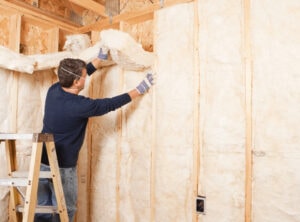
Fiberglass insulation is made from fine strands of glass woven into a blanket-like material. It comes in batts, rolls, or loose-fill forms and can be cut to fit standard wall cavities and attic spaces.

Pros:

  • Affordable
  • Widely available
  • Easy to install
  • Decent R-value (R-3 to R-3.8 per inch)

Cons:

  • Can absorb moisture if exposed to water or excess humidity
  • Settles over time, reducing effectiveness
  • Fibers can irritate skin and lungs during installation
  • Creates air gaps if not installed precisely

In older Ottawa homes with uneven wall cavities or attic drafts, fiberglass insulation provides a cost-effective solution when installed properly


2. Cellulose Insulation

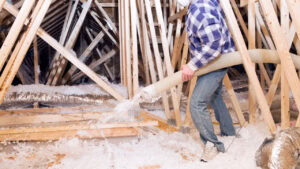
Cellulose insulation is made from recycled paper products treated with fire-retardant and pest-deterrent chemicals. It’s blown into walls and attics using specialized equipment.

Pros:

  • Environmentally friendly (made from recycled materials)
  • Excellent R-value (R-3.2 to R-3.8 per inch)
  • Superior coverage that fills irregular spaces completely
  • Better sound dampening than fiberglass

Cons:

  • Moisture sensitive and can develop mold if exposed to damp conditions
  • May settle and compact over time
  • Requires professional installation
  • Lower fire rating than mineral wool

Many Ottawa homeowners use cellulose to upgrade older attics, improving winter warmth without major renovations. It’s particularly effective in heritage homes where standard batts don’t fit properly.


3. Spray Foam Insulation

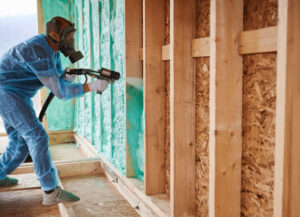
Spray foam insulation is created from liquid chemicals that expand and harden when applied. Available in open-cell and closed-cell varieties, it creates an airtight seal and bonds to surfaces, filling gaps and cavities completely.

Pros:

  • Highest R-value per inch (R-6 to R-7 for closed-cell)
  • Superior air sealing and thermal barrier
  • Moisture resistant, especially closed-cell
  • Doesn’t settle or degrade over time
  • Adds structural support to walls and roofs

Cons:

  • Most expensive insulation option
  • Requires professional installation
  • Off-gassing of volatile organic compounds during application
  • Difficult to remove once cured

Spray foam is ideal for modern Ottawa homes with complex rooflines or older homes with many gaps that need sealing. It excels in basements and crawl spaces where moisture control is critical.


4. Mineral Wool Insulation

Mineral wool (also called rock wool or slag wool) is made from natural minerals or industrial byproducts melted and spun into fibrous material. It comes in batts, rolls, or loose-fill forms.

Pros:

  • Excellent fire resistance (highest rating of common insulations)
  • Moisture resistant and doesn’t absorb water
  • Good sound-dampening properties
  • Competitive R-value (R-3.2 to R-4.2 per inch)
  • Pest-resistant

Cons:

  • Higher cost than fiberglass and cellulose
  • Heavier than other insulation types
  • Professional installation preferred for blown-in applications

Mineral wool is ideal for Ottawa basements where moisture is a concern, and for homeowners prioritizing durability and fire resistance.

Fibreglass insulation rolls in attic


How Insulation Works

Think of insulation as a thermal blanket for your home. It slows the transfer of heat, which means:
 
  • Warm air stays inside during Ottawa’s long, cold winters
  • Heat is blocked from entering during humid summer months
The key to effective insulation is twofold: choosing the right R-value for your space and ensuring proper installation. Even high-quality insulation won’t perform well if it’s installed incorrectly. Poor installation can create gaps, allow air leaks, trap moisture, and ultimately cost you more in energy bills.


DIY vs. Professional Installation

While DIY insulation may seem cost-saving, it often comes with risks:

  • Incorrect installation reduces efficiency. Even small gaps and improper placement can significantly reduce how well your insulation performs.
  • Some materials, like spray foam or fiberglass, are hazardous without proper protective equipment. Professional installers have the right gear and training to handle these safely.
  • Ottawa’s seasonal temperature changes can make DIY installations tricky. Spring thaw moisture, frost action, and temperature cycling require proper vapor barrier placement and ventilation knowledge.

Professional installation ensures your insulation performs as expected, keeps your family safe, and protects your home from potential moisture or structural issues.


Choosing the Right Insulation for Your Ottawa Home

When selecting insulation, consider:

  • Location in the home: Attic, walls, floors, basement
  • Climate: Ottawa winters require higher R-values
  • Budget: Balance upfront costs with long-term energy savings
  • Home type: Older brick homes vs. newer builds have different needs
  • Safety and expertise: Some materials require professional experience
 

FAQ: Ottawa Home Insulation Questions

Most insulation lasts 20–50 years if installed correctly. Moisture, pests, or settling can reduce lifespan.

Yes. Proper insulation can reduce heating and cooling costs by 10–50%, which is especially valuable given Ottawa’s cold winters and warm summers.

Spray foam provides a higher R-value and better air sealing, but fiberglass is more affordable and easier to replace. The best choice depends on your budget, location, and priorities.

It depends on the type and condition of existing insulation. A professional can assess your home and recommend the best solution.

DIY installation is possible for some materials, but professional installation is recommended for optimal safety and efficiency.

Signs of poor or failing insulation include high heating/cooling bills despite good HVAC equipment, temperature variations between rooms, drafts near windows and doors, moisture or condensation on windows, and ice damming on roof edges in winter. A professional inspection can help diagnose insulation problems.


Ready to Improve Your Home’s Insulation?

Proper insulation is one of the most effective ways for Ottawa homeowners to save on energy costs, maintain year-round comfort, and reduce outside noise. By understanding R-values, types of insulation, and local installation considerations, you can make informed decisions that protect your home and family year-round.

For Ottawa homeowners, Ottawa Insulations offers professional, efficient, and cost-effective insulation solutions. Request a free estimate today to keep your home warm this winter, cool this summer, and energy-efficient all year long.


Comparing Different Types of Insulation

ottawa home insulation

When it comes to insulation, one size does not fit all. Your choice of insulation material has a significant impact on energy efficiency, comfort level, and long-term maintenance costs. Whether you’re building new, renovating, or looking to improve your thermal performance, understanding the differences between insulation types is essential to making an informed decision.

In this post, we’ll compare four popular insulation materials: fibreglass, cellulose, spray foam, and mineral wool. We’ll examine the pros and cons of each, discuss their ideal applications, and help you understand which option might be best for your specific needs.

Fiberglass Insulation

Fiberglass insulation is made from fine strands of glass woven into a blanket-like material. It comes in batts or rolls and can be cut to fit standard wall cavities and attic spaces. It remains the go-to choice for homeowners and contractors due to its ease of installation and affordability.

Pros of Fiberglass Insulation:

  • Affordable: Fiberglass is one of the most budget-friendly insulation options available, making it accessible for homeowners with tight budgets.
  • Fire-Resistant: Fiberglass is treated with fire-retardant chemicals, providing an important safety layer in case of fire.
  • Easy Installation: Batts and rolls can be cut and fitted into standard spaces, making them suitable for DIY projects in some cases.
  • Widely Available: You’ll find fiberglass insulation at virtually every home improvement store.
  • Decent R-Value: Standard fiberglass batts provide R-3 to R-3.8 per inch, suitable for many applications.

Cons of Fiberglass Insulation:

  • Can Absorb Moisture: If exposed to water or excess humidity, fiberglass can absorb moisture and lose effectiveness, leading to mold growth.
  • Settling Over Time: Gravity causes fiberglass to settle, reducing its insulation value, especially if not installed correctly.
  • Requires Protective Equipment: Fiberglass fibers can irritate skin and lungs, so gloves and long sleeves are necessary during handling.
  • Air Gaps: If not installed precisely, it leaves air gaps that reduce overall efficiency.

Best Use Case: Fiberglass works well for standard attic insulation, wall cavities, and basement rim joists where moisture exposure is minimal and professional installation can ensure proper fit.


Fibreglass insulation rolls in attic


Cellulose Insulation:

Cellulose insulation is made from recycled paper products, primarily newsprint and cardboard. It’s treated with fire-retardant and pest-deterrent chemicals, then blown into walls and attics using specialized equipment. Its eco-friendly composition and excellent coverage make it a popular choice for retrofitting and energy-conscious homeowners.

Pros of Cellulose Insulation:

  • Environmentally Friendly: Made from recycled materials, cellulose reduces waste and supports sustainability.
  • Excellent R-Value: Cellulose provides R-3.2 to R-3.8 per inch, comparable to fibreglass but with better air sealing.
  • Superior Coverage: Blown-in cellulose fills irregular spaces and cavities completely, eliminating gaps.
  • Sound Dampening: Cellulose absorbs sound better than fiberglass, improving acoustic comfort.
  • Affordable: Generally less expensive than spray foam, though slightly more than fiberglass.

Cons of Cellulose Insulation:

  • Moisture Sensitive: Cellulose absorbs moisture readily and can develop mold if exposed to damp conditions.
  • Lower Fire Rating: Although treated with fire retardants, cellulose is more flammable than mineral wool or spray foam.
  • Can Settle: Over time, cellulose may compact and settle, reducing effectiveness.
  • Requires Professional Installation: Blown-in cellulose requires specialized equipment and trained technicians.
  • Pest Concerns: While treated with pest deterrents, some homeowners worry about rodent attraction to paper-based materials.

Best Use Case: Cellulose is ideal for retrofitting existing homes, attics, and wall cavities where air sealing and acoustic improvement are desired. It works best in dry climates or areas with good moisture control.


eco-friendly cellulose insulation in hands


Spray Foam Insulation

Spray foam insulation is created from liquid chemicals that expand and harden when applied. It creates an airtight seal and bonds to surfaces, filling gaps and cavities completely. Available in open-cell and closed-cell varieties, spray foam offers the highest R-value per inch of any common insulation material.

Pros of Spray Foam Insulation:

  • Highest R-Value: Closed-cell spray foam provides R-6 to R-7 per inch, significantly outperforming other materials.
  • Superior Air Sealing: Expands to fill every gap and crack, creating an exceptional thermal and air barrier.
  • Moisture Resistant: Closed-cell foam resists moisture, making it ideal for basements, crawl spaces, and high-moisture areas.
  • Long-Lasting: Spray foam doesn’t settle or degrade over time when properly installed.
    Structural Support: Adds rigidity to walls and roofs, contributing to building integrity.

Cons of Spray Foam Insulation:

  • Higher Cost: Spray foam is the most expensive insulation option, sometimes 2-3 times the cost of fibreglass.
  • Requires Professional Installation: Application demands specialized equipment and trained technicians; DIY is not recommended.
  • VOCs During Application: Off-gassing of volatile organic compounds during and shortly after installation can be a concern.
  • Difficult to Remove: Once cured, spray foam cannot be easily removed if changes are needed.

Best Use Case: Spray foam excels in new construction, basement finishing, crawl spaces, and any project where maximum insulation and air sealing are priorities. It’s especially valuable in tight or irregular spaces.


Worker installing spray foam insulation

Mineral Wool Insulation

Mineral wool (also called rock wool or slag wool) is made from natural minerals or industrial byproducts that are melted and spun into fibrous material. It comes in batts, rolls, or loose-fill forms and is increasingly popular for its fire resistance and durability.

Pros of Mineral Wool Insulation:

  • Excellent Fire Resistance: Mineral wool has a higher fire rating than all other common insulations, making it ideal for fire-rated applications.
  • Moisture Resistant: Doesn’t absorb water, making it suitable for basements and damp areas.
  • Sound Dampening: Excellent acoustic properties reduce noise transmission.
  • Good R-Value: Provides R-3.2 to R-4.2 per inch, competitive with cellulose and fiberglass.
  • Pest Resistant: Not attractive to rodents or insects.

Cons of Mineral Wool Insulation:

  • Higher Cost: More expensive than fiberglass and cellulose, though less than spray foam.
  • Professional Installation Preferred: While possible as a DIY project, blown-in mineral wool usually requires professionals.
  • Heavy: Heavier than other insulation types, which can be a consideration during installation.

Best Use Case: Mineral wool is ideal for basements, commercial applications, areas requiring fire ratings, and projects where sound control is important. It’s also excellent for homeowners prioritizing durability and pest resistance.

Frequently Asked Questions: Insulation Types

What is R-value and why does it matter?

R-value measures insulation’s thermal resistance (how well it prevents heat transfer). The higher the R-value per inch, the better the insulation performs. Different materials have different R-values, so comparing them helps determine which provides the best efficiency for your needs. Climate and the area being insulated (attic, walls, basement) determine how much R-value you need.

Can I mix different types of insulation in my home?

Yes, you can use different insulation types in different areas. Many homes combine fiberglass in walls with spray foam in basements or cellulose in attics. The key is choosing the right type for each specific application. A professional can recommend the best combination for your home’s needs and budget.

How long does insulation last?

Most insulation lasts 80+ years if properly installed and maintained. Fiberglass may settle over time and lose some effectiveness, while spray foam and mineral wool tend to maintain performance longer. Moisture damage, pest intrusion, or improper installation can reduce lifespan. Regular inspection helps catch issues early.

Is one insulation type better for cold climates like Ottawa’s?

In cold climates with freeze-thaw cycles, moisture resistance becomes critical. Spray foam and mineral wool handle moisture better than fiberglass or cellulose. However, proper installation with vapor barriers is equally important regardless of the material chosen. Climate should be one factor in your decision, but not the only one.

Can I install insulation myself, or do I need a professional?

Fiberglass batts are the most DIY-friendly option. Cellulose, spray foam, and mineral wool blown-in installations require specialized equipment and training – professional installation is recommended. Even with DIY-friendly materials, improper installation significantly reduces effectiveness. When in doubt, hire a professional to ensure optimal performance.

Which insulation type is most eco-friendly?

Cellulose is made from recycled paper, making it the most environmentally friendly option. Mineral wool uses natural or recycled materials. Fiberglass and spray foam have larger environmental footprints but can offset this through superior energy savings over their lifespan. Your choice should balance environmental impact with performance and durability.

What’s the best insulation for a basement or crawl space?

Spray foam and mineral wool are best for basements and crawl spaces because they resist moisture effectively. Fiberglass absorbs moisture and can develop mold in damp areas. Cellulose is not recommended for below-grade spaces. Moisture control is essential in these areas, making closed-cell spray foam or mineral wool the top choices.

Talk to an Insulation Professional Today

There is no single “best” insulation type for every situation. The right choice depends on your budget, the area you’re insulating, your climate, and your specific goals. What works perfectly for an attic renovation might not be ideal for a basement or crawl space.

This is why a professional assessment is invaluable. An experienced insulation contractor can evaluate your home’s current insulation, identify problem areas, discuss your goals and budget, and recommend the best solution for your specific needs.

At Ottawa Insulations, we specialize in all four insulation types and have the expertise to help you make the best choice for your project. Whether you’re looking to improve energy efficiency, upgrade comfort, or address moisture issues, we can assess your home and provide a customized recommendation. Contact us today for a free estimate and to help you choose the right insulation.


Insulation Contractors Near Me: Professional Advice for Ottawa Homeowners

insulation companies near me

There’s nothing more frustrating than a home that’s too cold in the winter or unbearably hot in the summer. Many homeowners assume the problem is with their heating and cooling systems, leading them to spend thousands on unnecessary repairs and replacements. The real culprit just may be inadequate insulation. 

Proper insulation is one of the most cost-effective investments you can make in your home. It keeps conditioned air inside where it belongs, reduces your energy bills, enhances comfort, and can even boost your property value. The key is working with professional insulation contractors who know how to assess your home properly, select the right materials, and install them correctly. 


What Do Insulation Contractors Do?

Insulation contractors are skilled professionals who specialize in assessing, installing, and maintaining thermal insulation systems for residential, commercial, and industrial properties. They work alongside HVAC specialists, builders, and property owners to create energy-efficient buildings that maintain consistent temperatures year-round.

Beyond installation, insulation contractors:

  • Conduct thorough home energy audits to identify problem areas and heat loss
  • Recommend appropriate insulation types based on your climate, home structure, and budget
  • Handle specialized materials including spray foam, fibreglass batts, cellulose, and mineral wool
  • Seal air leaks and gaps that would otherwise undermine insulation effectiveness
  • Install insulation in attics, crawl spaces, basement walls, pipes, and HVAC ducts
  • Ensure proper ventilation and moisture management to prevent mold and structural damage
Professional contractors understand building codes, safety regulations, and industry best practices. This knowledge ensures your insulation project meets local requirements and delivers the promised energy savings.


Common Problems Solved by Professional Insulation Contractors

Ottawa homeowners often reach out to insulation contractors for one or more of these common issues:


Inconsistent Room Temperatures & Drafts

Does your bedroom feel like an icebox while the living room is stuffy and hot? This temperature inconsistency signals inadequate or unevenly distributed insulation. Professional contractors can assess where insulation is missing or insufficient and bring balance back to your home.
 

Unexpectedly High Energy Bills

Poorly insulated homes force HVAC systems to work overtime, driving up utility costs significantly. A professional insulation upgrade can reduce heating and cooling expenses by 15-20% or more, depending on your current insulation levels.
 

Moisture, Condensation & Humidity Problems

Excessive moisture can lead to mold growth, wood rot, and structural damage. Proper insulation with vapour barriers and ventilation management keeps moisture in check and protects your home’s integrity.
 

Ice Dams & Frozen Pipes

When warm air escapes through an inadequately insulated attic, it melts snow on the roof, which then refreezes at the edges, forming ice dams. Poor insulation in crawl spaces can also cause pipes to freeze. Professional insulation installation prevents both problems.
 

Pest & Pest Entry Prevention

Gaps in insulation and exterior sealing create entry points for rodents and insects. Contractors seal these gaps as part of the installation process, making your home less attractive to unwanted visitors.


Why Hire Professional Insulation Contractors?

While DIY insulation installation might seem like a way to save money, professional contractors deliver significant advantages:

Proper Installation Ensures Performance

Insulation R-values (thermal resistance) are only achieved with correct installation. Gaps, compression, and improper placement all reduce effectiveness. Professionals guarantee the insulation performs as rated.

Safety & Building Code Compliance

Installing insulation involves working at heights, handling potentially hazardous materials, and ensuring compliance with local building codes. Contractors carry insurance, follow safety protocols, and understand regulations—protecting both you and your home.

Expertise with Hazardous Materials

Older homes may contain asbestos insulation, which poses serious health risks if disturbed. Only trained professionals should handle asbestos removal and disposal.

Specialized Equipment & Tools

Blown-in insulation, spray foam, and other advanced installation methods require specialized equipment that most homeowners don’t own. Contractors have the right tools for the job.

Warranties & Guarantees

Reputable contractors stand behind their work with warranties on both materials and labour. This gives you peace of mind and protection if issues arise.


Insulation contractor installing home insulation


Types of Insulation & When to Use Them

Different situations call for different insulation types. Professional contractors assess your needs and recommend the best option:
 

Fibreglass Batts & Rolls

The most common insulation type, offering good thermal resistance at a budget-friendly price. Ideal for standard wall cavities and attic spaces in new construction or renovation projects.
 

Cellulose Blown-In Insulation

Made from recycled paper, this eco-friendly option fills cavities and irregular spaces effectively. It offers excellent thermal performance and sound dampening, making it ideal for attics and existing walls.
 

Spray Foam Insulation

This premium option expands to fill cavities completely, sealing air leaks while providing insulation. Spray foam insulation offers the highest R-value per inch and works well for basement walls, crawl spaces, and complex areas.
 

Mineral Wool (Rock & Slag Wool)

Fire-resistant and moisture-resistant, mineral wool provides excellent thermal performance plus sound dampening. It’s ideal for basements, commercial applications, and areas requiring fire protection.


How to Find & Choose Insulation Contractors Near You

Not all contractors are created equal. When hiring an insulation contractor, vet them thoroughly by asking the right questions.

What Options Do You Offer for Insulation Materials?

A good contractor should explain all available options and recommend the best solution for your specific needs, climate, and budget. Be wary if they only push one type of insulation.

Do They Have a License to Work in Your Province?

Verify they hold valid Ontario licenses to operate in your area. A professional contractor should easily provide proof of current licensing.

What’s Their Warranty Policy?

Ask about coverage for both materials and labour, how long warranties last, and what happens if issues arise after installation. Reputable contractors stand behind their work.

How Familiar Are They With Federal and Provincial Building Codes?

Contractors must understand Ontario Building Code requirements and federal regulations. They should explain how their installation meets these standards, including fire ratings, R-values, and ventilation requirements.

Check Their Customer Reviews and References

Read verified reviews on Google, Yelp, and the Better Business Bureau. Ask for references from recent projects and contact them directly. Previous customer experiences are invaluable for assessing the right fit.


Frequently Asked Questions: Insulation Contractors

Installation time depends on the project scope, insulation type, and your home’s size. A typical attic insulation project takes 1-3 days, while larger whole-home projects may take longer. Your contractor will provide a timeline during the consultation.

Most installations are minimally disruptive. Contractors will cover furniture and use drop cloths to protect your space. Depending on the project, you may experience some noise and dust, but professional contractors take steps to minimize mess.

You should notice lower energy bills within the first billing cycle after installation. Savings typically range from 15-20% on heating and cooling costs, though results vary based on your previous insulation levels and climate.

Proper insulation installation should not negatively affect ventilation. Professional contractors ensure adequate airflow and moisture management to prevent mold and maintain indoor air quality.

Clear the work areas of personal items and ensure contractors have easy access. Ask your contractor for specific preparation instructions, as requirements vary depending on whether you’re insulating an attic, basement, or walls.

Finding Insulation Professionals Near You

Investing in professional insulation installation is one of the smartest decisions you can make as a homeowner. Proper insulation reduces energy costs, improves comfort, protects your home from moisture and pests, and increases property value. The key is choosing qualified, experienced contractors who use quality materials and stand behind their work.
 
If you’re searching for ‘insulation contractors near me’ in Ottawa, look no further than Ottawa Insulations. We’re a trusted local team with over 25 years of experience installing insulation for residential and commercial properties throughout the Ottawa area. Our professionals are certified, fully insured, and committed to delivering exceptional results on every project. Contact us today for a free estimate!

Attic Insulation Guide for Ottawa Homeowners

attic insulation ottawa
Your attic plays a critical role in your home’s comfort and energy efficiency, particularly in Ottawa’s seasonal climate with cold winters and warm summers. Heat naturally rises, and without proper insulation, a significant portion of your home’s energy escapes through the attic. This can lead to higher heating bills, uncomfortable indoor temperatures, and potential moisture issues such as ice dams and mold. Proper attic insulation helps keep your home warmer in winter, cooler in summer, reduces energy costs, and protects your home’s structure and indoor air quality.

What is Attic Insulation?

Attic insulation is material installed between the attic floor and the living space below. Its primary purpose is to slow the transfer of heat between the attic and your home. In winter, insulation helps retain warm air inside; in summer, it helps block heat from entering the living space.In addition to temperature control, insulation protects your home from moisture-related issues. Air leaks can carry water vapor into the attic, where it can condense and cause frost, mold, or wood rot. Air sealing prior to installation ensures insulation performs effectively and prevents structural or indoor air quality problems.

Types of Attic Insulation

Choosing the right insulation depends on your budget, attic layout, and performance requirements. The most common types in Ottawa homes are fiberglass, cellulose, and spray foam.

Fiberglass Insulation

Fiberglass is affordable and widely available, coming in two primary forms:
  • Loose-fill: Blown into the attic using specialized equipment, loose-fill fiberglass fills gaps and irregular spaces effectively.
  • Batts or Rolls: Sheets of compressed fiberglass placed between joists. While easier for DIY installation, batts may leave small gaps if not fitted carefully.
Fiberglass provides moderate thermal resistance and works well for most standard attic spaces.

Cellulose Insulation

Cellulose insulation is made from recycled paper products and treated to resist fire, mold, and pests. Installed as loose-fill, it fills irregular spaces completely and provides slightly higher thermal resistance than loose-fill fiberglass. It’s an environmentally friendly option suitable for Ottawa homes.

Spray Foam Insulation

Spray foam insulation provides the highest R-value per inch and seals air gaps. Closed-cell spray foam has an R-value of about R‑6 per inch, ideal for areas where air sealing and moisture control are critical. While more expensive upfront, spray foam offers superior insulation performance, air sealing, and long-term durability.

Recommended R-Values for Ottawa Attics

R-value measures insulation’s resistance to heat flow. For Ottawa attics, the recommended R-value ranges between R‑50 and R‑60. New construction generally requires R‑60, while older homes should aim for at least R‑50 to achieve effective energy efficiency. Meeting these R-values helps retain heat in winter, block unwanted heat in summer, and reduce energy consumption

How to Know If You Need More InsulationAttic insulation installation showing fiberglass batts

Identifying whether your attic needs additional insulation is straightforward. Look for these signs:
  • High heating or cooling bills compared with similar homes.
  • Uneven temperatures or drafts in different rooms.
  • Ice dams forming on the roof during winter.
  • Insulation that is compressed, wet, moldy, or less than 10 inches thick.
  • Homes built before 2000 that may have minimal attic insulation.
A professional energy audit provides an accurate assessment of your insulation levels, air leakage, and the areas where upgrades will deliver the best energy savings.

Benefits of Upgrading Your Attic Insulation

Lower Energy Costs

Proper insulation reduces heat loss in winter and heat gain in summer. Well-installed insulation and air sealing can significantly lower energy bills.

Improved Comfort

Insulation stabilizes indoor temperatures, eliminates drafts, and ensures a comfortable living environment year-round.

Moisture Protection

Sealing and insulating the attic prevents condensation and mold growth, safeguarding your home’s structure and indoor air quality.

Noise Reduction

Insulation helps block outside noise and reduces sound transmission between floors.

Rebate Opportunities

Ottawa homeowners may qualify for provincial or utility rebates for insulation and energy-efficient upgrades. Programs vary depending on location, utility provider, and type of work, so it’s worth checking local resources before beginning a project.

DIY vs Professional Installation

DIY installation is possible for loose-fill fiberglass or cellulose, but improper installation can reduce effectiveness and create moisture issues.Professional installation in Ottawa ensures:
  • Correct insulation depth and full coverage.
  • Proper air sealing around vents, chimneys, and rim joists.
  • Compliance with Ontario building codes.
  • Eligibility for energy-efficiency rebates.
  • Proper attic ventilation to prevent long-term moisture problems.

Frequently Asked Questions: Attic Insulation

Attics should generally aim for R‑50 to R‑60, depending on the home’s age, design, and roof. A professional energy audit can provide exact recommendations.

Fiberglass is cost-effective and comes as loose-fill or batts. Cellulose is eco-friendly, fills gaps well, and has slightly higher thermal resistance. Spray foam has the highest R-value per inch, seals air gaps, and offers superior moisture protection, but costs more upfront.

Yes. Proper insulation and air sealing can reduce heating costs by 20–30 percent, with the biggest savings in older, under-insulated homes.

DIY installation is possible for some materials, but improper coverage, air sealing, and ventilation can reduce effectiveness. Professionals ensure optimal installation and long-term performance.

Removal is recommended if insulation is damaged, wet, or moldy. Installing new insulation on degraded material can reduce efficiency and create moisture problems.

Fiberglass, cellulose, and spray foam typically last 50+ years if dry and undisturbed. Proper ventilation and roof maintenance help preserve performance.

Yes. Air sealing gaps around vents, chimneys, and rim joists maximizes energy efficiency and prevents moisture issues.

Yes. Adequate ventilation prevents condensation, frost, and mold, even with high-R-value insulation. Maintain soffit, ridge, and gable vents.

Yes. Provincial and local energy-efficiency programs may provide rebates for insulation, air sealing, and related upgrades. Check eligibility with local programs or utility providers.

Proper insulation combined with ventilation reduces heat loss through the roof, minimizing ice dam formation during Ottawa winters.

Protect Your Home and Save Energy with Proper Attic Insulation

Investing in attic insulation is one of the most effective ways to improve comfort, reduce energy costs, and protect your Ottawa home from winter and summer temperature extremes. By choosing the right insulation type, ensuring proper installation, and addressing air sealing and ventilation, you can maximize energy efficiency, reduce noise, and prevent moisture problems.Upgrading your attic insulation today not only saves you money on heating and cooling bills but also enhances the long-term value and durability of your home.Contact us today to schedule your free attic assessment and discover how much you could save with improved insulation.

What Does Spray Foam Insulation Cost? A Practical Guide for Ottawa Homeowners

spray foam insulation ottawa
If you’re thinking about spray foam insulation for your Ottawa home, you’re probably wondering about cost. In Ontario, spray foam generally ranges from $0.44 to $8 per square foot. Why such a wide range? It comes down to a few key factors.First, the type of foam you choose. Open-cell foam is the more budget-friendly option, typically $0.44 to $3 per square foot, while closed-cell foam is more expensive, running $1.55 to $8 per square foot. Beyond the type of foam, other factors like your home’s location, how easy it is to access the spaces, and the overall complexity of the project can all affect the total cost.In this guide, we’ll break down the factors that drive pricing, give you realistic expectations, and help you figure out whether spray foam is the right investment for your home.

What is Spray Foam Insulation?

Spray foam insulation is a polyurethane-based material that is applied as a liquid and expands into a solid foam. It forms a seamless, airtight barrier that fills cracks and gaps in walls, floors, and ceilings. Unlike traditional insulation such as fiberglass or cellulose, spray foam provides a continuous layer that helps control air movement and maintain consistent comfort in Ottawa’s hot summers and cold winters.For homeowners who are new to spray foam, understanding the different types is an important step in determining which option is best suited for your home.

Open-Cell vs Closed-Cell: Which Spray Foam Is Right for You?

Not all spray foam insulation is the same. There are two primary types, each with different characteristics, performance levels, and price points. Understanding the differences between open-cell and closed-cell spray foam will help you choose the option that best suits your home and budget.

Open-Cell Spray FoamInterior wall framing showing wooden studs with spray foam insulation

Open-cell spray foam has a softer, less dense structure and is generally the more affordable option. It is best suited for interior walls and attic spaces where moisture control is not a primary concern. Open-cell foam provides a moderate R-value of approximately R-3.5 to R-3.8 per inch and allows some moisture vapor transmission, which can be beneficial in certain applications.
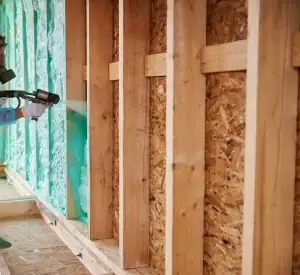
Closed-Cell Spray Foam

Closed-cell spray foam is denser and more rigid, offering a higher R-value per inch, typically R-6 to R-6.5. It provides excellent moisture resistance and structural rigidity, making it ideal for basements, crawlspaces, attics, and exterior walls that are exposed to outdoor moisture. Closed-cell foam also delivers superior air sealing and a strong moisture barrier, making it a premium option for homes where energy efficiency and long-term protection are priorities.Choosing the right type of spray foam comes down to the location of the installation, the level of moisture control needed, and your budget. In many cases, a professional assessment can help determine which option will provide the best combination of performance and value for your home.

Factors Affecting Spray Foam Installation Cost in Ottawa

Knowing what drives spray foam insulation costs can help you plan your budget and make smart decisions for your home. Several key factors influence the overall cost, including the size of the space, type of foam, R-value requirements, accessibility, and prep work. Here’s a closer look at each one.

Size of Space

The total square footage is the biggest driver of cost. The larger the area you need to insulate, the more material and labour you’ll need. For example, a small attic project of 500 square feet will cost significantly less than a full-home application. Most insulation contractors will conduct a site visit to measure the space before providing an estimate.

Type of Spray Foam

As we mentioned earlier, the type of foam used also affects the overall cost. Open-cell is generally the more affordable option, while closed-cell comes at a higher price due to its density, insulation performance, and moisture resistance.Many homeowners choose a hybrid approach, using open-cell in interior areas and closed-cell in spaces where moisture control or added rigidity is important.

R-Value Requirements

R-value measures how well insulation resists heat flow. In Ottawa, recommended R-values vary depending on the application: attics typically require R-50 to R-60, exterior walls R-20 to R-25, and basements or crawl spaces R-15 to R-30. Higher R-values require thicker foam layers, which increases both material and labour costs.Local building codes, your current insulation levels, and an energy audit can all help determine the optimal R-value for your home.

Accessibility and Prep Work

Hard-to-reach areas like crawl spaces, tight attic corners, or narrow wall cavities can take longer to insulate, which adds to labour costs. If your existing insulation is old, wet, or moldy, it should be removed first. While removal adds upfront cost, it ensures the new insulation sticks properly and performs as it should.

Other Factors That Can Affect Cost

  • Climate and seasonal factors: Spray foam installation is sensitive to temperature and humidity, so some contractors may adjust pricing depending on the time of year.
  • Complexity of the project: Oddly shaped spaces, multiple stories, or intricate framing can add to labor costs.
  • Local regulations and permits: Some projects may require inspections or compliance with specific building codes, which can affect cost.
Understanding these factors gives you a clearer idea of what to expect and helps you make decisions that balance performance and cost.

Where Spray Foam Insulation Is Best Used

Spray foam insulation performs especially well in areas that benefit from strong air sealing and moisture control. This is particularly useful in a climate like Ottawa’s, where homes experience cold winters, humid summers, and frequent temperature swings.

Attics and Crawl Spaces

Attics and crawl spaces often have irregular framing, small gaps, and hard-to-reach corners. Spray foam expands to fill these areas completely, reducing heat loss in winter and helping keep the home cooler in the summer. These spaces typically see some of the biggest efficiency improvements after spray foam is installed.

Basements and Below-Grade Spaces

Basements are prone to moisture issues due to humidity, concrete foundation walls, and changes in outdoor temperature. Closed-cell spray foam serves as both insulation and a vapor barrier, helping reduce condensation and limiting the risk of mold.

Rim Joists and Band Boards

Rim joists are a common source of drafts, especially in older homes. Spray foam seals these gaps effectively, improving comfort on the main floor and reducing unwanted air movement.

Exterior Walls in New Construction

In new builds, spray foam applied to exterior walls creates a continuous insulation layer that provides better air sealing than traditional batt insulation. This helps homes meet modern energy-efficiency standards and reduces long-term heating and cooling costs.

Around Pipes and Ducts

Heat loss around ducts and plumbing chases is a common issue. Applying spray foam in these areas improves insulation, reduces energy waste, and helps maintain more consistent temperatures throughout the home. 

FAQ: Spray Foam Insulation Cost

Spray foam in Ontario generally ranges from $0.44 to $8 per square foot, depending on whether you choose open-cell or closed-cell foam, the required thickness, and the complexity of the project. A contractor will need to see the space before providing an accurate estimate.

Spaces with air leakage, irregular framing, or moisture concerns see the biggest improvement. This includes attics, crawl spaces, basements, rim joists, and exterior walls in new construction.

Spray foam provides superior air sealing, higher long-term energy savings, and better moisture control compared to traditional insulation. While it costs more upfront, many homeowners find the efficiency gains worth the investment.

Yes. Because spray foam reduces both heat loss and air leakage, most homeowners experience noticeable reductions in heating and cooling costs, especially in older homes with gaps or outdated insulation.

Sometimes. If your existing insulation is wet, moldy, degraded, or interfering with access, removal is recommended. Your installer will assess this during the site visit.

Most residential projects take one to three days, depending on the size of the area and the level of prep work required.

Yes. After the foam cures, typically within 24 hours, the material is inert and safe for occupants. Installers use proper ventilation and protective equipment during application.

Closed-cell spray foam provides an effective moisture barrier and helps prevent condensation, which reduces the risk of mold growth. It is especially beneficial in basements and below-grade areas.

Spray foam typically lasts 50 years or more without needing replacement, making it one of the most durable insulation options.

Upgrade Your Ottawa Home with Spray Foam Insulation

Spray foam insulation is a smart investment for homeowners in Ottawa who want to stay comfortable year-round, reduce energy bills, and protect their home against drafts and moisture. With cold winters, humid summers, and frequent temperature swings, choosing the right insulation can make a noticeable difference in comfort and efficiency.

By understanding the different types of spray foam, the factors that influence cost, and where it performs best, you can make an informed decision about what your Ottawa home truly needs.

Ready to see how much you can save? Contact us today for a free estimate and take the first step toward a more comfortable, energy-efficient Ottawa home.

Understanding R-Value: A Guide to Choosing the Right Insulation

attic insulation ottawa

When it comes to insulation, one of the most important factors to consider is R-Value. This rating measures how well your insulation resists heat flow. It directly impacts both your energy bills and the comfort of your home.

In Ottawa’s climate, where winters are long and summers can be warm, choosing the right R-Value can make a measurable difference in how much you spend to heat your home. The ideal R-Value depends on where you live, which part of your home you’re insulating, and the age of your home.

In this post, we’ll walk you through what R-Value means, how to interpret it when comparing options, and the recommended levels for different parts of your home.

What Is an R-Value?

R-Value, short for resistance value, measures how effectively insulation slows the transfer of heat. The higher the R-Value, the better the insulation performs.

The key things to understand about R-Value are:

  • R-Values from multiple layers can be added together to calculate total thermal resistance.
  • Different insulation materials provide different R-Values per inch.
  • Proper installation is critical; compressed or uneven insulation will reduce R-Value performance.

In simple terms, a higher R-Value means less heat escapes in the winter and less heat enters in the summer, keeping your home comfortable while reducing your energy bills.

What R-Value Do I Need?

The ideal R-Value depends on where the insulation is installed and your climate zone. In Ottawa and other cold regions, higher R-Values are recommended to maximize energy efficiency and comfort year-round.

Recommended R-Values by Area:

  • Attics: R-49 to R-60
    Attics require the highest R-Values because warm air rises and can escape through the roof. Proper attic insulation is critical for year-round comfort.
  • Exterior walls: R-13 to R-23
    Walls typically need moderate insulation to reduce heat loss while maintaining cost efficiency.
  • Basements and crawl spaces: R-10 to R-20
    Lower R-Values are often sufficient here, though insulating these areas can prevent cold floors and moisture issues.
Note: While higher R-Values provide better thermal protection, the quality of installation and proper ventilation are just as important as insulation thickness.
Worker installing stone wool insulation

R-Value by Climate Zone

Your location is one of the most important factors in determining the R-Value you need. Colder climates require higher insulation levels to prevent heat loss, while milder climates can be energy efficient with lower R-Values.

Typical R-Values by Climate:

  • Cold climates: Attic R-49 to R-60, Exterior walls R-19 to R-24
  • Moderate climates: Attic R-38 to R-49, Exterior walls R-13 to R-19
  • Warm climates: Attic R-30 to R-38, Exterior walls R-13 to R-15

R-Values in Ontario

Canada does not have a single universal R-Value standard. Instead, provincial building codes set minimum requirements based on climate conditions. Ontario’s climate varies significantly, from milder southern regions to much colder northern areas, which affects insulation needs.The Ontario Building Code (OBC) sets these minimums:
  • Southern Ontario (Ottawa, Toronto, London): Attic R-60, Exterior walls R-22
  • Northern Ontario (Sudbury, Thunder Bay, Timmins): Attic R-60+, Exterior walls R-22 to R-24
  • Basements and crawl spaces: R-20 for below-grade walls across Ontario
Always confirm with local building codes or a certified insulation contractor to ensure your home meets the required R-Values for your region.

R-Value and Insulation Thickness

The R-Value you achieve depends on both the type and depth of insulation you install. Different materials provide different thermal resistance per inch, so you’ll need varying thicknesses to reach your target R-Value.

For example, to achieve an R-Value of R-60 in your attic, you might need 18-20 inches of fiberglass insulation, but only 15-16 inches of cellulose, or just 10 inches of spray foam. Understanding these differences helps you select the right insulation material for your home.

Insulation Type Comparison:

Insulation Type
R-Value per Inch
Cost Level
Typical Use
Fiberglass Batts
R-3.2
$
Walls, Attics
Blown-In Cellulose
R-3.8
$$
Attics, Retrofits
Spray Foam (Closed-Cell)
R-6.0
$$$
Walls, Basements
Mineral Wool
R-4.0
$$
Walls, Ceilings


When choosing insulation, remember that a higher R-Value per inch means thinner installation, but not necessarily lower cost. Consider your budget, application, and environmental priorities alongside the R-Value needed for your climate zone.

Frequently Asked Questions About R-Value

A good R-Value for an attic depends on your climate zone. In Ontario’s cold winters, an attic R-Value between R-50 and R-60 is recommended. This level of insulation prevents heat loss, improves comfort, and helps reduce heating costs throughout the year.

Across Canada, attic insulation recommendations generally range from R-40 to R-60. Colder regions such as Ontario, Manitoba, and Alberta benefit from R-60 for maximum efficiency, while milder coastal areas can meet performance targets with R-40 to R-50.

The Ontario Building Code (OBC) requires a minimum attic insulation value of R-60 for new construction. This aligns with Ontario’s focus on energy efficiency and climate resilience. Homeowners upgrading older houses are encouraged to increase attic insulation to meet or exceed this standard.

Not usually. But beyond a certain point, the cost of adding insulation outweighs the energy savings. In most Ontario homes, R-60 is the practical upper limit for attics. Going higher provides minimal added efficiency unless you’re building to ultra-high-performance or passive-house standards.

Yes. In Ottawa and other cold regions of Ontario, R-60 offers excellent long-term value. It reduces heat loss, lowers energy bills, and increases comfort during both winter and summer. It can also make your home more attractive to buyers who value energy efficiency.

If your insulation is below recommended R-Values, your home will lose heat faster in winter and gain heat faster in summer, leading to uneven temperatures and higher energy bills. Upgrading to at least R-50 (or ideally R-60) improves comfort and efficiency.

Only if it’s properly installed. Even high R-Values can underperform if insulation is compressed, uneven, or if air leaks are left unsealed. Combining the right R-Value with professional installation ensures the best real-world results.

Get Expert Guidance on Insulation and R-Value in Ottawa

Every home’s insulation needs are unique. For the best results, work with a qualified insulation contractor in Ottawa who can assess your home, identify energy-loss areas, and recommend the right R-Value for each space.

Ottawa Insulation provides expert guidance and professional installation to improve comfort, reduce energy costs, and ensure your home meets local building standards. Contact us today for a free consultation and expert recommendations tailored to your home.

What is Cellulose Insulation? How It Works, R-Value, Benefits & Installation

cellulose insulation ottawa

Keeping your home comfortable and energy-efficient year-round starts with good insulation. For many Ottawa homeowners, cellulose insulation is a popular choice. Made from recycled paper and plant fibres, it’s a sustainable and affordable way to improve the thermal performance of your home. It helps keep you warm in the winter and cool in the summer while reducing your environmental impact.

If you’re thinking about upgrading your insulation, cellulose is definitely worth considering. In this post, we’ll explore how it works, the key benefits, and when it’s the right choice for your home.

What is Cellulose Insulation?

Cellulose insulation is made from recycled paper products, primarily newspapers. It typically contains 75 to 85 percent recycled content, making it one of the most environmentally friendly insulation options on the market.

The remaining 15 to 25 percent consists of non-toxic fire retardant treatments and other additives that help protect against fire, mold, and pests.

Most commonly used in walls and attics, cellulose insulation forms a protective barrier that helps regulate your home’s indoor temperature.

How Cellulose Insulation Works

By trapping air within its dense fibre structure, cellulose insulation slows the transfer of heat in your home. During installation, the fibres interlock and compress, creating a thermal barrier by filling small gaps around wiring, pipes, and irregular framing that other insulation types may miss. This complete coverage means better temperature control year-round.

Installation Methods

Cellulose insulation can be installed in several ways, depending on your home and application:

  • Blown-In Attic Insulation: Specialized equipment blows cellulose into open attic spaces, creating a uniform layer that covers joists and fills around obstructions.

  • Dense-Pack Wall Insulation: Ideal for existing homes, blown-in cellulose is densely packed into wall cavities without removing drywall.

  • Wet-Spray Application: Used in new construction, water is added during installation so the cellulose adheres to wall cavities before drywall is installed.

The right method depends on your home’s structure and whether you’re upgrading an existing home or building new. A professional installer can recommend the best approach for your situation.

eco-friendly cellulose insulation in hands

Benefits of Cellulose Insulation

Cellulose insulation offers several key benefits that make it a smart choice for Ottawa homeowners.

Superior Energy Efficiency

Cellulose fills gaps and hard-to-reach areas where other insulation types might leave air pockets, preventing drafts and reducing heat loss in winter and heat gain in summer. The result is a consistently comfortable home and noticeably lower heating and cooling costs year-round.

Environmentally Friendly

Made from up to 85 percent recycled paper, cellulose insulation is one of the most sustainable insulation materials available. It keeps waste out of landfills and requires less energy to manufacture than fibreglass or foam products.

Fire, Mold, and Pest Resistance

Cellulose insulation is treated with non-toxic fire retardants that also protect against mold, insects, and rodents. These additives ensure the insulation remains safe, durable, and effective throughout its lifespan.

Excellent Soundproofing

The dense makeup of cellulose insulation absorbs sound effectively, minimizing noise transfer between rooms and from outside. This makes it an excellent option for bedrooms, home offices, and multi-unit buildings.

Understanding Cellulose R-Value

R-value measures how well insulation resists heat flow; the higher the number, the better it insulates. Cellulose insulation has an R-Value of approximately R-3.6 to R-3.8 per inch, making it one of the most cost-effective options.

In Ottawa’s climate, building codes typically recommend R-49 to R-60 for attics and R-20 for exterior walls. This usually means installing around 13–16 inches of cellulose in attics and 5–6 inches in walls.

While R-Value is important, it doesn’t tell the whole story. Real-world performance also depends on proper installation. When done right, cellulose insulation fills gaps and irregular spaces completely and performs better than batt insulation with the same R-Value.

Frequently Asked Questions About Cellulose Insulation

Yes. Cellulose provides excellent thermal performance, reduces drafts, and improves comfort year-round. Its dense fibers also help with soundproofing, fire resistance, and pest control, making it a highly effective insulation option.

Both materials have their advantages. Fiberglass is widely available, easy to handle, and often less expensive, but it can leave gaps and doesn’t provide the same soundproofing. Cellulose has a higher R-value per inch, better air sealing properties, superior sound absorption, and is made from recycled materials, making it more environmentally friendly.

While cellulose insulation has many benefits, some potential downsides include higher installation costs compared to fiberglass batts, professional installation requirements for best performance, and sensitivity to moisture if leaks are present. Improper installation can also lead to settling or uneven coverage.

Cellulose can absorb moisture if exposed to leaks or high humidity, but the fire retardant treatment inhibits mold growth. If it becomes wet, it should be allowed to dry completely or be replaced to prevent issues. Proper ventilation and addressing air leaks during installation help prevent moisture problems.

Yes. Cellulose is treated with non-toxic fire retardants and does not contain formaldehyde or volatile organic compounds (VOCs). Once installed, it does not off-gas, ensuring safe indoor air quality.

When properly installed, cellulose insulation can last 20–30 years or longer. Its thermal performance remains stable over time, and the fire retardant treatment continues to protect against mold and pests.

Costs vary based on home size, attic accessibility, and project scope, but cellulose is typically competitive with fiberglass and less expensive than spray foam. Proper installation ensures the best return on investment through energy savings.

While homeowners can rent blowing equipment, professional installation is strongly recommended. Achieving proper density, even coverage, and adequate air sealing requires experience and specialized equipment. Improper installation can reduce performance.

Yes. The dense fibers absorb sound, reducing noise transfer between floors, rooms, and from outside sources, making it ideal for multi-unit homes, bedrooms, and home offices.

Professional Cellulose Insulation in Ottawa

Proper installation is key to achieving optimal energy efficiency, comfort, and long-term performance. While some homeowners may attempt DIY installation, Ottawa Insulation has the training, equipment, and experience to ensure:

  • Proper density and coverage in attics and walls
  • Correct handling around wiring, pipes, and obstacles
  • Compliance with building codes and ventilation requirements
  • Minimal disruption to your home during installation

If you’re considering upgrading your home’s insulation, contact us today to learn more about cellulose insulation in Ottawa and discuss the best approach for your home’s structure, budget, and energy efficiency goals.

Spray Foam Insulation: Benefits, Types, and Ottawa Expertise

spray foam insulation ottawa

If you’ve been researching insulation options for your home or business, you’ve likely come across spray foam insulation. This innovative insulation method continues to gain popularity due to its versatility and effectiveness. Whether you’re a seasoned DIY enthusiast or completely new to the world of insulation, this comprehensive guide will break down everything you need to know about spray foam insulation, its types, benefits, and why it might be the perfect solution for your property.

What is Spray Foam Insulation?

Spray foam insulation is a cutting-edge insulation material applied as a liquid that expands and hardens into a solid, insulating layer. It’s sprayed into place using specialized equipment, allowing it to fill gaps, cracks, and hard-to-reach areas with ease. This makes it an incredibly effective option for sealing air leaks and insulating virtually any part of your home, from walls and attics to crawl spaces and basements.

There are two primary types of spray foam insulation: closed-cell and open-cell. Each has distinct properties that make it suitable for different applications, and understanding their differences is key to choosing the right one for your needs.

Closed-Cell Spray Foam

Closed-cell spray foam hardens into a dense, rigid structure after application. This rigidity not only provides excellent insulation but also adds structural support to your property, making it a popular choice for areas that need extra strength, such as exterior walls or roofs. The secret to its superior insulating power lies in its composition: closed-cell foam contains millions of tiny, sealed gas pockets that trap air and significantly slow the transfer of heat. This results in a higher R-value (a measure of thermal resistance) per inch compared to other insulation materials.

One consideration with closed-cell foam is moisture management. Because it’s impermeable to water vapor, it acts as a moisture barrier, which can be a double-edged sword. While this helps prevent water infiltration, it also means proper ventilation is essential to avoid condensation buildup in enclosed spaces. Advancements in closed-cell formulations have improved its performance, with some manufacturers offering products that balance moisture resistance with breathability, making it even more adaptable to modern building standards.

Open-Cell Spray Foam

Open-cell spray foam, on the other hand, cures into a softer, less dense material. Its structure consists of interconnected pores, which allow air and moisture to pass through more freely. While this results in a lower R-value per inch compared to closed-cell foam—meaning thicker layers are needed for equivalent insulation—it excels in other areas. Open-cell foam is particularly valued for its sound-dampening properties, making it a go-to choice for interior walls, floors, or ceilings where noise reduction is a priority.

Because it’s vapor-permeable, open-cell foam reduces the risk of trapped moisture and condensation, which can be advantageous in humid climates or areas prone to dampness. In recent years, open-cell foam has seen innovations too, with eco-friendly formulations made from bio-based materials becoming more widely available, appealing to environmentally conscious homeowners.

insulation ottawa

Benefits of Spray Foam Insulation

Spray foam insulation offers a host of advantages that set it apart from traditional options like fiberglass batts or blown-in cellulose. Here’s a detailed look at why it’s worth considering for your home or business:

  1. Moisture Deterrent
    Water intrusion is a common enemy of buildings, sneaking in through cracks, around pipes, or via poorly sealed openings. Closed-cell spray foam, in particular, acts as a robust barrier against water infiltration, reducing the risk of rot, mold, and structural decay. Even open-cell foam, while less water-resistant, helps manage moisture by allowing vapor to escape, preventing long-term damage.
  2. Improved Comfort
    By sealing air leaks and providing consistent thermal insulation, spray foam helps maintain stable indoor temperatures year-round. Say goodbye to drafty rooms in winter or sweltering attics in summer—spray foam creates a more comfortable living environment no matter the season.
  3. Enhanced Indoor Air Quality
    Spray foam reduces the infiltration of outdoor allergens like pollen, dust, and mold spores, leading to cleaner indoor air. This is especially beneficial for allergy sufferers or those with respiratory sensitivities. Some spray foam products even incorporate antimicrobial additives to further improve air quality.
  4. Quick and Easy Installation
    Unlike traditional insulation methods that require cutting, fitting, and stapling, spray foam is applied with a spray gun, conforming to any shape or space. Professional contractors can complete most jobs in a day or two, minimizing disruption. For those in Ottawa, companies like Ottawa Insulation offer top-tier spray foam installation services, ensuring a seamless process from start to finish.
  5. Environmentally Friendly
    Spray foam’s energy efficiency reduces your reliance on heating and cooling systems, lowering your carbon footprint. Additionally, many manufacturers now produce spray foam with recycled or bio-based content, aligning with the growing demand for sustainable building materials. It’s a win for both your wallet and the planet.
  6. Long-Lasting Durability
    Unlike fiberglass, which can sag or settle over time, spray foam maintains its shape and performance for decades. Its durability makes it a cost-effective investment, as you won’t need to replace it as frequently as other insulation types.
  7. Structural Support
    Closed-cell spray foam’s rigidity provides an added layer of strength to walls, roofs, and floors. This can be especially valuable in older homes or regions prone to high winds or seismic activity, offering peace of mind alongside insulation.
  8. Sound Suppression
    Whether it’s the neighbor’s barking dog, traffic noise, or a teenager’s drum practice, spray foam—especially open-cell—excels at muffling external sounds. It’s an ideal solution for creating a quieter, more peaceful indoor space.
  9. Cost Savings Over Time
    By improving energy efficiency, spray foam reduces heating and cooling costs significantly. Studies show that homes insulated with spray foam can save up to 30-50% on energy bills compared to those with traditional insulation, depending on climate and usage patterns.

spray foam insulation ottawa

Is Spray Foam Right for You?

With its impressive list of benefits, spray foam insulation is a compelling option for homeowners and business owners alike. However, it’s not a one-size-fits-all solution. Factors like your budget, climate, and specific insulation needs should guide your decision. Closed-cell foam might be ideal for harsh winters or moisture-prone areas, while open-cell could suit milder climates or soundproofing projects.

Installation costs for spray foam tend to be higher upfront compared to fiberglass or cellulose, but the long-term savings on energy bills and repairs often offset this. In 2025, the average cost of spray foam insulation ranges from $1.50 to $3.50 per square foot, depending on the type, thickness, and labor rates in your area. For Ottawa residents, local contractors like Ottawa Insulation provide competitive pricing and free estimates, making it easier to budget for your project.

Why Choose Professional Installation?

While DIY spray foam kits are available, professional installation is highly recommended. Spray foam requires precise mixing and application to ensure safety and effectiveness. Improperly applied foam can off-gas harmful chemicals or fail to insulate properly, negating its benefits. Certified contractors, such as those at Ottawa Insulation, bring expertise and state-of-the-art equipment to the table, guaranteeing a job well done.

Take the Next Step

Ready to upgrade your home’s insulation? Spray foam offers a modern, efficient, and durable solution that tackles everything from energy loss to noise pollution. If you’re in Ottawa—or anywhere else—don’t hesitate to reach out to experts like Ottawa Insulation. Visit their website for a free estimate and start exploring how spray foam can transform your basement, attic, or entire home. With top-notch contractors and a commitment to quality, they’re ready to help you achieve your insulation goals. Act now—your cozier, quieter, and more energy-efficient home awaits!

Tips For Installing Blown Insulation In Ottawa

blown in insulation ottawa

blown in insulation ottawa

Understanding Blown-In Insulation

Blown-in insulation, also known as loose-fill insulation, involves using specialized equipment to blow insulation materials—such as cellulose, fiberglass, or mineral wool—into attics, walls, and other cavities. This method ensures thorough coverage, effectively sealing gaps and enhancing thermal performance.

Benefits of Installing Blown-In Insulation in Ottawa

1. Enhanced Energy Efficiency

Ottawa’s climate, characterized by cold winters and warm summers, demands effective insulation solutions. Blown-in insulation creates a seamless barrier that minimizes heat transfer, leading to significant energy savings. Homeowners can expect up to a 30% reduction in heating and cooling costs.

2. Improved Indoor Comfort

By filling gaps and voids, blown-in insulation maintains consistent indoor temperatures, eliminating drafts and cold spots. This results in a more comfortable living environment throughout the year.

3. Sound Dampening Qualities

Blown-in insulation not only regulates temperature but also acts as a sound barrier. It reduces noise transmission from external sources and between rooms, enhancing privacy and comfort.

4. Eco-Friendly Options

Materials like cellulose are made from recycled paper products, offering an environmentally friendly insulation choice. Opting for eco-conscious materials aligns with sustainable building practices.

5. Fire Resistance

Blown-in insulation materials are treated to resist combustion, enhancing the safety of your home. This added layer of protection can be crucial in preventing the spread of fire.

Types of Blown-In Insulation Materials

1. Cellulose Insulation

Made from recycled paper products, cellulose insulation is treated for fire and pest resistance. It’s dense and effective in reducing air infiltration.

2. Fiberglass Insulation

Comprising fine glass fibers, fiberglass insulation is lightweight and resistant to moisture. It’s commonly used due to its affordability and effectiveness.

3. Mineral Wool (Rock Wool) Insulation

Derived from volcanic rock, mineral wool offers excellent fire resistance and soundproofing qualities. It’s also water-repellent, making it suitable for areas prone to moisture.

The Installation Process of Blown-In Insulation in Ottawa

1. Assessment and Preparation

A thorough inspection identifies areas lacking insulation and potential air leaks. Addressing issues like moisture intrusion and sealing gaps is essential before installation.

2. Material Selection

Choosing the appropriate insulation material depends on factors such as existing insulation, budget, and specific needs. Consulting with professionals ensures an informed decision.

3. Installation

Professionals use blowing machines to distribute insulation evenly, ensuring comprehensive coverage. This method effectively fills cavities, enhancing thermal performance.

4. Post-Installation Inspection

After installation, a detailed inspection verifies the quality of work and ensures all areas are adequately insulated. This step guarantees optimal performance and energy efficiency.

Cost Considerations for Blown-In Insulation in Ottawa

The cost of installing blown-in insulation varies based on factors like the size of the area, type of material used, and labor charges. On average, homeowners might spend between $1,500 to $3,500 for attic insulation.

Investing in quality insulation can lead to substantial energy savings over time, offsetting initial installation costs.

Benefits of Blown-In InsulationChoosing the Right Insulation Contractor in Ottawa
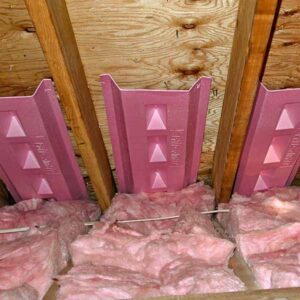
Selecting a reputable contractor ensures the longevity and effectiveness of your insulation. Consider the following when making your choice:

  • Experience and Expertise: Look for contractors with a proven track record in installing blown-in insulation in Ottawa.

  • Customer Reviews and Testimonials: Research feedback from previous clients to gauge satisfaction levels.

  • Licensing and Insurance: Ensure the contractor is licensed and insured to perform insulation work in your area.

  • Comprehensive Services: Opt for companies that offer assessment, installation, and post-installation support.

For trusted services, Ottawa Insulation has been a reliable provider for over 25 years, offering eco-friendly solutions tailored to meet the unique needs of Ottawa residents.

Environmental Impact of Blown-In Insulation

Choosing blown-in insulation contributes positively to the environment by reducing energy consumption and utilizing recycled materials, especially when opting for cellulose insulation. This choice aligns with sustainable living practices and reduces your home’s carbon footprint.

Installing blown-in insulation in Ottawa is a strategic investment that enhances energy efficiency, comfort, and environmental sustainability. By understanding the benefits, types, and installation process, homeowners can make informed decisions that lead to long-term savings and improved living conditions.

For professional installation and expert advice, consider reaching out to Ottawa Insulation, your trusted partner in creating energy-efficient and comfortable homes.

Attic Insulation Tips and Tricks for Ottawa Homeowners

attic insulation in ottawa

Proper attic insulation is essential for maintaining a comfortable and energy-efficient home, especially in Ottawa’s diverse climate. This guide provides updated insights and practical tips to help you optimize your attic insulation, reduce energy costs, and enhance indoor comfort.

Understanding R-Value and Its Importance

The effectiveness of insulation is measured by its R-value, which indicates the material’s resistance to heat flow. Higher R-values signify better insulating properties. In Ottawa, it’s recommended that attics have insulation with an R-value between R-50 and R-60 to combat cold winters and hot summers effectively. This typically translates to about 16 to 20 inches of insulation material.

Attic InsulationCommon Types of Attic Insulation

Selecting the right insulation material is crucial. Here are some common types suitable for attics:

1. Fiberglass Batts

Fiberglass batts are pre-cut panels that fit between attic joists. They’re relatively affordable and easy to install, making them a popular choice for DIY enthusiasts. However, proper installation is vital to prevent gaps that can reduce efficiency.

2. Blown-In Cellulose

Made from recycled paper treated for fire resistance, blown-in insulation is ideal for filling gaps and irregular spaces. It provides excellent coverage and is particularly effective in older homes with unconventional attic layouts.

3. Spray Foam Insulation

Spray foam expands upon application, sealing air leaks and providing a high R-value per inch. It’s excellent for hard-to-reach areas but is typically more expensive and requires professional installation.

Preparing Your Attic for Insulation

Before adding or upgrading insulation, proper preparation ensures maximum effectiveness.

1. Seal Air Leaks

Air leaks can significantly reduce insulation performance. Common leak areas include gaps around pipes, chimneys, and recessed lighting. Use caulk or expanding foam to seal these openings.

2. Ensure Proper Ventilation

Adequate ventilation prevents moisture buildup, which can compromise insulation and lead to mold growth. Ensure soffit vents are unobstructed and consider installing ridge vents if necessary.

3. Address Existing Insulation Issues

Remove any damaged or moldy insulation before adding new material. This prevents underlying problems from affecting the new insulation’s performance.

attic insulation removal ottawaBenefits of Upgrading Attic Insulation

Investing in quality attic insulation offers several advantages:

1. Energy Cost Savings

Proper insulation reduces the workload on heating and cooling systems, leading to lower energy bills. Homeowners can save up to 20% on heating and cooling costs with adequate insulation.

2. Enhanced Indoor Comfort

Consistent insulation helps maintain uniform indoor temperatures, eliminating drafts and cold spots. This results in a more comfortable living environment year-round.

3. Environmental Impact

Reducing energy consumption decreases your home’s carbon footprint, contributing to environmental conservation efforts.

Professional Installation vs. DIY

While some homeowners may consider installing insulation themselves, there are benefits to hiring professionals:

  • Expertise: Professionals can assess your attic’s specific needs and recommend the most effective insulation type and installation method.
  • Safety: Handling insulation materials, especially fiberglass or spray foam, requires proper protective equipment and knowledge.
  • Efficiency: Professional installation ensures that insulation is applied correctly, maximizing its effectiveness and longevity.

For expert attic insulation services in Ottawa, consider Ottawa Insulation. Their team provides comprehensive solutions tailored to your home’s unique requirements.

Maintaining Your Attic Insulation

Regular maintenance ensures your insulation continues to perform optimally:

  • Inspect for Damage: Periodically check for signs of moisture, mold, or pest infestations, and address any issues promptly.
  • Ensure Ventilation: Keep vents clear to prevent moisture buildup, which can degrade insulation materials.
  • Avoid Compression: Do not store items directly on insulation, as this can compress the material and reduce its effectiveness.

Conclusion

Optimizing your attic insulation is a worthwhile investment that enhances comfort, reduces energy costs, and contributes to a more sustainable home. By understanding the types of insulation available, preparing your attic appropriately, and considering professional installation, you can ensure your attic serves as an effective barrier against Ottawa’s varying temperatures.

For more information on attic insulation services, visit Ottawa Insulation. Our experienced team is ready to assist you in making your home more energy-efficient and comfortable.