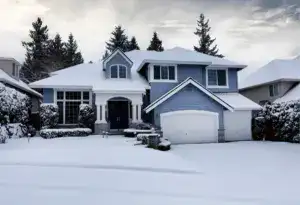
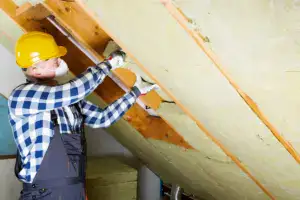
Cold walls and chilly floors are more than just uncomfortable. They are often a sign that heat is escaping where it should not. In many homes, walls and floors are two of the biggest sources of heat loss, which means your heating system has to work harder to keep up.
In Ottawa, where winter temperatures regularly drop well below freezing, poor insulation can make certain rooms feel noticeably colder than others. You might feel it near exterior walls, above an unheated garage, or in rooms built over crawl spaces.
Upgrading wall and floor insulation helps stabilize indoor temperatures and reduce energy waste. Instead of constantly adjusting the thermostat, your home stays more consistent and comfortable throughout the day. Over time, that consistency also translates into lower heating bills.
Why Walls and Floors Lose Heat
Heat naturally moves from warm areas to cold ones. In winter, that means the warmth inside your home pushes outward toward colder exterior walls and uninsulated floor spaces.
If wall cavities are underfilled or floor assemblies lack proper insulation, that heat escapes quickly. You may notice rooms that feel drafty, floors that stay cold even when the thermostat is set higher, or areas near exterior walls that never seem to warm up.
In Ottawa’s colder months, these gaps in insulation become more noticeable. The greater the temperature difference between indoors and outdoors, the harder your heating system has to work to compensate.
Proper insulation slows that heat movement. By filling wall and floor cavities completely and reducing air leakage, insulation helps maintain a more stable indoor temperature without overworking your furnace.
Wall Insulation: What Homeowners Should Know
Not all walls are built the same, and the right insulation approach depends on how your home was constructed. Understanding whether you have cavity or solid walls helps determine the most effective upgrade.
Cavity Wall Insulation
Cavity walls include a gap between the interior and exterior layers. Filling that space with insulation reduces heat loss and helps eliminate cold spots along exterior walls.
When properly installed, cavity wall insulation improves temperature consistency and lowers heating demand. Installation quality matters, and any existing moisture issues should be addressed before adding insulation.
R-value is one way to compare insulation performance. Higher R-values indicate greater resistance to heat flow, but proper coverage and sealing are just as important as the material itself.
Solid Wall Insulation
Older homes with solid walls may lose heat more quickly because there is no built-in cavity to slow heat movement.
Solid wall insulation can be added internally or externally during renovation projects. Internal insulation is generally less disruptive, while external insulation can provide stronger overall performance but requires more extensive work.
Improving solid wall insulation can reduce cold spots and make rooms feel noticeably more comfortable during winter months.
Floor Insulation: What to Consider
Floors can account for significant heat loss, especially in homes with basements, crawl spaces, or rooms built above unheated areas. If floors feel cold even when the room is heated, insulation may be insufficient below.
Underfloor Insulation
Underfloor insulation is typically installed between floor joists in basements or crawl spaces. It slows heat transfer between living areas and colder spaces below, reducing drafts and improving comfort.
In colder climates, uninsulated floors can make rooms feel uncomfortable even when air temperatures are adequate. Proper underfloor insulation helps maintain more consistent indoor conditions and reduces strain on your heating system.
Installation should account for moisture control and proper coverage. Gaps or compressed insulation reduce effectiveness.
Surface-Level Improvements
If accessing the floor structure is not practical, adding dense underlay beneath flooring or installing carpet can help reduce heat loss and improve comfort. While these measures are not a replacement for proper underfloor insulation, they can provide noticeable improvement.
Homes with rooms built above garages often benefit from insulation upgrades beneath the floor assembly to improve both warmth and noise control.
Why Walls and Floors Work Together
Insulating walls or floors alone can improve comfort, but the greatest benefit comes when both are addressed together.
Heat does not escape from just one area. It moves through any weak point in the building structure. If walls are well insulated but floors are not, cold air can still affect room comfort. The same is true in reverse.
Upgrading wall and floor insulation at the same time helps create more consistent indoor temperatures and reduces overall heat loss. In colder climates, this combined approach often delivers more noticeable improvements than upgrading a single area.
When insulation works together as a system, your heating equipment does not have to cycle as often, and comfort levels remain steadier throughout the home.
Choosing the Right Insulation for Your Ottawa Home
The best insulation for walls and floors depends on your home’s construction, accessibility, and overall condition. No single material works in every situation.
Spray foam insulation expands to fill gaps and irregular cavities. It is often used where air sealing is critical or where existing insulation is incomplete.
Fiberglass insulation remains a common option for standard wall cavities and floor joists. When installed properly, it provides reliable thermal performance at a moderate cost.
Mineral wool offers both thermal and acoustic benefits and is often chosen when sound reduction between rooms is also a priority.
Blown-in cellulose insulation works well in retrofit projects where wall cavities need to be filled without major demolition.
The right choice depends on how your home is built and where heat loss is occurring. A proper assessment helps determine which material and installation method will deliver the most noticeable improvement.
Frequently Asked Questions
Why is insulation used in walls and floors?
Insulation slows the movement of heat through a home’s structure. In walls and floors, it helps keep warm air inside during winter and limits heat gain in summer. Proper insulation also reduces drafts and improves overall comfort.
What type of insulation is best for walls?
The best insulation depends on wall construction and accessibility. Spray foam provides strong air sealing, fiberglass works well in standard cavities, and mineral wool adds sound control. Proper installation and full cavity coverage are more important than the material alone.
What type of insulation is best for floors?
Underfloor insulation installed between floor joists is typically the most effective option. Fiberglass batts, mineral wool, or spray foam may be used depending on the space. The right choice depends on moisture conditions and access.
Is floor or wall insulation more important?
Both play important roles. Exterior walls often account for significant heat loss, but uninsulated floors above basements, crawl spaces, or garages can make rooms feel noticeably colder. The best results usually come from addressing both areas together.
Can insulation be added without major renovations?
In many cases, yes. Blown-in insulation can be added to wall cavities, and underfloor insulation can often be installed from below. Larger upgrades may require renovation work, especially in older homes.
Ready to Improve Comfort in Your Home?
Cold walls and chilly floors are not just minor annoyances. They are often signs that heat is escaping and your home is working harder than it needs to.
Upgrading wall and floor insulation is one of the most effective ways to improve comfort, reduce heat loss, and stabilize indoor temperatures. In Ottawa’s colder climate, these improvements can make a noticeable difference during the winter months.
If you are considering insulation upgrades, contact us to schedule an assessment and find out which improvements will make the biggest difference in your home.