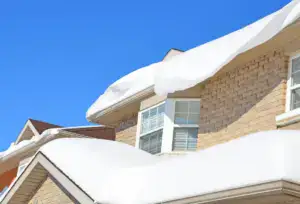
There is something reassuring about stepping into your home and closing the door behind you. In winter, it might mean shutting out the wind and snow. In summer, you may be escaping traffic noise and neighbourhood activity. Either way, your home should feel calm and protected.
Yet many Ottawa homeowners still deal with unwanted noise indoors. Traffic from busy streets, loud neighbours in semi-detached homes, or sound traveling between floors can interrupt that sense of comfort. Effective soundproofing often begins with something many people overlook: proper insulation.
To understand why insulation matters, it helps to look at how sound actually moves through a house.
How Does Sound Travel Through a Home?
Sound travels through a home in two primary ways: through the air and through structure.
Airborne sound includes voices, music, and traffic. It travels through air gaps, wall cavities, windows, and attic spaces.
Impact sound includes footsteps, dropped objects, and slamming doors. It moves through framing, drywall, and floor systems.
In many homes, especially older properties or semi-detached houses, insulation levels were primarily designed for temperature control, not sound reduction. If there are gaps or empty cavities, noise travels easily.
That is why reducing noise inside a home starts with sealing air leaks and fully filling wall and ceiling cavities.
Why Air Sealing Comes First
If sound travels through air gaps, the first step in controlling it is sealing those gaps.
Cracks around windows and doors, openings around plumbing and electrical wiring, attic hatches, and rim joists all allow air movement. When air moves through a space, sound moves with it.
Addressing these small leaks does more than reduce noise. It also improves overall comfort and energy efficiency by limiting drafts and heat loss.
During Ottawa’s long winters, even minor air leaks can make a measurable difference in both comfort and heating costs.
The Role of Acoustic Sealants
Standard caulking helps seal visible gaps, but acoustic sealants are designed specifically to limit sound leakage over time.
They are typically applied around electrical boxes, window and door frames, baseboards, and drywall seams. Because walls naturally expand and contract with seasonal changes, acoustic sealants remain flexible and maintain their seal without cracking.
When combined with proper insulation, sealing these smaller openings can noticeably improve sound control in many homes.
What Is the Best Insulation for Soundproofing?
There is no single material that makes a home completely soundproof. The goal is to reduce sound transmission by fully filling cavities and limiting air movement.
In construction, sound control is commonly measured using Sound Transmission Class (STC) ratings, which estimate how well a wall or ceiling assembly reduces airborne sound.
Different insulation materials perform well in different situations.
Spray Foam Insulation
Spray foam expands to fill gaps and irregular spaces. Because it creates an airtight seal, it reduces airborne sound while also improving thermal performance.
It is particularly effective in:
- Shared townhouse walls
- Garage ceilings beneath bedrooms
- Basement ceilings
- Renovated wall cavities
Blown-In Insulation
Blown-in cellulose or fiberglass works well in existing homes where walls are already finished. It fills cavities densely and helps reduce hollow spaces where sound can travel.
Mineral Wool
Mineral wool is commonly used in interior walls because of its strong sound-absorbing properties. It helps reduce sound transfer between rooms and floors.
The best results usually come from pairing the right insulation material with proper air sealing. Sound control is rarely about one product alone. It is about how the entire wall or ceiling assembly is built.
Can Insulation Reduce Street Noise?
Yes. Insulation reduces street noise by limiting the pathways through which airborne sound enters the home.
When exterior walls and attic spaces are properly insulated, there are fewer gaps and hollow cavities for sound to travel through. Dense, well-installed insulation absorbs and slows sound waves before they reach interior living spaces.
If you are considering upgrading to soundproof windows, keep in mind that poorly insulated wall cavities can still allow noise to bypass even high-quality glass. Windows are only one part of the building envelope.
Improving insulation around window frames and inside exterior walls often delivers noticeable reductions in traffic noise without requiring full window replacement.
What About Noise Between Floors?
Noise between floors is one of the most common complaints in multi-level homes.
Footsteps, dropped objects, and furniture movement create impact sound that travels through framing and floor systems. Without proper insulation between joists, vibration moves easily from one level to another.
Adding insulation within floor cavities helps absorb some of that vibration and reduce sound transfer. This is especially important when a bedroom or office sits above an unheated garage.
In many cases, the same ceiling cavity that allows heat to escape also allows sound to pass through. Upgrading insulation in that space improves both comfort and noise control at the same time.
Reducing Sound Transfer with Resilient Channel
In some renovation projects, contractors may install resilient channel between wall studs and drywall to reduce vibration transfer.
Resilient channel is a thin metal strip that creates a slight separation between the drywall and the framing structure. This separation helps limit how vibration moves through walls and ceilings.
It is most commonly used in shared walls, basement ceilings, or multi-unit housing. Because it requires opening the wall or ceiling, it is typically installed during renovations rather than as a simple retrofit upgrade.
Do Acoustic Panels Help?
Acoustic panels can improve how a room sounds, but they serve a different purpose than insulation.
Panels are designed to absorb sound reflections within a space. They reduce echo and improve clarity, which makes them useful in home offices, media rooms, and open-concept living areas.
However, acoustic panels do not prevent outside noise from entering the home or stop sound from traveling through walls and ceilings. For that, the structure itself must be properly sealed and insulated.
In most cases, panels improve interior acoustics, while insulation reduces sound transmission between spaces.
Frequently Asked Questions
What insulation works best for reducing noise?
There is no single material that makes a home completely soundproof. Spray foam helps reduce airborne sound by limiting air movement. Mineral wool absorbs sound within wall cavities. Blown-in insulation improves existing walls. The most important factor is full coverage with minimal gaps.
Does spray foam insulation reduce sound?
Yes. Spray foam limits air movement inside wall and ceiling cavities, which reduces airborne sound transfer. It is most effective when installed as part of a complete air sealing strategy.
Can insulation reduce traffic noise from outside?
Yes. Exterior wall and attic insulation reduce the pathways through which outside noise enters. Sealing gaps around windows and framing is just as important as the insulation itself.
How do I stop noise coming through walls?
Start by sealing air gaps around outlets, windows, and trim. Then ensure the wall cavity is properly insulated. In more advanced cases, upgrading insulation and reinforcing the wall assembly during renovation can significantly improve sound control.
What are common soundproofing mistakes?
Common mistakes include relying only on acoustic panels, ignoring small air gaps, installing insulation without proper sealing, and assuming thicker drywall alone will solve the issue. Effective sound control usually requires addressing both air movement and structural vibration.
Ready to Make Your Ottawa Home Quieter?
Unwanted noise rarely disappears on its own. If sound is traveling through your walls, ceilings, or floors, the issue is usually structural. Gaps, under-insulated cavities, and poorly sealed assemblies allow noise to move freely through the home.
The good news is that these problems are fixable.
At Ottawa Insulations, we help homeowners identify where sound is entering and recommend practical insulation solutions that improve both quiet and comfort. Whether the issue is a noisy shared wall, a garage ceiling beneath a bedroom, or street traffic filtering through exterior walls, the right insulation strategy makes a measurable difference.
Many of the upgrades that reduce noise also lower heating costs and improve energy efficiency during Ottawa’s long winters.
If you are ready to create a quieter, more comfortable home, contact us for a professional assessment and a clear plan tailored to your space.