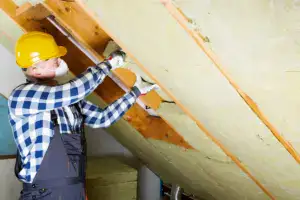
If the room above your garage never seems comfortable, you are not alone. In winter, it may feel colder than the rest of the house. In summer, it can become noticeably warmer. Even with the thermostat set correctly, the temperature often feels inconsistent.
This is a common issue in Ottawa homes. Garages are typically unheated and often under-insulated. When a living space sits directly above that environment, temperature differences become more noticeable.
In most cases, the issue is not your furnace or air conditioner. It is how the space is insulated and sealed.
Why Rooms Above Garages Are Hard to Heat and Cool
Garages are more exposed to outdoor temperatures than most interior spaces. They are usually unheated, and the garage door can allow significant temperature swings throughout the year.
When the ceiling between the garage and the living space lacks proper insulation, those temperature extremes transfer upward. In winter, cold air below cools the floor above. In summer, trapped heat in the garage can warm the room above it.
Air leakage makes the issue worse. Gaps around plumbing, wiring, and framing connections allow air to move between the garage and the room above. As air moves, it carries temperature changes with it.
In Ottawa’s colder months, the difference between a heated room and an unheated garage can be significant. Without proper insulation and air sealing, maintaining consistent comfort becomes difficult.
Insulating the Garage Ceiling
In most homes, the primary cause of temperature imbalance is insufficient insulation in the garage ceiling.
Standard fiberglass batts are often installed between ceiling joists during construction. Over time, gaps, compression, and air leakage reduce their effectiveness. Even small openings can allow significant heat transfer.
Upgrading insulation in the garage ceiling can noticeably improve comfort in the room above. The goal is complete coverage between joists, proper air sealing around penetrations, and minimizing gaps along framing edges.
Spray foam insulation is sometimes used because it expands to seal irregular spaces and reduce air movement. In other cases, replacing or reinforcing existing insulation may be enough to improve performance.
Addressing the garage ceiling first typically delivers the most immediate improvement.
Insulating the Floor Above the Garage
In some homes, improving the garage ceiling alone may not fully resolve the issue. Additional insulation can be added directly to the floor structure of the room above.
This typically involves installing insulation between floor joists or adding rigid insulation to reduce heat transfer. Proper coverage is essential, as gaps or compressed materials limit performance.
Floor insulation is particularly helpful when the room above the garage is used as a bedroom or office, or when the floor consistently feels colder than surrounding areas.
When combined with effective garage ceiling insulation, upgrading the floor assembly strengthens the thermal barrier and improves overall comfort.
The Role of Wall and Ceiling Insulation
Although the garage ceiling is often the primary concern, the surrounding walls and ceiling of the room above also influence comfort.
If exterior walls are under-insulated, temperature imbalances may continue even after upgrading the garage ceiling. Air leaks around windows, outlets, and baseboards can further reduce performance.
In some cases, improving wall insulation or addressing air sealing during renovations helps stabilize the room more effectively.
Comfort improves most when insulation is treated as part of a complete system rather than focusing on a single area.
What About the Garage Door?
An insulated garage door can help moderate temperature swings inside the garage, but it is rarely enough to resolve comfort issues in the room above.
Because garage doors are large surfaces exposed directly to outdoor conditions, higher R-value models slow heat transfer and reduce extreme temperature shifts inside the garage.
However, the primary source of heat loss affecting the room above is usually the ceiling assembly between the garage and the living space. Without proper insulation there, upgrading the door alone will not fully solve the problem.
An insulated garage door can support overall performance, but it should be part of a broader insulation strategy.
Small Improvements That Can Help
There are minor adjustments that can improve comfort, although they do not replace proper insulation upgrades.
Adding thick rugs or carpet can reduce heat loss through the floor surface. Sealing window gaps and using heavier window coverings may help limit drafts. In some cases, adjusting the HVAC system can improve airflow to the room.
These steps can make the space feel more comfortable, but they typically address symptoms rather than the underlying insulation issue.
If structural insulation is lacking, temperature differences will likely continue.
Common Signs Insulation Is the Issue
Certain patterns often point toward insulation problems:
- The room above the garage feels consistently colder in winter
- The space becomes noticeably warmer in summer
- The floor feels cold to the touch, even when the thermostat is set properly
- Heating or cooling runs more frequently when the room is in use
- Adjacent rooms feel comfortable, but the space above the garage does not
When several of these signs appear together, insulation and air sealing are often contributing factors.
Frequently Asked Questions
Do rooms above garages get colder?
Yes, they often do. Because garages are typically unheated, cold air below can affect the floor structure above when insulation is insufficient. The greater the temperature difference between the garage and the living space, the more noticeable the discomfort.
Should the ceiling above the garage be insulated?
Yes. The ceiling between the garage and the room above is usually the most important area to insulate. Proper insulation and air sealing in this assembly help prevent heat transfer and improve overall comfort.
Where do garages lose the most heat?
Heat is commonly lost through the garage door, exterior walls, and especially the ceiling that separates the garage from the living space above. Gaps and air leaks around framing and penetrations can also contribute.
How do you insulate a bedroom above a garage?
The most effective approach typically involves upgrading insulation in the garage ceiling, improving air sealing, and addressing any deficiencies in the room’s exterior walls. In some cases, additional insulation can be added to the floor assembly above the garage.
Is it safe to have a room above the garage?
Yes, provided the space is properly insulated, sealed, and ventilated. Building codes require separation between the garage and living space to reduce fire and fume risks. Proper insulation also improves comfort and energy efficiency.
Is spray foam required for this type of insulation?
Not necessarily. Spray foam can be effective for air sealing and irregular cavities, but other insulation materials can also perform well when properly installed. The right solution depends on the existing structure.
Improve Comfort Year-Round
A room above the garage should feel like part of the home, not a separate climate zone.
Addressing insulation and air sealing in the garage ceiling and surrounding areas can significantly improve comfort, stabilize indoor temperatures, and reduce strain on your heating system.
In Ottawa’s colder climate, these improvements are especially noticeable during winter months when temperature differences are most extreme.
If your room above the garage never seems comfortable, contact us to schedule an assessment and determine which insulation upgrades will have the greatest impact.