It isn’t always obvious when a home has an insulation problem. Often, the first sign is a room that stays cold in the winter or becomes too hot in the summer. Other signs include rising energy bills, ice dams that return every winter, and thin or uneven insulation in the attic.
These problems do not necessarily mean that all of your insulation needs to be replaced. Your home may need air leaks sealed, more insulation added, or damaged material removed. The following signs can help you recognize when your insulation should be inspected and what type of work may be required.
1. Temperatures Vary Significantly Between Rooms
Every home has some temperature variation, particularly between floors. The concern is when the difference persists and makes certain rooms uncomfortable.
The location of the problem can offer clues. A cold room above a garage may not have enough insulation in the garage ceiling. Rooms along an exterior wall may be affected by missing or poorly installed wall insulation. A significant difference between floors can point to heat loss through the attic or air movement between levels.
Ottawa’s housing stock includes older bungalows, split-level homes and houses with later additions. Renovated sections may not have the same insulation or air sealing as the original structure, creating noticeable differences from one area to another.
Heating-system problems and blocked vents can also cause uneven temperatures. However, if the same rooms are uncomfortable every winter or summer, the insulation and air sealing in those areas should be checked.

2. Your Energy Consumption Has Increased Without a Clear Reason
Insufficient insulation makes it more difficult to maintain a comfortable temperature throughout the year. During Ottawa winters, heat escapes more easily and your heating system has to run longer. In the summer, heat enters the home more readily, increasing the demand on your air conditioning.
Review your energy consumption rather than the dollar amount alone. Utility rates, outdoor temperatures, and household habits can all affect your final bill. When comparing your usage with the same period last year, consider whether you have adjusted your thermostat, added new appliances, or spent more time at home.
If your energy use continues to rise without an obvious explanation, heat loss in winter or heat gain in summer through the attic, walls, or basement may be contributing to the problem.
3. You Feel Drafts With the Windows and Doors Closed
Drafts usually point to air leaks rather than failed or thin insulation. Outdoor air can enter your home around window and door frames, attic hatches, electrical outlets, plumbing penetrations, and gaps where walls meet floors or ceilings.
While they are related, insulation and air sealing serve different purposes. Insulation slows the transfer of heat, while air sealing closes the gaps that allow air to move in and out of your home.
This distinction is important when planning an upgrade. Adding more attic insulation without sealing the openings beneath it can cover leaks without fixing them. In many Ottawa homes, air leaks should be addressed before more insulation is added.
4. Ceilings, Walls or Floors Have Persistent Cold Areas
A surface that remains noticeably colder than the surrounding area may indicate missing or compressed insulation, air leakage, or heat loss through the framing.
Cold upper-floor ceilings can point to weak spots in the attic insulation. Cold floors may be caused by an uninsulated garage, basement, or crawl space below. A cold area along an exterior wall may indicate a gap in the insulation or an opening that has not been properly sealed.
Touch alone cannot confirm the cause, but a consistent cold spot provides a useful place to begin an inspection. Thermal imaging can help identify temperature differences that are not otherwise visible.
5. The Upper Floor Becomes Excessively Hot in Summer
Insulation is often associated with winter, but it also helps limit the amount of heat that moves from a hot attic into the rooms below.
If the second floor becomes much warmer than the main level during the summer, the attic may not have enough insulation, the coverage may be uneven, or there may be unsealed openings around wiring, plumbing, and ceiling fixtures. A poorly insulated or unsealed attic hatch can also allow heat into the living space.
Ottawa’s warm, humid summers make attic insulation a year-round concern. Insulation, air sealing, and ventilation should all be checked before assuming that adding more insulation will solve the problem.
6. Ice Dams or Uneven Snow Melt Appear on the Roof
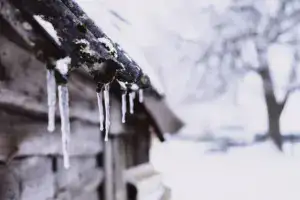
Ice dams form when heat entering the attic warms part of the roof and melts the snow above it. The water runs toward the colder eaves, where it freezes again. As the ice builds, water can back up beneath the shingles and lead to leaks or interior damage.
Recurring ice dams, especially when neighbouring homes have more even snow coverage, can indicate that too much heat is entering the attic. Common causes include insufficient insulation, air leaks around ceiling openings, heat escaping from ductwork, or exhaust fans releasing warm air into the attic.
Ottawa’s frequent freezing and thawing can make these problems more noticeable. Removing the ice deals with the immediate buildup, but preventing it from returning may require improvements to the attic’s air sealing, insulation, or ventilation.
7. You Notice Moisture, Mould or Musty Odours
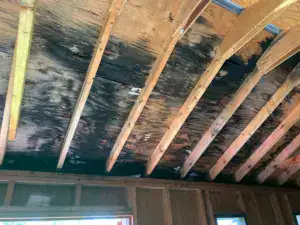
Any moisture problem should be investigated before new insulation is installed. Water may enter through a roof or plumbing leak, while condensation can form when warm indoor air reaches a cold surface in the attic. Bathroom or kitchen exhaust fans that vent into the attic can make the problem worse.
Warning signs include:
- Water stains on ceilings
- Damp, clumped, or compressed insulation
- Frost on attic nails or roof sheathing
- Mould on attic surfaces
- A musty smell near the attic hatch
Adding new material over affected insulation can hide the damage without fixing its source. The moisture problem should be repaired first. The insulation can then be assessed to determine whether only the affected area or all of the material needs to be replaced.
8. Pests Have Disturbed or Contaminated the Insulation
Finding mice, squirrels, or insects does not necessarily mean your home needs more insulation. The issue is the damage they can cause after entering an insulated space.
Animals can tunnel through loose-fill insulation, move batts out of place, and leave behind nests, urine, or droppings. This can create gaps in coverage and leave the insulation too contaminated to remain in your home.
The infestation and entry points should be addressed before new insulation is installed. Depending on the amount of damage, the solution may involve repairing a disturbed area or having the contaminated material professionally removed and replaced.
9. Attic Insulation Is Thin, Uneven or Compressed
The attic is often the easiest place to spot problems with your insulation. Exposed ceiling joists, inconsistent insulation depth, bare areas near the eaves, and compressed material can all indicate that the coverage is inadequate.
Depth alone does not tell the whole story. Different insulation materials provide different levels of thermal resistance per inch. Insulation may also look deep enough while still having gaps, moisture damage, or areas compressed by storage.
Many Ottawa homes have had insulation added at different times, leaving a mixture of materials or uneven coverage. An assessment can identify what is present, whether it can remain in place, and how much attic insulation is needed to improve the coverage. Depending on its condition, upgrading the attic insulation may involve adding to the existing material or replacing damaged areas.
Does Your Existing Insulation Need to Be Replaced?
Not necessarily. Insulation does not need to be removed simply because it is old. If the material is dry, uncontaminated, and still in good condition, it may be possible to leave it in place and add more where needed.
The right approach depends on what is causing the problem:
- Air sealing: Gaps that allow air to move in and out of the home are sealed before more insulation is added.
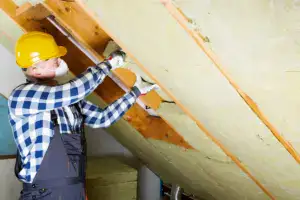
- Insulation top-up: Additional material is installed over suitable existing insulation to improve its coverage and thermal resistance.
- Localized repairs: Gaps and areas disturbed during previous work are repaired without replacing all the insulation.
- Removal and replacement: Wet, mouldy, contaminated, or badly damaged insulation is removed before new material is installed.
Removing insulation that is still in good condition adds unnecessary work and expense. However, covering damaged material with new insulation can hide moisture, mould, or contamination that still needs to be addressed. The existing material should be checked before deciding how to proceed.
Find Out What Your Home Needs
If you have noticed uneven temperatures, rising energy use, recurring ice dams, or visible problems in the attic, Ottawa Insulations can help determine what work is needed.
Your home may need air sealing, additional insulation, repairs to a specific area, or complete replacement of damaged material. Contact Ottawa Insulations for a free estimate based on the condition of your home and its existing insulation.
Frequently Asked Questions:
What is the average lifespan of insulation in a house?
There is no single lifespan for home insulation. Material that remains dry, clean, and properly installed can continue to perform for many years. Insulation may need attention sooner if it becomes wet, compressed, contaminated, or disturbed.
Do cold walls mean a home has poor insulation?
Cold walls can indicate missing or inadequate insulation, but they can also be caused by air leaks or heat transferring through the home’s framing. If the same areas remain cold throughout the winter, an inspection can help identify the cause.
Is it better to remove old insulation before adding new?
Old insulation does not always need to be removed. If it is dry, uncontaminated, and in good condition, new insulation can often be added over it. Removal may be necessary when the existing material is wet, mouldy, contaminated by pests, or badly damaged.
Can attic insulation be installed during the winter?
Attic insulation can generally be installed during the winter. Cold weather may also make heat loss, cold rooms, and uneven snow melt easier to identify. Active leaks, condensation, and other moisture problems should be corrected before new insulation is added.
Can poor insulation contribute to mould?
Poor insulation can contribute to conditions that allow mould to grow, particularly when warm indoor air reaches a cold surface and creates condensation. However, mould can also be caused by roof leaks, plumbing leaks, high indoor humidity, or exhaust fans venting into the attic. The source of the moisture should be identified before the insulation is repaired or replaced.