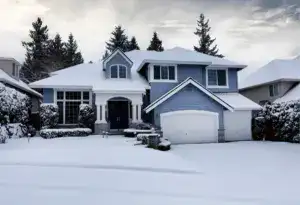
Ice dams are ridges of ice that form along the lower edge of a roof. They can block melting snow from draining, allowing water to collect behind them and work its way beneath the shingles or into the home.
They are common during Ottawa winters because snow accumulation and temperature changes create the right conditions for them to form. However, weather is only part of the explanation. Recurring ice dams can also indicate that heat is escaping into the attic and warming the roof unevenly. They are one of several signs that your home may need more insulation.
Removing the visible ice may address the immediate risk, but preventing it from returning requires finding out why part of the roof is warm enough to melt snow in the first place.
How Does an Ice Dam Form?
An ice dam develops through a cycle of melting and refreezing:
- Snow accumulates on the roof.
- Heat from the home reaches the underside of the roof and warms the surface above.
- Snow melts over the warmer area and runs down the roof.
- The water reaches the colder eaves, which extend beyond the heated portion of the home.
- The water refreezes and begins forming a ridge of ice.
- More meltwater collects behind that ridge instead of draining from the roof.
As this process repeats, the ice dam grows. Water trapped behind it may move beneath the shingles and enter the roof assembly, where it can damage ceilings, walls and insulation.
An ice dam is more than ice collecting in a gutter. The problem begins higher on the roof, where snow is melting even though the outdoor temperature is below freezing.
What Causes the Roof to Warm Unevenly?
Ice dams usually involve heat reaching the roof from inside the home. Several problems in the attic can contribute to heat loss.
Insufficient or Uneven Attic Insulation
Air Leaks Into the Attic
- Plumbing and electrical penetrations
- Recessed lights and ceiling fixtures
- Gaps around chimneys
- Openings around ductwork
- Interior wall cavities that connect with the attic
- An unsealed attic hatch
Exhaust Fans or Leaking Ductwork
Attic Ventilation Problems
Roof Design and Sun Exposure
Why Ice Dams Are Common During Ottawa Winters
Ottawa winters regularly provide the snow and temperature changes needed for ice dams to develop.
Snow may accumulate during a long cold period, followed by warmer daytime temperatures or direct sunlight that starts the melting process. Temperatures can then fall below freezing again overnight. If heat is also escaping through the attic, the cycle can continue even while the outdoor temperature remains below freezing.
Ice dams may be especially noticeable on older homes with uneven attic insulation, unsealed ceiling openings or additions completed at different times. They can also appear after renovations if insulation was moved or new fixtures created openings into the attic.
Warning Signs of an Ice-Dam Problem
A large ridge of ice along the eaves is the clearest sign, but other symptoms can appear before or after the ice becomes obvious.
Watch for:
- Thick ice building along the lower edge of the roof
- Icicles forming repeatedly in the same locations
- Bare or thin patches of snow over heated sections of the home
- Snow remaining at the eaves while melting higher on the roof
- Ice filling gutters or extending behind them
- Water stains on upper-floor ceilings or exterior walls
- Dampness near windows during a winter thaw
- Wet or compressed attic insulation
- Frost or moisture on attic sheathing and roof nails
Icicles alone do not prove that your home has an ice dam. Sunlight and normal temperature changes can also melt snow. The more concerning pattern is snow repeatedly melting higher on the roof while ice continues to collect along the colder edge.
What Damage Can Ice Dams Cause?
Water held behind an ice dam can move beneath shingles through small openings in the roof. Once inside, it may affect several parts of the home.
Potential damage includes:
- Water stains on ceilings and walls
- Wet or damaged insulation
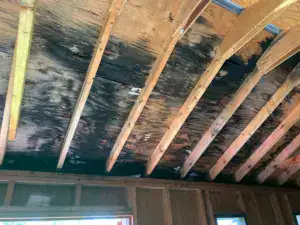
- Mould growth where moisture remains trapped
- Deterioration of roof sheathing
- Damaged shingles, flashing or gutters
- Peeling paint and damaged drywall
- Reduced insulation performance
The visible leak may appear some distance from where the water entered. Water can travel along the roof decking, framing or wiring before appearing inside the home, which can make the original entry point difficult to find.
What Should You Do If an Ice Dam Has Already Formed?
Avoid climbing onto an icy roof or trying to break the dam with an axe, hammer or other sharp tool. These methods create a serious fall risk and can damage the shingles, gutters or flashing.
If the ice dam is not causing an active leak, arrange to have it removed safely and then have the attic assessed to determine why it formed. A roof rake may sometimes be used from ground level to reduce snow near the edge, but it must be used carefully to avoid damaging the roof or pulling snow and ice onto people below.
If water is entering the home:
- Move furniture and belongings away from the affected area.
- Use containers or protective coverings to limit interior damage.
- Avoid electrical fixtures or wiring affected by water.
- Arrange for the leak and ice buildup to be addressed safely.
- Document visible damage for insurance purposes.
- Have wet insulation and building materials assessed after the leak is controlled.
Removing the ice protects the home from immediate damage. The next step is to correct the attic conditions that allowed the roof to warm unevenly.
How to Prevent Ice Dams From Returning
Long-term prevention focuses on keeping the roof surface at a more consistent temperature instead of repeatedly removing ice from the eaves.
Seal Attic Air Leaks
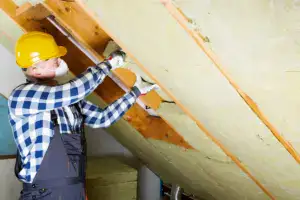
Improve Attic Insulation
Protect Attic Ventilation Pathways
Soffit and roof vents should remain clear so the attic can ventilate as designed. Baffles may be needed near the eaves to prevent loose-fill insulation from blocking airflow.
Correct Exhaust and Duct Problems
Bathroom and kitchen exhaust ducts should be securely connected, insulated where necessary and vented outdoors. Any heating ducts located in the attic should also be checked for leaks or inadequate insulation.
Address Roof and Drainage Defects
How an Attic Inspection Identifies the Cause
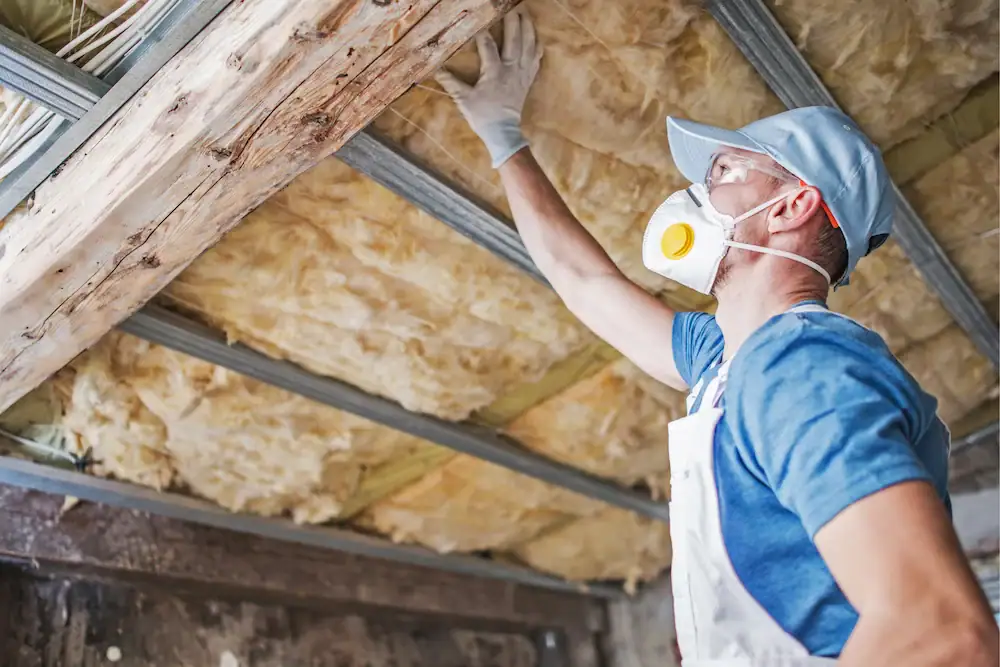
An ice dam is visible outside, but its cause is often found inside the attic.
An inspection may look for:
- Thin, missing or compressed insulation
- Gaps around ceiling openings
- An unsealed or poorly insulated attic hatch
- Blocked soffit vents
- Disconnected exhaust ducts
- Frost, condensation or water staining
- Wet or damaged insulation
- Areas where previous work disturbed the insulation
The solution depends on what the inspection finds. Some homes may only need targeted air sealing and an insulation top-up. Others may require ventilation corrections, duct repairs or removal of insulation damaged by water or pests.
Stop Ice Dams at Their Source
If ice dams repeatedly form on your Ottawa home, removing the ice is only a temporary response. The attic should be checked for heat loss, air leakage, insulation gaps, moisture and ventilation problems.
Ottawa Insulations can assess the condition of your attic and recommend the appropriate combination of air sealing, insulation or related repairs. Contact Ottawa Insulations for a free estimate and take the first step toward preventing the problem from returning.
Frequently Asked Questions:
How do you get rid of an ice dam?
An existing ice dam should be removed without climbing onto an icy roof or striking the ice with sharp tools. If it is large, difficult to reach or already causing a leak, arrange for professional removal. Once the immediate problem is under control, the attic should be checked to determine why the roof is warming unevenly.
Can ice damming be prevented?
In many homes, yes. Prevention may involve sealing attic air leaks, improving insulation, correcting exhaust or heating ducts and keeping ventilation pathways clear. The right combination depends on what is allowing heat to reach the roof.
When should you worry about ice dams on your roof?
An ice dam should be addressed promptly if water is entering the home, ice is spreading behind the gutters, shingles or flashing appear damaged, or water stains develop on ceilings and walls. A recurring ridge of ice in the same location also suggests an underlying attic problem that should be investigated.
Can a new roof still develop ice dams?
Yes. New shingles do not prevent heat from escaping through the attic. A newer roof can still develop ice dams if the attic has inadequate insulation, air leaks or other heat-loss problems.
Does wet attic insulation need to be removed after an ice-dam leak?
It depends on the type of insulation, how wet it became, whether it contains contaminants and whether it can dry completely. Insulation that remains damp, becomes compressed or develops mould may need to be removed. The leak and source of the heat loss should be corrected before replacement insulation is installed.