If you are adding insulation to your Ottawa home, you may assume that a new vapour barrier should be part of the job. That is not always the case. Many homes already have one, and laying polyethylene over existing insulation can create a moisture problem instead of preventing one.
The right approach depends on where the insulation is going, what is already there and whether the wall or ceiling is open. Topping up an attic is different from rebuilding an exterior wall or finishing a basement.
Before the work begins, the existing insulation and moisture-control layers should be checked. The goal is to control moisture without creating a second barrier that prevents the assembly from drying.
How Vapour Barriers Control Moisture
Water vapour moves through building materials from areas of higher vapour pressure to areas of lower vapour pressure. During Ottawa winters, that movement is generally from the warm interior of your home toward the colder exterior.
A vapour barrier slows this movement through insulated walls, ceilings and floors. This reduces the amount of water vapour that can reach a cold surface inside the assembly and condense.
In cold-climate construction, the vapour barrier is generally installed toward the warm side of the insulation. In a typical insulated wall, that means behind the drywall and on the interior side of the wall cavity.
Polyethylene sheeting is the material most homeowners associate with vapour barriers, but it is not the only option. Vapour control may also be provided by:
- Vapour-retarder paint
- Certain rigid foam products
- Some spray foam insulation systems
- Approved membranes
- Foil-faced materials
- Existing layers within the wall or ceiling
Whether a material can provide adequate vapour control depends on the product, its thickness and how it is installed. The right choice also depends on the other materials already in the wall or ceiling.
A vapour-control layer does not always have to sit directly behind the drywall. It can be installed farther into the assembly, provided enough insulation remains on its cold side to keep it sufficiently warm. When insulation is installed on both sides, the proportion of thermal resistance on each side must be considered.
The Difference Between Vapour Barriers and Air Barriers
A vapour barrier slows the movement of water vapour through building materials. An air barrier stops air from passing through gaps and openings.
The difference matters because moving air can carry much more moisture into a wall or attic than vapour diffusion through drywall. Gaps around wiring, plumbing, pot lights, attic hatches and the tops of interior walls give warm indoor air a direct path into insulated spaces.
Polyethylene can perform both jobs when it is continuous and properly sealed. In many existing homes, however, separate materials control air and vapour. Painted drywall may provide some vapour resistance, while sealed joints and penetrations limit airflow.
Adding insulation does not close these openings. Accessible gaps should be found and sealed as part of the upgrade, even when the home already has adequate vapour control.
Adding Insulation to an Existing Attic
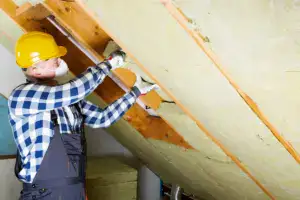
Adding more insulation to an existing attic usually does not require a new vapour barrier. The ceiling may already include polyethylene, painted drywall or painted plaster that provides vapour control on the warm side of the insulation.
Before adding insulation, check the attic for:
- Gaps around wiring, plumbing and ceiling fixtures
- Frost, condensation or water stains
- Insulation that is thin, missing, compressed, damp or mouldy
- Disconnected or poorly insulated exhaust ducts
- Blocked soffit or roof vents
- Visible damage to the existing air or vapour barrier
Do not lay polyethylene over the existing insulation or across the tops of the ceiling joists as part of a routine top-up. This places a low-permeance layer on the cold side of the insulation, where it can restrict drying and trap moisture.
If the existing insulation is dry and uncontaminated, it can usually remain after moisture problems and accessible air leaks have been corrected. Additional insulation can then be installed to improve coverage and thermal resistance.
A different approach may be needed if the attic has been stripped to the ceiling or the existing air and vapour control is badly damaged. Older homes without visible polyethylene may still rely on painted drywall or plaster, so the absence of plastic alone does not mean a new barrier is required. The correct repair depends on how the ceiling is built and whether it can be sealed from the attic or requires access from inside the home.
Adding Insulation to Existing Walls
Existing walls are difficult to assess because the vapour-control layer is usually concealed behind drywall or plaster. The right approach depends partly on whether the wall remains closed or is opened during the work.
When insulation is blown into a closed wall cavity, new polyethylene cannot be installed without removing the interior finish. The wall may instead rely on painted drywall, painted plaster or an older vapour-control layer already within the assembly.
Opening a wall during a renovation provides an opportunity to inspect the cavity, seal gaps and repair or install vapour control before the wall is closed again. Seams and penetrations around electrical boxes, windows, doors and other openings need to be sealed using materials suited to the assembly.
The location of the new insulation also matters. Insulating from the interior leaves the original sheathing colder during the winter, while continuous exterior insulation generally keeps more of the original wall warmer. Either approach changes how the wall handles heat and moisture.
Exterior sheathing, masonry, rigid foam and other materials must be considered before another low-permeance layer is added. If low-permeance materials are installed on both sides of the wall, moisture from leaks or indoor air may have limited opportunity to dry. The complete wall assembly should be assessed rather than treating the new insulation as a separate layer.
Basement Insulation Requires a Different Approach
Basement walls can be exposed to moisture from both inside and outside your home. Water may enter through foundation cracks or poor drainage, while concrete and masonry can absorb moisture and release it over time.
Any active water leak or dampness should be corrected before insulation is installed. Covering a wet foundation wall can hide the warning signs and create conditions for mould or deterioration behind the finished wall.
The correct approach depends on the foundation, the insulation material and whether the work is completed from the interior or exterior. Some rigid foam and spray foam products provide vapour control when installed to the required thickness. Adding polyethylene without accounting for those materials can create a second low-permeance layer and restrict the wall’s ability to dry.
A framed wall with batt insulation requires a different design. The assembly must account for foundation moisture, indoor humidity, air sealing and the location of each moisture-control layer. Polyethylene should not be added to either side of the wall without considering how the entire assembly is intended to manage moisture.
There is no single vapour-barrier detail that works for every Ottawa basement. The foundation, existing moisture conditions and insulation materials need to be evaluated together.
What to Check Before Adding Insulation
Before adding insulation, determine how the existing wall, ceiling or basement controls air and moisture. Painted drywall or plaster may already provide some vapour control even when no polyethylene is visible.
Check for:
- Active leaks, dampness or mould
- Accessible gaps that allow indoor air to enter the assembly
- Existing polyethylene, foam, foil facings or other vapour-resistant materials
- Insulation that is wet, contaminated or badly damaged
- Materials that may restrict drying toward the interior or exterior
The new insulation must work with the materials already in place. Assessing the complete assembly reduces the risk of trapping moisture or placing the vapour-control layer where it can become too cold.