Insulation plays a critical role in maintaining a comfortable and energy-efficient home environment. By regulating temperature, reducing drafts, and keeping out outdoor pollutants, insulation helps improve your home’s efficiency and lowers utility bills.
Over time, however, insulation can lose effectiveness due to moisture, damage, and age, leading to higher energy costs, compromised air quality, and less comfort overall. This can prompt homeowners to consider adding new insulation to improve energy efficiency, but taking the proper steps is essential.
Many homeowners are tempted to layer new insulation over the old to avoid the added cost and labour of removing existing material. However, skipping this insulation removal process can often create more issues than it solves, trapping hidden problems and leading to inefficient insulation in the long term. Before installing new insulation, it’s crucial to understand the value of removing the old material, as this step provides a solid foundation for the new installation, enhances air quality, and prevents future structural or health issues.
 The Risks Of Layering New Insulation Over Old
 The Risks Of Layering New Insulation Over Old
Adding insulation over existing material without removing it may seem like a quick fix. Still, it can often lead to problems that compromise both the effectiveness of your insulation and the health of your home environment. When old insulation remains in place, it hides contaminants, pests, and mold, which can worsen over time and spread into living spaces. Addressing these hidden risks by removing old insulation creates a healthier and more efficient base for the new material.
The Importance Of Insulation Removal Before Installing New Insulation
Here are some critical reasons to prioritize insulation removal before adding new layers:
Preventing The Spread Of Mold, Mildew, And Contaminants
As insulation ages, it can become a breeding ground for mold and mildew, particularly if exposed to moisture. Moisture from leaks, high humidity, or condensation can accumulate in the insulation, creating the perfect conditions for mold growth. If mold-infected insulation is left in place and covered with new insulation, these harmful spores are trapped, often spreading throughout the home’s air supply and compromising indoor air quality.
Removing old insulation helps identify mold or mildew and enables homeowners to replace the material with clean, dry insulation. This step is essential in safeguarding your family’s health, as exposure to mold can lead to respiratory issues, allergies, and even chronic illnesses. By starting with fresh insulation free of contaminants, you can create a healthier indoor environment.
Eliminating Pest Infestations
Older insulation, particularly in attics and basements, can become a nesting ground for pests like rodents, insects, and other small animals. Over time, these pests can damage insulation by chewing, nesting, or creating tunnels within the material, making it less effective at regulating temperature. In addition to physical damage, pest infestations can lead to health risks due to droppings, fur, and other contaminants that harm human health.
Removing old insulation allows for a thorough inspection of the area, ensuring that any pests or contaminants are removed before the installation of new insulation. Simply layering new insulation without addressing pest issues can lead to recurring infestations and potential health hazards for your household. A clean slate provides better insulation performance and peace of mind that your home is free from unwanted critters.
Improving Energy Efficiency And R-Value
The effectiveness of insulation is measured by its R-value or its ability to resist heat flow. Over time, insulation can compress, degrade, or lose its insulating properties, significantly impacting its R-value and, therefore, your home’s energy efficiency. When old insulation is left in place, it can trap cold spots, drafts, and moisture, reducing the new material’s effectiveness.
Removing degraded insulation and starting with fresh, high-quality insulation ensures that your home maintains optimal energy efficiency. A fresh installation provides better temperature control, reduces drafts, and minimizes energy waste, resulting in lower energy bills and a more comfortable living environment. Homeowners can enjoy increased energy savings and a better-insulated home by investing in proper insulation removal.
Addressing Structural Issues And Potential Damage
Insulation removal allows one to inspect the structure beneath for any underlying damage that may need attention. Insulation often hides structural issues like wood rot, moisture damage, or foundational cracks. When insulation is left in place, these problems can worsen, leading to costly repairs and potential safety hazards.
Removing old insulation allows for a thorough inspection of the structure, allowing homeowners or contractors to identify and repair any issues before installing the new insulation. This step is crucial for older homes, where structural wear and tear may be more common. Taking the time to address any structural problems before installing new insulation can improve the longevity and safety of your home, giving you added peace of mind.
Enhancing Indoor Air Quality For A Healthier Home
Old insulation can contain dust, allergens, and volatile organic compounds (VOCs) that degrade indoor air quality. These particles can infiltrate the air in living spaces, impacting residents’ health over time. Removing old, contaminated insulation eliminates a significant source of indoor pollutants, creating a healthier home environment.
When installing new insulation, you can choose modern materials to improve air quality and resist allergens and moisture. Fresh insulation can enhance your indoor environment, benefiting individuals with respiratory conditions or allergies and contributing to overall family well-being.
Avoiding Compressed Or Ineffective Insulation Layers
Over time, insulation can compress and lose shape, which diminishes its ability to insulate effectively. Adding new insulation on top of old, compressed material reduces the R-value, as the compressed insulation fails to resist heat flow as effectively. This leads to inefficient insulation and reduced temperature regulation in your home.
Removing old insulation allows the new material to be properly spaced and layered, providing the highest possible R-value and effective thermal barrier. With fresh insulation properly installed, you can enjoy better temperature regulation, reduced drafts, and a more comfortable living space.
Benefits Of Professional Insulation Removal And Installation
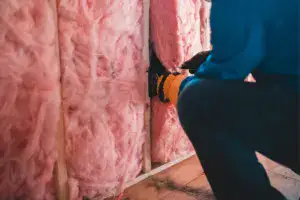
Although handling insulation removal as a DIY project might be tempting, hiring a professional insulation contractor can often yield better results. Professionals have the tools, knowledge, and experience to remove and dispose of old insulation safely, eliminating all contaminants, mold, and pests.
Choosing a professional also ensures compliance with local waste disposal and environmental regulations, which can vary depending on the type of insulation being removed. For homeowners who want the best possible results, professional insulation removal and installation offer the highest effectiveness and safety.
When upgrading your home’s insulation, removing the old material is vital to ensure the new insulation will provide the best results. Starting with a fresh foundation will allow your home to handle temperature changes, protect against contaminants, and enhance your family’s comfort for years.
For more information on insulation removal, contact Ottawa Insulation via this Online Form or call us at 613 882 3626. We will get back to you shortly.