If you’ve discovered that your attic insulation needs to come out, one of the first practical questions is how long the job will take. The answer depends on several factors, and understanding them will give you a realistic picture of what to expect before work begins.
A General Timeframe
What Affects the Timeline
Size of the area
The square footage being cleared is the most straightforward factor. A standard attic in an Ottawa bungalow runs roughly 1,000 to 1,500 square feet. Larger two-storey homes, homes with complex rooflines, or properties with insulated crawl spaces in addition to the attic will take proportionally longer.
Type of insulation being removed
Blown-in insulation, whether cellulose or fiberglass, is removed using industrial vacuum equipment and generally comes out efficiently. Batts and rolls require more manual handling and can take longer depending on how they were originally installed. Spray foam is the most time-consuming of all to remove, as it adheres firmly to surfaces and cannot be vacuumed out.
Condition of the insulation
Clean, dry insulation that has simply reached the end of its useful life is the most straightforward removal scenario. Insulation that has been compromised by moisture, mold, animal nesting, or pest activity requires more careful handling, containment measures, and disposal protocols, all of which add time to the job.
Attic accessibility
Low-pitch roofs, minimal headroom, obstructions from rafters, ductwork, or wiring, and a single small hatch for access all slow the process down. An attic with good standing height and easy access will be cleared faster than a tight, cramped space where technicians have limited room to maneuver.
Asbestos or other hazardous materials
Homes built before the 1980s may contain insulation with asbestos, which requires a separate remediation process governed by specific safety protocols. If asbestos is identified or suspected, the timeline extends considerably and the work must be carried out by certified environmental technicians using containment methods that prevent cross-contamination to the rest of the home. Timelines cannot be estimated without an assessment first.
What Actually Happens During Insulation Removal
A professional contractor will begin by setting up containment around the attic access point to prevent dust and debris from spreading through the living areas of the home. Industrial-grade vacuum equipment is brought in, with hoses running from the truck or trailer outside up into the attic space.
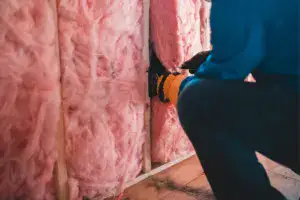
For blown-in insulation, the vacuum does most of the work. Technicians guide the hose through the attic, methodically clearing sections while the material is drawn out and collected in disposal bags outside. For batts, the material is removed by hand, bagged, and brought down.
Once the insulation is cleared, the attic is inspected for any underlying issues that may have contributed to the need for removal: moisture staining, mould, animal entry points, damaged vapour barriers, or failing air sealing around penetrations. Addressing these before new insulation goes in is important. New insulation installed over unresolved problems will not perform well and may need to come out again sooner than expected.
The attic is then cleaned before new insulation is installed, either on the same day or scheduled as a separate visit depending on the scope of work.
Do You Need Full Removal?
Not every situation calls for complete removal. If your existing insulation is dry, free of mould or pest activity, and simply below the current R-60 recommendation for Ottawa attics, topping up with blown-in cellulose over the existing layer is often the more practical and cost-effective approach.
Full removal is generally necessary when:
- Moisture or water damage has compromised the existing material
- There is evidence of mold growth in or around the insulation
- Animals have nested in the attic and left contamination behind
- The existing insulation contains or may contain asbestos
- A major renovation requires attic access, such as rewiring, adding a second story, or fire and smoke damage restoration
If you’re unsure whether your situation calls for removal or a top-up, a professional assessment will give you a clear answer before any work is committed to.
The Case for Professional Insulation Removal
Insulation removal is a dusty, physically demanding job that exposes workers to fibers, potential allergens, mold spores, and in older homes, possibly asbestos. Proper protective equipment, commercial vacuum systems, and containment procedures make a significant difference both to the safety of the people doing the work and to the cleanliness of the home during and after the job.
Beyond safety, a professional removal contractor will identify issues in the attic that a homeowner working alone is likely to miss, and can ensure the space is properly prepared for whatever comes next.