
Experienced Insulation Services in Gloucester
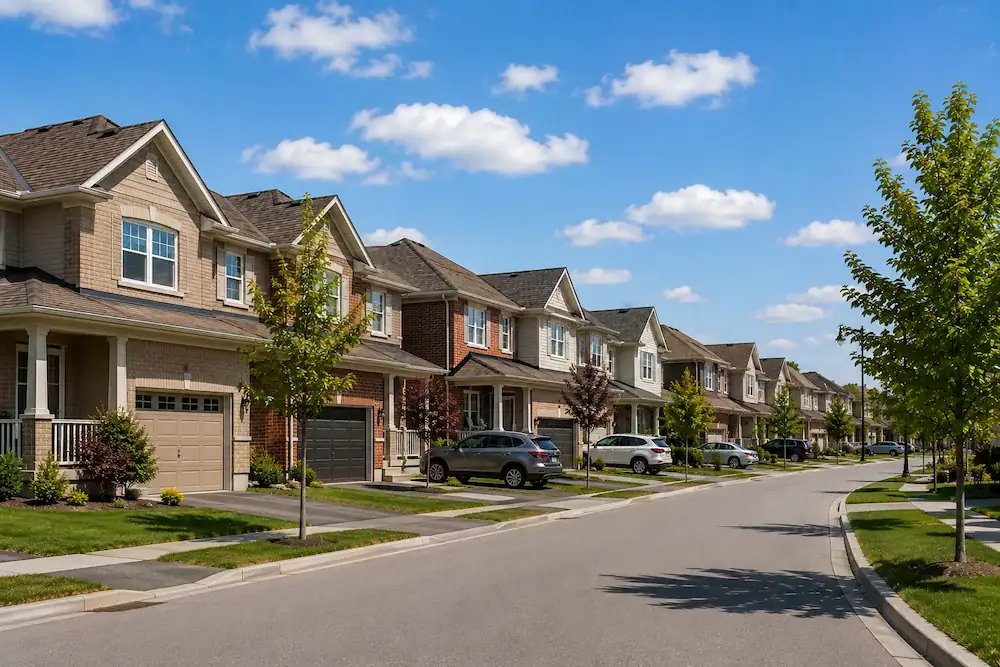
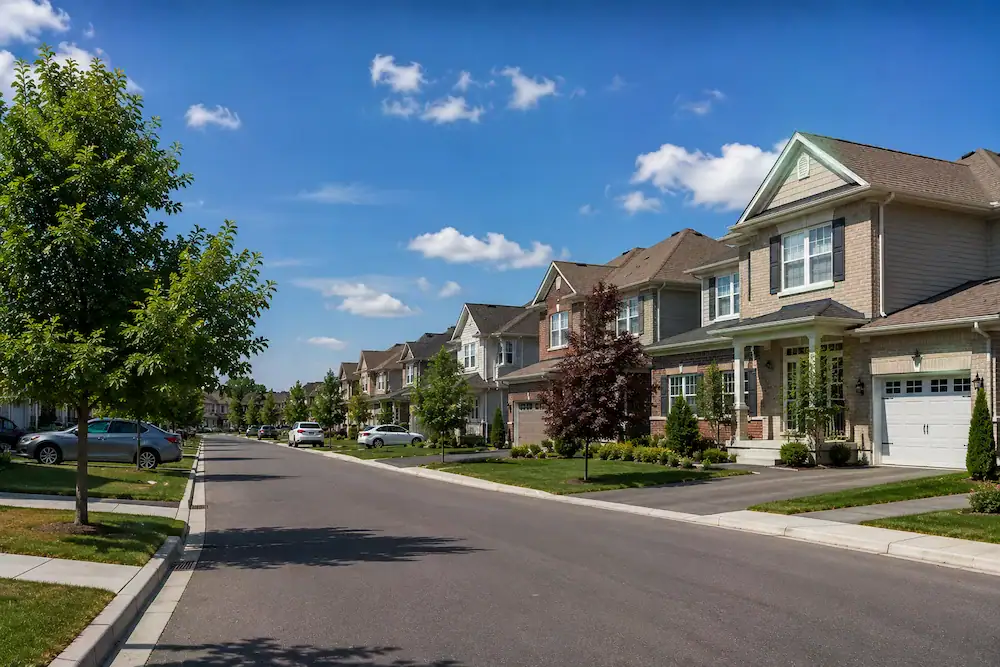
Homes in Gloucester range from long-established suburban properties to newer infill and townhome developments, and insulation performance can vary significantly depending on the age and condition of the home.
For over 25 years, Ottawa Insulations has helped homeowners improve comfort, reduce energy loss, and upgrade insulation that no longer performs effectively.

25 +
YEARS IN OTTAWA
Locally owned and operated
Eco-Friendly
NO FORMALDEHYDE
Safe for your family and the environment
30–50%
ENERGY SAVINGS
Reduce annual energy costs
Insulation Needs Change Over Time
Many Gloucester homes were built decades ago, and insulation performance naturally changes over time as materials settle, renovations are completed, and building standards evolve.
In some homes, insulation has compacted or shifted over the years. In others, additions or partial upgrades may have left inconsistent coverage between different areas of the home.
Identifying these issues helps improve temperature consistency, reduce drafts, and lower unnecessary heat loss throughout the property.
Common Signs Your Insulation May Need Attention
Insulation issues are not always obvious right away, but homeowners often notice a few common warning signs over time.
These include:
- Rooms that feel colder or warmer than the rest of the home
- Drafts or uneven temperatures between levels
- Rising heating and cooling costs
- Cold floors, walls, or areas near exterior spaces
In many established homes, these problems are related to insulation that has settled over time or areas where coverage is incomplete.
Our Insulation Services
We provide insulation services for Gloucester homeowners focused on improving comfort, reducing energy loss, and addressing insulation issues throughout the home. Every project begins with a detailed in-home assessment.
Attic Insulation
The attic is one of the most common sources of heat loss in older homes. We assess your current insulation levels and upgrade coverage to improve overall comfort and energy efficiency.
Blown-In Insulation
Blown-in insulation is used to improve coverage in attics and difficult-to-reach spaces. It is an effective solution for topping up insulation that has settled or become uneven over time.
Spray Foam Insulation
Spray foam insulation is used for air sealing and targeted areas where traditional insulation is not enough. It expands to fill gaps, reduce drafts, and help improve overall energy efficiency.
Insulation Removal
Old or damaged insulation can reduce the effectiveness of an upgrade. We remove and dispose of existing insulation where necessary to prepare the space properly.
Floor Insulation
Cold floors over garages, crawl spaces, or unheated areas can make parts of the home uncomfortable in winter. Proper floor insulation helps reduce heat loss and improve comfort.
Mold Removal
Moisture and insulation issues are often connected. We identify and address mold as part of a complete assessment to help resolve the underlying cause.
What Our Customers Have to Say
Kevin and his team were wonderful to communicate with, arrived on time, and were true to the job and the quote they gave us. They were honest about the work that needed to be done (and what didn’t need to be done), and left us with an attic we have confidence in. We immediately felt a difference in the warmth of our home. Thank you!
This attic insulation company did a great job. Professional, friendly team. I have a big attic, just over an hour they were done. Previously the attic had 10 inches up there, and so they topped it OVER 20R (new standard). They allowed me to take a look up there before their departure, full load up there, nice clean job!! This will cut my energy consumption bill a lot! Thank you Ottawa Insulation!
Book an Insulation Assessment in Gloucester
Every home loses heat differently. An in-home assessment helps identify where your insulation is falling short and what improvements will make the biggest difference.
Frequently Asked Questions
The cost of attic insulation depends on the size of the attic, the condition of the existing insulation, accessibility, and whether any damaged or compacted insulation needs to be removed first.
In older homes, costs can also vary depending on previous renovations, additions, or areas where insulation coverage is inconsistent.
An in-home assessment is the best way to determine what improvements are needed and what the project will involve.
Insulation performance naturally changes over time as materials settle, older insulation loses effectiveness, and renovations are completed over the years. In some homes, insulation coverage may also vary between original sections of the house and newer additions or renovated spaces. Even when insulation is still present, it may no longer be performing as effectively as it once did.
Drafts, uneven temperatures, cold floors, rising heating costs, and rooms that are difficult to keep comfortable are all common signs that insulation may no longer be performing properly. In older homes, these problems often develop gradually over time, making them easy to overlook until comfort and energy costs become more noticeable.
Yes. Drafts are often caused by heat loss and air leakage around attics, crawl spaces, exterior walls, and other under-insulated areas of the home. Improving insulation and addressing air leakage can make indoor temperatures feel much more stable and comfortable throughout the year.
That depends on the condition of the existing insulation. In some homes, insulation can simply be topped up to improve coverage and performance. However, insulation that is compacted, moisture-damaged, contaminated, or heavily uneven may need to be removed before new insulation is installed.
Moisture can significantly reduce insulation performance and may contribute to mold growth or air quality issues if the problem is not addressed. Wet insulation should be inspected to determine whether it can dry properly or whether replacement is necessary.
Rooms near exterior walls, garages, additions, or poorly insulated attic spaces are often the first areas where heat loss becomes noticeable. Uneven insulation coverage and air leakage can create temperature differences throughout the home, especially during colder months.
