Summer Energy Savings: How Insulation Keeps Your Home Comfortable and Efficient

Summer Energy Savings: How Insulation Keeps Your Home Comfortable and Efficient

As the summer sun blazes, homeowners in Ottawa search for ways to beat the heat without breaking the bank. While air conditioning offers respite from soaring temperatures, the associated energy costs can be a cause for concern. One solution to tackle this issue lies in a lesser-known hero of home efficiency – insulation. Effective insulation not only keeps your home cozy during the winter but also plays a vital role in ensuring comfort and energy savings during the summer months. 

In this blog, we will explore five ways in which proper attic insulation in Ottawa and insulation, in general, can keep your home comfortable and efficient throughout the summer season.

5 Ways Insulation Keeps Home Comfortable and Efficient

Proper insulation keeps your home comfortable and efficient in the following ways:

1. Retaining Cool Indoor Temperatures

During the sweltering heat of summer, keeping your indoor spaces cool is essential for a comfortable living environment. Insulation acts as a barrier, preventing the outdoor heat from penetrating your home. By effectively sealing any gaps or air leaks, insulation helps maintain a consistent indoor temperature, reducing the need for excessive air conditioning. With reduced reliance on cooling systems, you can expect substantial savings on your energy bills while enjoying a cool and pleasant atmosphere inside your home.

2. Minimizing Air Conditioning Strain

An overworked air conditioning system not only consumes more energy but is also prone to premature wear and tear. Inadequate insulation can lead to the escape of cool air, causing your air conditioner to work overtime in an attempt to compensate. By installing proper insulation, you alleviate the strain on your cooling system, extending its lifespan and preventing frequent repairs. This not only translates to energy savings but also helps in reducing your carbon footprint.

3. Blocking Heat Gain

In the scorching summer months, your home can act as a greenhouse, trapping heat inside. Quality insulation effectively blocks heat gain, minimizing the impact of external temperatures on your indoor spaces. As a result, you can enjoy a cooler and more energy-efficient home without constantly adjusting your thermostat. Whether it’s fiberglass, cellulose, or foam insulation, the right choice will significantly improve your home’s thermal resistance, allowing you to stay comfortable in the summer heat.

4. Preventing Cool Air Loss

Properly insulated homes are not only effective at keeping the heat out but also at retaining conditioned air indoors. Insulation serves as a barrier, preventing cool air from escaping through gaps, cracks, and poorly insulated areas. This air-sealing property of insulation ensures that the cool air generated by your air conditioning system stays inside, maintaining a consistent and comfortable indoor environment. As a result, you can reduce your reliance on air conditioning and witness noticeable energy savings.

5. Enhancing Energy Efficiency

Incorporating insulation in your home has a direct correlation with energy efficiency. When your home is well-insulated, the demand for cooling decreases significantly, leading to lower energy consumption. This translates into cost savings on your utility bills while also making your household more environmentally friendly. By investing in attic insulation in Ottawa and ensuring your home is adequately insulated throughout, you contribute to a more sustainable future.

As the summer heat takes its toll, finding ways to stay comfortable without excessive energy usage becomes a priority for homeowners in Ottawa. Insulation stands out as a reliable and effective solution to achieve this balance. By opting for attic insulation in Ottawa and ensuring comprehensive insulation throughout your home, you create a shield against the scorching temperatures, allowing you to enjoy a cool, comfortable, and energy-efficient living space. Embrace the power of insulation and watch your energy savings soar while reducing your environmental impact.

Insulation Solutions for Older Homes: Upgrading Efficiency and Comfort

Insulation Solutions for Older Homes: Upgrading Efficiency and Comfort

As the years pass, older homes can start showing signs of wear and inefficiency, particularly regarding insulation. Inadequate insulation not only leads to uncomfortable living conditions but also results in increased energy consumption and higher utility bills. Thankfully, several effective insulation solutions can be employed to upgrade the efficiency and comfort of older homes. 

In this blog, we will explore why to insulate older homes and then ten insulation solutions that can make a significant difference in reducing heat loss and improving overall energy efficiency.

Why Insulate Older Homes?

Insulating older homes is crucial for several reasons. Firstly, older homes often lack sufficient insulation or have outdated insulation materials that have deteriorated over time. This leads to significant energy loss, resulting in higher heating and cooling costs. By insulating these homes, homeowners can effectively reduce heat transfer and minimize energy waste, leading to substantial savings on utility bills.

Secondly, insulation plays a vital role in improving the overall comfort of older homes. Inadequate insulation can result in drafts, cold spots, and uneven temperatures throughout the house. By properly insulating the walls, floors, attic, and other areas, homeowners can create a more consistent and comfortable indoor environment. Insulation helps maintain desired temperatures, reduces the reliance on heating and cooling systems, and prevents the infiltration of outdoor noises, dust, and pollutants.

Thus, insulating older homes is essential to enhance energy efficiency, reduce utility costs, and improve overall comfort. It provides homeowners with a more sustainable and comfortable living environment while contributing to long-term savings and reducing their ecological footprint.

10 Major Insulation Solutions for Older Homes

The following insulation solutions can make your older home comfortable:

Solution #1: Attic Insulation

One of the most critical areas to insulate in an older home is the attic. Attics are often a major source of heat loss during colder months. Adding insulation to the attic can help create a barrier that prevents warm air from escaping and causing pesky ice dams. Fiberglass batts, blown-in cellulose, or spray foam insulation are popular options for attic insulation. Ensure that the insulation material is installed evenly and covers all areas, including the attic hatch or access points, to maximize efficiency.

Solution #2: Wall Insulation

Another vital aspect of improving insulation in older homes is wall insulation. Walls can be insulated from the inside or outside, depending on the home’s construction and accessibility. Injecting loose-fill insulation or installing rigid foam boards within the wall cavities can enhance insulation. Additionally, external insulation systems, such as insulated siding or insulated sheathing, can be applied to the outer walls to improve energy efficiency.

Solution #3: Floor Insulation

In older homes with elevated floors or crawl spaces, addressing floor insulation is crucial. Insulating the floors can help prevent heat loss and create a more comfortable living environment. Fiberglass batts or spray foam insulation can be installed between floor joists or underneath the subfloor to provide an effective thermal barrier. Be sure to seal any gaps or cracks in the floorboards to prevent air leakage.

Solution #4: Window Insulation

Windows are notorious for allowing heat transfer in both winter and summer. Replacing single-pane windows with double-pane or energy-efficient windows can significantly improve insulation and sound dampening. For older homes with beautiful, historic windows worth preserving, secondary glazing or window film can be applied to enhance insulation. Properly sealed windows also prevent drafts and reduce energy loss.

Solution #5: Door Insulation

Like windows, doors can be a significant source of heat loss in older homes. Replacing old doors with energy-efficient models can greatly improve insulation. Weatherstripping and caulking around doors can also help reduce air leakage. Installing door sweeps at the bottom of exterior doors is an effective way to seal gaps and keep cold drafts at bay.

Solution #6: Duct Insulation

In many older homes, heating and cooling systems ducts are located in unconditioned spaces, such as attics or basements. Insulating these ducts helps minimize heat transfer and ensures that conditioned air reaches its intended destination. Use duct insulation sleeves or wrap ducts with insulation material to improve energy efficiency and maintain comfortable temperatures throughout the home.

Solution #7: Chimney Insulation

If your older home has a fireplace, it’s important to address chimney insulation. Chimneys can be a major source of heat loss when not properly insulated. Installing a chimney liner or using a chimney balloon can help prevent warm air from escaping through the chimney when the fireplace is not in use. This simple solution can make a significant difference in energy savings and overall comfort.

Solution #8: Outlet and Switch Insulation

Often overlooked, outlets and switches on exterior walls can contribute to energy loss. Insulating these areas can be as simple as using foam gaskets behind outlet covers and switch plates. These gaskets help create a seal and prevent drafts from entering the home. It’s a small step that can add up to substantial energy savings over time.

Solution #9: Insulating Pipes

Older homes may have uninsulated hot water pipes running through unheated areas, leading to heat loss and wasting energy. Insulating hot water pipes with foam pipe insulation can help retain heat and deliver hot water more efficiently. Additionally, insulating cold water pipes can prevent condensation and reduce the risk of pipe freezing during colder months.

Solution #10: Roof Insulation

Lastly, roof insulation plays a crucial role in maintaining a comfortable indoor environment. Adequate roof insulation helps prevent heat transfer, reduces the workload on your HVAC system, and minimizes energy consumption. Depending on your roof’s construction, you can choose from various insulation materials, such as spray foam, rigid foam boards, or fiberglass batts, to effectively insulate your roof.

Conclusion

Ensuring proper insulation in older homes is essential for enhancing energy efficiency and comfort. By implementing these ten insulation solutions, including attic insulation, wall insulation, and floor insulation, among others, homeowners can significantly reduce heat loss and lower their energy consumption. Upgrading insulation not only contributes to a more comfortable living environment but also leads to long-term savings on utility bills. So, take the necessary steps to insulate your home effectively and enjoy the benefits of improved energy efficiency and increased comfort.

The Role of Insulation in Noise Reduction: Creating a Quiet Home Environment

The Role of Insulation in Noise Reduction: Creating a Quiet Home Environment

During our modern, bustling society, the quest for serenity and calmness within the confines of our homes has grown exponentially significant. Excessive noise from traffic, neighbors, or other sources can disrupt our daily lives and affect our well-being. This is where insulation plays a crucial role. While insulation is commonly known for its energy-saving benefits, it also serves as a powerful tool in reducing noise pollution and creating a quiet and peaceful home environment. 

In this comprehensive blog, we will explore the eight major roles of insulation in noise reduction. By understanding how insulation works to minimize sound transmission, you can take steps to create a more serene and harmonious living space.

8 Major Roles of Insulation in Noise Reduction

Insulation plays the following key roles in making your home environment peaceful and quiet by reducing noise:

Role #1: Sound Absorption:

One of the primary roles of insulation in noise reduction is sound absorption. Insulation materials, such as fiberglass or mineral wool, possess excellent sound absorption properties. When sound waves pass through these materials, they encounter countless tiny air pockets and fibers. These elements convert the sound energy into heat energy, effectively reducing the overall sound level. By absorbing sound waves, insulation minimizes the reflection and reverberation of noise within the home, preventing it from bouncing off hard surfaces and amplifying in intensity. This absorption capability helps to diminish noise within the home and prevents it from traveling between rooms.

Role #2: Sound Dampening:

In addition to sound absorption, insulation acts as a barrier that dampens sound vibrations and reduces their intensity. When sound waves encounter insulation materials, they cause the fibers or particles to vibrate. These vibrations, in turn, dissipate the energy of the sound waves, minimizing their transmission through walls, floors, and ceilings. By absorbing and dispersing the energy of sound waves, insulation minimizes the propagation of noise, creating a quieter indoor environment. This dampening effect helps prevent noise from traveling through different areas of the home, ensuring a more peaceful living space.

Role #3: Impact Noise Reduction:

Insulation plays a significant role in reducing impact noise, which is generated by physical activities such as footsteps, furniture movement, or objects dropping on the floor. When installed on floors or between walls, insulation materials absorb the vibrations caused by impact. These vibrations are converted into heat energy, significantly reducing their transmission through the structure. By effectively absorbing impact noise, insulation prevents it from traveling and creating disturbances in other parts of the house. This ensures a quieter and more comfortable living environment, especially in multi-story homes or apartments.

Role #4: Airborne Noise Reduction:

Airborne noise, such as voices, television sounds, or music, can easily pass through walls and ceilings, causing disturbances in different areas of the home. Insulation plays a crucial role in reducing airborne noise transmission by obstructing its path. When installed within walls, floors, or ceilings, insulation adds mass and density to the structure. This added mass acts as a barrier that prevents sound waves from traveling through the material, significantly reducing their transmission. By impeding the propagation of airborne noise, insulation creates a quieter and more private living environment, allowing for greater comfort and relaxation.

Role #5: Flanking Noise Control:

Flanking noise occurs when sound travels indirectly through structural elements, such as pipes, ducts, gaps in construction, or shared walls/floors/ceilings. Insulation can be used strategically to fill these gaps and block the transmission of flanking noise. By sealing and insulating these potential paths, insulation acts as a barrier, preventing sound from bypassing traditional transmission routes. This ensures a more effective noise reduction solution, as it addresses the specific pathways that can allow noise to propagate between different areas of the home. By controlling flanking noise, insulation enhances the overall soundproofing capabilities of the living space.

Role #6: Exterior Noise Mitigation:

While insulation is primarily known for reducing interior noise, it also serves as a barrier against external noise sources. By insulating walls, windows, and roofs, you can minimize the impact of outdoor noise, such as traffic, construction, or neighborhood activities. Insulation helps to block the transmission of external noise into the home, creating a quieter indoor environment. Whether you live in a busy urban area or near a noisy street, proper insulation helps maintain a peaceful atmosphere within your home. It acts as a shield, protecting you from the disturbances caused by external noise and promoting a more serene living environment.

Role #7: HVAC Noise Reduction:

Heating, ventilation, and air conditioning (HVAC) systems are essential for maintaining comfort in our homes but can generate noise that permeates throughout the house. The operation of HVAC components, such as air handlers, ducts, or fans, can introduce unwanted noise into the living space. Insulating these components helps to minimize vibration and sound transmission, resulting in a quieter and more comfortable indoor environment. By reducing HVAC noise, insulation allows you to enjoy the benefits of a well-regulated climate without the accompanying disturbances caused by system operation.

Role #8: Home Theater Soundproofing:

For those who enjoy home theater systems or engage in sound-intensive activities, proper insulation is essential to enhance the acoustics of the space. Soundproof insulation materials, such as acoustic foam or specialized panels, can be used in walls, floors, and ceilings to absorb and block sound waves. By incorporating these materials into your home theater area, you can create a dedicated space with optimal sound quality and prevent sound leakage to other parts of the house. This ensures an immersive and enjoyable audio experience without disturbing other household members.

Conclusion:

Insulation plays a multifaceted role in reducing noise and creating a quiet home environment. Moreover, insulation contributes to soundproofing home theaters and creating peaceful sleep environments. By investing in proper insulation, including attic insulation, you can enjoy the numerous benefits of a quieter living space. Achieving a peaceful home environment not only promotes relaxation and well-being but also allows for greater focus, productivity, and quality of life. So, take the necessary steps to soundproof your home and experience the tranquility you deserve. Insulation, with its remarkable noise reduction capabilities, is the key to creating a harmonious and serene living space.

Insulation for Sustainable Living: Eco-Friendly Options and Benefits

Insulation for Sustainable Living: Eco-Friendly Options and Benefits

Introduction

As sustainability becomes the beacon guiding the construction industry, eco-friendly insulation is essential to modern building design. In energy performance, insulation has transformed from a mere addition to a pivotal necessity for residential and commercial properties. This comprehensive guide explores three key types of environmentally-friendly insulation: spray foam insulation, attic insulation, and blown-in insulation.

The sustainability of buildings significantly hinges on the insulation materials used during construction. This principle rings true for spray foam insulation, attic insulation, and blown-in insulation, demonstrating conscientious construction choices’ impact on fostering a greener future. For homeowners and builders, understanding each insulation type, its unique characteristics, and benefits can foster more informed decision-making to satisfy specific needs, eco-conscious values, and budgetary constraints.

A Closer Look at Spray Foam Insulation

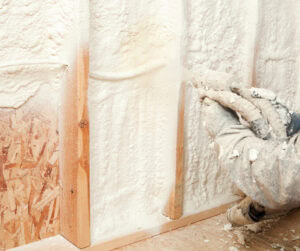
Spray foam insulation is revered for its remarkable versatility, making it a preferred choice for residential home insulation. This synthetic material is principally constituted of polyurethane and is available in open-cell and closed-cell, each bearing unique properties and uses.

Open-cell spray foam insulation is characteristically light, less dense, and highly flexible, allowing it to expand upon application, filling large spaces and adapting to structural changes over time. This ability to fill irregular spaces and awkward corners enhances a building’s energy efficiency.

In contrast, closed-cell spray foam is denser and more rigid, providing an impressive R-value per inch, thus offering superior insulation than its open-cell counterpart. Its additional moisture-resistant properties render it valuable against potential dampness and water damage.

Spray foam insulation is extensively employed in wall cavities, floors, ceilings, attics, and basements, effectively serving as a barrier against heat transfer and air leakage. In commercial buildings, spray foam is often deployed for exterior and roof insulation, benefiting from its superb thermal and moisture-resistant properties.

From an environmental standpoint, spray foam insulation greatly reduces energy consumption, decreasing CO2 emissions. It also has a long lifespan, thereby minimizing waste. Certain types of this insulation utilize eco-friendly blowing agents with a lower global warming potential.

Although the initial costs of spray foam insulation are higher than traditional insulation materials, its long-term financial benefits are undeniable. Property owners can expect reduced heat loss during winter and heat gain during summer, culminating in significantly lower energy bills. Its durability and lifespan also contribute to future repair and replacement cost savings, underlining its value as a long-term investment.

Delving into Attic Insulation

Attic insulation is a critical element of residential and commercial buildings, playing a vital role in maintaining a comfortable indoor environment and improving energy efficiency. The choice of material for attic insulation significantly influences its effectiveness, ease of installation, and compatibility with different types of attics.

Among the various materials employed, fiberglass, composed of ultra-fine glass fibers, is a lightweight yet durable option. It is available in pre-cut panels (batts), rolls, or loose fill that can be blown in. Another popular choice is cellulose, a plant-based material made from recycled paper products. Attics frequently benefit from using it as an eco-friendly insulation option. For improved fire resistance and soundproofing, mineral wool or rock wool, both byproducts of steel manufacturing, are excellent choices.

Attic insulation primarily serves as a thermal barrier between the conditioned living spaces below and the unconditioned attic above. This barrier is crucial in preventing heat gain during summer and heat loss during winter, thereby reducing energy costs. Additionally, insulation prevents condensation, potentially leading to mold growth and structural damage.

Attic insulation has significant environmental benefits, primarily by reducing energy consumption and, consequently, reducing a building’s carbon footprint. Materials such as cellulose from recycled paper products contribute to waste reduction.

On a financial level, attic insulation can provide substantial savings over time. The reduction in energy costs, coupled with the extension of the building’s roof lifespan (by preventing ice dam formation and reducing condensation), can significantly decrease maintenance costs.

Understanding Blown-In Insulation

Blown-in insulation is a versatile and practical solution that significantly enhances a building’s energy efficiency and comfort. Also known as loose-fill insulation, this method involves blowing or spraying insulation material into wall cavities, attics, and hard-to-reach areas using specialized equipment.

Blown-in insulation primarily involves the use of two materials: fiberglass and cellulose. Fiberglass insulation, created by spinning or blowing molten glass into fibers, is lightweight, non-combustible, and non-absorbent. In contrast, cellulose blown-in insulation, made from recycled paper products, is denser and treated with a fire retardant, which provides excellent soundproofing and thermal resistance.

Blow-in insulation is an adaptable solution suitable for various applications thanks to its ability to conform to space and fill in around obstacles. It’s ideal for attic spaces, close walls, and hard-to-reach areas. Its non-intrusive installation process makes it a popular choice for retrofitting older homes as well as new construction projects.

From an ecological perspective, cellulose blown-in insulation offers substantial benefits. It helps reduce waste by being made from recycled materials and lowers greenhouse gas emissions by enhancing energy efficiency. Despite higher initial costs, the reduction in heat transfer results in lower energy bills over time, offsetting the initial investment. Furthermore, the ease and speed of installation can significantly reduce labor costs, contributing to overall financial savings.

Championing Eco-Friendly Insulation for a Sustainable Future

Our exploration of eco-friendly insulation options illustrates the promising potential for transitioning to more sustainable practices within the construction industry. The benefits of spray foam, attic, and blown-in insulation extend far beyond their superior insulating properties, significantly contributing to environmental sustainability and financial savings.

By embracing these eco-friendly insulation types, we can align with the growing demand for sustainable construction practices and realize substantial financial benefits. Homeowners and builders can gain a deep understanding of these insulation types’ unique properties and benefits, enabling them to make informed decisions that align with their needs, values, and budgets.

This transition toward eco-friendly insulation in residential and commercial applications marks a significant step toward creating buildings that truly harmonize with our environment. With a comprehensive understanding of these insulation methods, we can guide our decisions today, laying the foundation for a sustainable future.

For residents seeking high-quality insulation services, Insulation in Ottawa offers a wide range of eco-friendly options tailored to meet your unique needs and specifications. As we continue championing a sustainable future, we invite you to join us by opting for eco-friendly insulation solutions in your residential or commercial property.

How Can Insulating Your Home Prevent Air Pollution?

indoor air quality

The Significance of Home Insulation for Preventing Air Pollution

Wondering how insulating your home can prevent air pollution? Home insulation is an essential aspect of creating a comfortable living environment. While insulation is commonly associated with maintaining a consistent temperature within the home, it also plays a crucial role in sustaining optimal indoor air quality. This article discusses the relationship between insulation materials and indoor air quality, offering expert advice to help homeowners make informed decisions for a healthier living environment.

The Importance of Indoor Air Quality

Indoor air quality directly impacts the health and well-being of a building’s occupants. With people spending a significant portion of their time indoors, it is crucial to prioritize indoor air quality. Various factors can affect indoor air quality, including outdoor air pollution, indoor sources of pollution, ventilation, humidity, and building materials such as carpets, paint, and insulation. A well-insulated home can effectively reduce the infiltration of outdoor pollutants and control humidity, contributing to improved indoor air quality.

how can insulating your home prevent air pollution?Insulation Materials and Their Impact on Indoor Air Quality
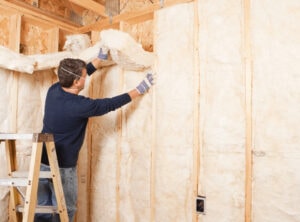
Different insulation materials offer unique properties and can influence indoor air quality in various ways. Some common insulation materials include fiberglass, cellulose, spray foam, and mineral wool.

Fiberglass insulation is cost-effective and widely used. However, it can release tiny fibers into the air, potentially causing respiratory irritation. To minimize this risk, homeowners should ensure proper installation and sealing of fiberglass insulation and consider using encapsulated products.

Cellulose insulation, made from recycled paper products, is an eco-friendly option. While effective in insulating homes, it can harbor mold and mildew if exposed to moisture. To address this issue, homeowners should opt for cellulose insulation treated with mold-resistant additives and ensure proper installation to prevent moisture intrusion.

Spray foam insulation offers excellent thermal performance and air-sealing capabilities, making it an ideal choice for energy-efficient homes. However, it’s essential to consider potential indoor air pollution concerns. How can insulating your home prevent air pollution? Some spray foam products may emit volatile organic compounds (VOCs) during and after installation, which can affect indoor air quality. To mitigate this risk, homeowners can opt for low-VOC spray foam products and ensure adequate ventilation during installation. This proactive approach ensures a healthier and more eco-friendly living environment.

Mineral wool insulation, derived from natural minerals, is fire-resistant and effective at insulating homes. Although it can release tiny fibers into the air, these fibers are typically larger than those from fiberglass insulation, reducing the likelihood of respiratory irritation. Homeowners should choose high-quality mineral wool products to minimize potential air quality issues.

Insulation in Different Climates and Building Types

The insulation requirements and best practices vary depending on the climate and building type. For instance, homes in colder climates require more insulation to maintain consistent indoor temperatures and prevent heat loss. In contrast, those in warmer climates may prioritize insulation materials with excellent moisture resistance to manage humidity.

When it comes to different types of buildings, like single-family homes, multi-unit buildings, and even commercial properties finding the best solution for that particular property’s insulation needs can be daunting. Determining which insulation strategies will work best for your building type can be overwhelming. In cases like these, it’s a good idea to consult with insulation professionals. They can help guide you to the best approach for your needs.

They will also ensure that your insulation is properly installed and maintained, improving indoor air quality, energy efficiency, and overall comfort. Don’t hesitate to seek advice from the pros to identify the most suitable insulation materials and strategies for your specific situation. Homeowners and building owners should consult insulation professionals to determine the most appropriate insulation materials and methods.

Innovative Insulation Materials and Technologies

Recent insulation materials and technological advancements can improve indoor air quality and energy efficiency. For example, vacuum insulated panels (VIPs) are high-performance insulating materials that offer excellent thermal resistance in a thin profile, making them suitable for space-constrained applications. Bio-based insulation materials, such as sheep’s wool or hemp insulation, are gaining popularity for their renewable nature and potential to improve indoor air quality. Furthermore, integrating phase-change materials (PCMs) with insulation systems can enhance thermal regulation by storing and releasing thermal energy, helping maintain consistent indoor temperatures and reducing the need for heating and cooling.

insulation ottawa

Cost-benefit Analysis of Different Insulation Materials

As a homeowner, choosing the right insulation material can be a perplexing task. Considering the cost, energy savings, indoor air quality improvement, and return on investment is important. For example, spray foam insulation, while more expensive upfront, offers excellent thermal performance and air-sealing capabilities, potentially resulting in significant long-term energy savings. On the other hand, cellulose insulation is an eco-friendly and cost-effective choice but may require additional measures to prevent mold and mildew growth. Homeowners should weigh the pros and cons of each insulation material to determine the best option for their needs and budget.

Common Insulation Mistakes and How to Avoid Them

Several common mistakes homeowners make when installing or maintaining insulation can negatively impact indoor air quality. These include:

Insufficient or uneven insulation: can result in drafts and temperature fluctuations, compromising indoor comfort and air quality. To avoid this issue, ensure proper installation and even distribution of insulation material throughout the home.

Ignoring air sealing: Gaps and cracks around windows, doors, and other openings can allow outdoor pollutants to enter the home. Seal these areas to improve insulation effectiveness and indoor air quality.

Poor ventilation: Combining insulation with adequate ventilation is crucial for maintaining optimal indoor air quality. Ensure that exhaust fans are installed in kitchens and bathrooms, and consider investing in a whole-house ventilation system or air-to-air heat exchanger.

The Role of Ventilation in Maintaining Indoor Air Quality

Proper ventilation is vital for maintaining a healthy indoor environment. A well-ventilated home allows for the exchange of indoor and outdoor air, reducing the concentration of indoor air pollutants and maintaining a healthy balance of humidity levels. Ventilation systems, such as exhaust fans in kitchens and bathrooms, whole-house ventilation systems, and air-to-air heat exchangers, can work with insulation to ensure a comfortable and healthy living environment.

nvest in Proper Insulation for a Healthier Living Environment

Home insulation is critical to maintaining indoor air quality, energy efficiency, and comfort. How can insulating your home prevent air pollution? By understanding the impact of various insulation materials on air quality, the unique requirements for different climates and building types, and the latest innovations in insulation technology, homeowners can make informed decisions to improve their indoor environment and protect their health. Proper insulation, adequate ventilation, and regular maintenance can significantly enhance indoor air quality, energy efficiency, and well-being. With the right insulation choices, homeowners can create a healthier and more sustainable living space for themselves and their families.

Stay informed and consult experts when deciding on your home insulation and indoor air quality. Investing in proper insulation and following recommended guidelines will ultimately lead to a healthier, more comfortable, and energy-efficient living space for you and your family.

Contact our team for a free estimate today.

A Homeowner’s Guide to Energy Savings and Comfort

insulation roof

Introducing Attic Insulation and Roofing: Your Home’s Dynamic Duo 

Your home’s attic insulation and roofing are crucial in determining its energy efficiency, comfort, and overall durability. These two components work together to create a barrier that protects your home from the elements while minimizing heat transfer. This article will delve into the importance of proper attic insulation and roofing, explore various material options, and provide valuable tips for achieving an energy-efficient, comfortable, and long-lasting home. By understanding the relationship between attic insulation and roofing, homeowners can make informed decisions and optimize their home’s performance, resulting in reduced energy consumption, enhanced indoor comfort, and a longer-lasting roof.

Attic Insulation and Roofing Materials

Different insulation materials provide varying levels of thermal resistance, with options such as fiberglass, cellulose, and spray foam insulation. The choice of roofing materials, including asphalt shingles, metal, or wood, also affects your home’s energy efficiency and durability. Consider these factors when choosing attic insulation and roofing materials:

Climate: Select insulation materials with the appropriate R-value for your climate, and consider the local weather conditions when choosing roofing materials.

Energy efficiency: Higher R-value insulation materials and energy-efficient roofing options can significantly reduce energy consumption and costs.

Durability: Opt for insulation and roofing materials that are durable and require minimal maintenance to ensure the longevity of your home’s building envelope.

Roof Maintenance

Regular roof maintenance is vital for its durability and effectiveness in protecting your home. The National Roofing Contractors Association (NRCA) recommends these steps to ensure your roof’s longevity:

Inspect your roof regularly: Conduct visual inspections at least twice a year, looking for signs of damage such as missing, cracked, or curling shingles. Regular inspections help you identify and address problems early on, minimizing the risk of more extensive damage.

Clean gutters and downspouts: Keeping your gutters and downspouts clear of debris ensures proper water drainage, preventing water from pooling on your roof and causing damage. This maintenance step helps extend the life of your roof and protect your home’s structural integrity.

Trim overhanging branches: Removing any overhanging branches near your roof prevents debris buildup and reduces the risk of damage from falling limbs during storms. This proactive measure safeguards your roof from potential damage and maintains its overall performance.

Check attic ventilation: Ensuring that your attic ventilation system is functioning correctly is crucial for preventing heat and moisture buildup in your attic, which can lead to roof damage and reduced insulation effectiveness. Proper ventilation promotes a healthy and energy-efficient home environment.

Address issues promptly: Addressing any signs of damage or wear on your roof immediately prevents further damage and maintains the integrity of your Ottawa roofing system. Timely repairs extend the life of your roof and protect your home from potential harm.

Upgrading Your Attic Insulation

The Department of Energy recommends considering the following factors when upgrading your attic insulation:

Determine the appropriate R-value: The R-value measures the thermal resistance of insulation material. Higher R-values provide better insulation. To determine the appropriate R-value for your home, consider your climate, the type of heating and cooling system you have, and the specific needs of your home. The Department of Energy provides an R-value map and recommendations to help homeowners make an informed decision. This helps ensure your home’s energy efficiency and comfort.

Choose the most suitable insulation material: There are various insulation materials available, including fiberglass, cellulose, and spray foam. Each material has its advantages and disadvantages, so it’s essential to research and consult with professionals to determine the best option for your home. The right material will significantly impact your home’s energy efficiency and comfort levels.

Consider adding a radiant barrier: A radiant barrier is a reflective material installed in your attic to reduce heat gain and improve the overall performance of your insulation. Radiant barriers are particularly beneficial in hot climates, where they can reduce cooling costs by blocking radiant heat from entering the attic. This addition helps homeowners in hot climates save on energy costs and maintain a more comfortable living environment.

Seal air leaks: Before adding new insulation, it’s essential to seal any air leaks in your attic. Air leaks can compromise the effectiveness of your insulation and allow conditioned air to escape, resulting in higher energy bills and a less comfortable home. Sealing air leaks improves insulation performance and contributes to a more energy-efficient home.

Hire a professional installer: While some homeowners may choose to install insulation themselves, hiring a professional installer ensures that the job is done correctly and safely. Professional installers have the experience, knowledge, and equipment necessary to optimize your insulation’s performance and help you achieve the best results for your home.

The Importance of Proper Attic Insulation and Roofing

Investing in proper attic insulation and roofing can offer numerous benefits to homeowners, including:

Energy savings: Effective attic insulation and roofing materials reduce heat transfer between your home and the outdoors, helping maintain comfortable indoor temperatures and reducing the need for heating and cooling. This translates to lower energy consumption and reduced utility bills.

Improved comfort: A well-insulated attic and efficient roofing system help maintain consistent indoor temperatures, reducing drafts and hot or cold spots in your home. This contributes to a more comfortable living environment for you and your family.

Increased home value: A home with proper attic insulation and roofing is more energy-efficient, durable, and comfortable, which can increase its value and appeal to potential buyers. This investment can pay off in the long run if you decide to sell your home.

Environmental benefits: By reducing your home’s energy consumption, you are contributing to a smaller carbon footprint and helping combat climate change. Investing in energy-efficient attic insulation and roofing materials is an eco-friendly choice that benefits not only your home but also the environment.

Conclusion

Proper attic insulation and roofing are essential for an energy-efficient, comfortable, and durable home. By considering factors such as climate, material choices, and maintenance, homeowners can optimize their home’s performance and enjoy numerous benefits, including energy savings, improved comfort, and increased home value. It’s important to seek professional advice and assistance when upgrading your attic insulation or roofing to ensure the best results and a long-lasting, high-performing home. Contact us to get your free quote today.


Debunking Myths About Home Insulation

Common Misconceptions About Home Insulation

Home insulation is a crucial aspect of ensuring your home stays comfortable and energy-efficient. Unfortunately, several misconceptions about insulation often lead to poor decisions regarding its installation and maintenance. In this article, we’ll debunk some of the most common misconceptions about home insulation and set the record straight. Keep reading to learn!

5 Misconceptions/ Myths About Home Insulation

The following misconceptions are common about home insulation:

Myth #1: More insulation is always better

While it’s true that insulation is essential to keep your home comfortable and energy-efficient, more insulation is not always better. The amount of insulation your home needs depends on various factors such as your location, climate, and the type of home you have. Installing too much insulation can lead to problems like moisture buildup and reduced air circulation, which can negatively impact your home’s indoor air quality. It’s crucial to work with a professional to determine the right amount of insulation your home needs.

Myth #2: All insulation is the same

Another common misconception is that all insulation is the same. In reality, there are different types of insulation available, each with its unique properties and benefits. For example, fiberglass insulation is commonly used in walls and attics, while spray foam insulation is ideal for sealing gaps and cracks. It’s essential to understand the differences between the types of insulation to choose the right one for your home.

Myth #3: Insulation doesn’t need maintenance

Many homeowners assume that once the insulation is installed, it doesn’t need any maintenance. However, insulation can deteriorate over time, which can lead to problems like air leaks and moisture buildup. Regular inspection and maintenance of your insulation can help identify and address these issues before they cause more significant problems.

Myth #4: Insulation can only improve energy efficiency

While it’s true that insulation can significantly improve your home’s energy efficiency, it’s not the only benefit it offers. Insulation can also help regulate your home’s temperature, reduce noise pollution, and improve indoor air quality by preventing moisture buildup.

Myth #5: DIY insulation is as effective as professional insulation

While DIY projects can be a fun and cost-effective way to improve your home, insulation installation is not one of them. Improper installation can lead to gaps and air leaks, which can reduce the effectiveness of your insulation. Hiring a professional to install your insulation can ensure that it’s done correctly, improving its effectiveness and reducing the risk of problems down the line.

Conclusion

In conclusion, home insulation is essential to keep your home comfortable and energy-efficient. By debunking common misconceptions about insulation, you can make informed decisions about its installation and maintenance. Remember that insulation needs to be installed correctly, maintained regularly, and the right type and amount for your specific home. If you’re unsure about your insulation needs, contact us to assess your home and recommend the best insulation options for you.

How to Ensure Your Home is Well-Insulated

Ensure Your Home is Well-Insulated

Imagine having a cozy and comfortable home all year round, regardless of the season. That’s possible with proper insulation! Insulation can make a significant difference in the comfort of your home, especially during extreme weather conditions. It not only helps regulate the temperature inside your home, but it also helps reduce your energy bills by preventing heat from escaping. So if you want to maximize your home’s comfort level, read on for six tips to ensure your home is well-insulated.

5 Tips to Ensure Your Home Is Well-Insulated

The following tips will help you ensure that your home is well-insulated:

Tip #1: Assess your current insulation

Before making any changes, it’s essential to assess your current insulation. Check the attic, walls, and floors to determine whether they are adequately insulated. You can hire a professional to inspect your home and recommend the best insulation options for your specific needs. Remember that insulation has an R-value, which measures its effectiveness in resisting heat flow. The higher the R-value, the better the insulation.

Tip #2: Insulate the attic

Heat rises, and an uninsulated attic can be a significant source of heat loss. Insulating the attic can help prevent this heat loss, keeping your home warmer during the colder months. Moreover, it can also prevent heat from entering during the hotter months, keeping your home cooler. Consider using fiberglass or cellulose insulation with a high R-value.

Tip #3: Seal air leaks

Air leaks can reduce the effectiveness of your insulation by letting warm or cold air escape from your home. Look for air leaks around windows, doors, and electrical outlets. Use caulk or weatherstripping to seal these leaks and prevent air from escaping. Not only will this improve the efficiency of your insulation, but it will also help reduce your energy bills.

Tip #4: Insulate the walls

Insulating the walls can help regulate the temperature inside your home and reduce noise from outside. If your walls are not already insulated, consider using blown-in insulation. This type of insulation is perfect for walls with no existing insulation. It can also be used to top up existing insulation, improving its R-value.

Tip #5: Insulate the floors

Insulating the floors can help prevent heat from escaping through the ground. This is particularly important for homes built over crawl spaces or basements. Consider using spray foam insulation or batt insulation to insulate your floors.

Tip #6: Hire a professional

Insulating your home can be a complicated process. It is best to hire a professional if you’re not confident in your abilities. They can help you assess your current insulation, recommend the best insulation options, and ensure that everything is installed correctly. They can also provide you with a cost estimate, so you know how much to budget for the project.

Conclusion

Maximizing your home’s comfort level is possible with proper insulation. By assessing your current insulation, insulating the attic, sealing air leaks, insulating the walls and floors, and hiring a professional, you can ensure that your home is well-insulated. So, contact us today to discuss your insulation needs and start maximizing your home’s comfort level!

Risks of DIY Home Insulation: Why Hire a Professional

risks of DIY home insulation

Are you a DIY enthusiast who is considering doing your home insulation? While DIY projects can be rewarding, certain tasks should be left to the professionals, and home insulation is one of them. Insulating your home is crucial for maintaining a comfortable and energy-efficient living space, but it can also be dangerous and time-consuming. In this blog, we will outline the four risks of DIY home insulation and give you four reasons why hiring a professional is important.

3 Potential Risks of DIY Home Insulation

DIY home insulation has the following risks:

Risk #1: Exposure to Harmful Chemicals

Insulation materials are made of different chemicals that can be harmful if inhaled or touched. Fiberglass insulation, for example, contains tiny particles that can irritate your skin, eyes, and respiratory system. Spray foam insulation can also be dangerous if not applied correctly, as it contains chemicals that can cause respiratory problems. 

Risk #2: Structural Damage

Insulation is not just about adding materials to your walls or attic. It involves proper preparation and installation to ensure that the insulation does not cause any structural damage to your home. When installing insulation, it’s important to consider the weight and location of the materials. Too much weight can cause your ceiling or walls to sag while installing insulation in the wrong areas can create moisture problems. 

Risk #3: Inadequate Insulation

Improperly installed insulation can lead to inadequate insulation, which can result in higher energy bills and less comfortable living space. Insufficient insulation can also cause moisture problems, leading to mold growth and other issues.

3 Reasons Why Hiring a Professional is Important

The following reasons justify the importance of a professional insulator:

Reason #1: Professional Expertise

Insulation contractors have years of experience and training in installing various types of insulation materials. They know how to choose the right type of insulation for your home and install it properly, ensuring that your home is properly insulated and energy-efficient. A professional contractor will also ensure that your insulation is installed according to the manufacturer’s specifications, preventing any future problems.

Reason #2: Safety

A professional contractor has the necessary safety equipment and training to work in these conditions, ensuring that the job is done safely and efficiently. Hiring a professional contractor also means that you won’t have to climb up into your attic or crawl spaces, reducing the risk of falls or other accidents.

Reason #3: Time and Money Savings

Hiring a professional insulation contractor may seem like an added expense, but it can save you money in the long run. A professional contractor has the necessary tools and equipment to get the job done quickly and efficiently, saving you time and hassle. 

In conclusion, while DIY projects can be fun and rewarding when it comes to home insulation, it’s best to leave it to the professionals. Hiring a professional insulation contractor will ensure that your home is properly insulated, energy-efficient, and safe. So, if you’re thinking about insulating your home, contact us today to schedule a consultation with our team of expert insulation contractors.

Which Home Insulation Is Right For Your Home?

different type of home insulation

Are you tired of high energy bills during the summer and winter months? Do you find it difficult to maintain a comfortable temperature in your home? If you answered yes to either of these questions, it may be time to consider adding insulation to your home. Insulation is a crucial component in reducing energy consumption and maintaining a comfortable indoor environment. However, with so many different types of insulation available, it can be difficult to determine which is the right fit for your home. In this article, we will explore the different types of home insulation and help you make an informed decision.

5 Major Types of Home Insulation

Following are the five major types of home insulation:

1. Fiberglass Insulation

Fiberglass insulation is a common type of insulation. It is made of tiny glass fibers and comes in batts or rolls. This type of insulation is easy to install and is typically used in walls, ceilings, and floors. Fiberglass insulation has a high R-value, which means it is an effective insulator.

2. Cellulose Insulation

Cellulose insulation is made from recycled paper products and is a popular option for homeowners who are looking for an eco-friendly insulation option. This type of insulation is blown into walls, ceilings, and floors and is an effective insulator. Cellulose insulation is also treated with fire-retardant chemicals, making it a safe option for your home.

3. Spray Foam Insulation

Spray foam insulation is a versatile option that can be used on walls, ceilings, and floors. This type of insulation is made of polyurethane foam and is sprayed into place. Spray foam insulation is an effective insulator and can help reduce energy consumption. However, it is more expensive than other types of insulation and should be installed by a professional.

4. Radiant Barrier Insulation

Radiant barrier insulation is a reflective insulation that is installed in the attic. It is made of a reflective material that reflects heat away from your home. Radiant barrier insulation is an effective way to reduce energy consumption and maintain a comfortable indoor temperature.

5. Rigid Foam Insulation

Rigid foam insulation is a durable option that can be used in walls, roofs, and foundations. This type of insulation is made of polystyrene or polyurethane foam and has a high R-value. Rigid foam insulation is an effective way to reduce energy consumption and prevent air leaks.

Which Home Insulation is Right for Your Home?

Choosing the right insulation for your home can be a daunting task, but it ultimately depends on your specific needs and budget. If you are looking for a cost-effective and easy-to-install option, fiberglass insulation may be the way to go. However, if you want to reduce your environmental impact, cellulose insulation may be the right choice for you. Spray foam insulation is a versatile and effective option but comes at a higher cost. Radiant barrier insulation is ideal for those looking to reduce heat gain in their attic, while rigid foam insulation is perfect for those seeking durability and high R-value. Consider your priorities and consult with a professional to determine which type of insulation is right for your home.

For more information, contact us anytime, we are available to help.