When it comes to insulation, one size does not fit all. Your choice of insulation material has a significant impact on energy efficiency, comfort level, and long-term maintenance costs. Whether you’re building new, renovating, or looking to improve your thermal performance, understanding the differences between insulation types is essential to making an informed decision.
In this post, we’ll compare four popular insulation materials: fibreglass, cellulose, spray foam, and mineral wool. We’ll examine the pros and cons of each, discuss their ideal applications, and help you understand which option might be best for your specific needs.
Fiberglass Insulation
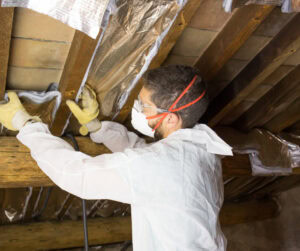
Fiberglass insulation is made from fine strands of glass woven into a blanket-like material. It comes in batts or rolls and can be cut to fit standard wall cavities and attic spaces. It remains the go-to choice for homeowners and contractors due to its ease of installation and affordability.
Pros of Fiberglass Insulation:
- Affordable: Fiberglass is one of the most budget-friendly insulation options available, making it accessible for homeowners with tight budgets.
- Fire-Resistant: Fiberglass is treated with fire-retardant chemicals, providing an important safety layer in case of fire.
- Easy Installation: Batts and rolls can be cut and fitted into standard spaces, making them suitable for DIY projects in some cases.
- Widely Available: You’ll find fiberglass insulation at virtually every home improvement store.
- Decent R-Value: Standard fiberglass batts provide R-3 to R-3.8 per inch, suitable for many applications.
Cons of Fiberglass Insulation:
- Can Absorb Moisture: If exposed to water or excess humidity, fiberglass can absorb moisture and lose effectiveness, leading to mold growth.
- Settling Over Time: Gravity causes fiberglass to settle, reducing its insulation value, especially if not installed correctly.
- Requires Protective Equipment: Fiberglass fibers can irritate skin and lungs, so gloves and long sleeves are necessary during handling.
- Air Gaps: If not installed precisely, it leaves air gaps that reduce overall efficiency.
Best Use Case: Fiberglass works well for standard attic insulation, wall cavities, and basement rim joists where moisture exposure is minimal and professional installation can ensure proper fit.
Cellulose Insulation:
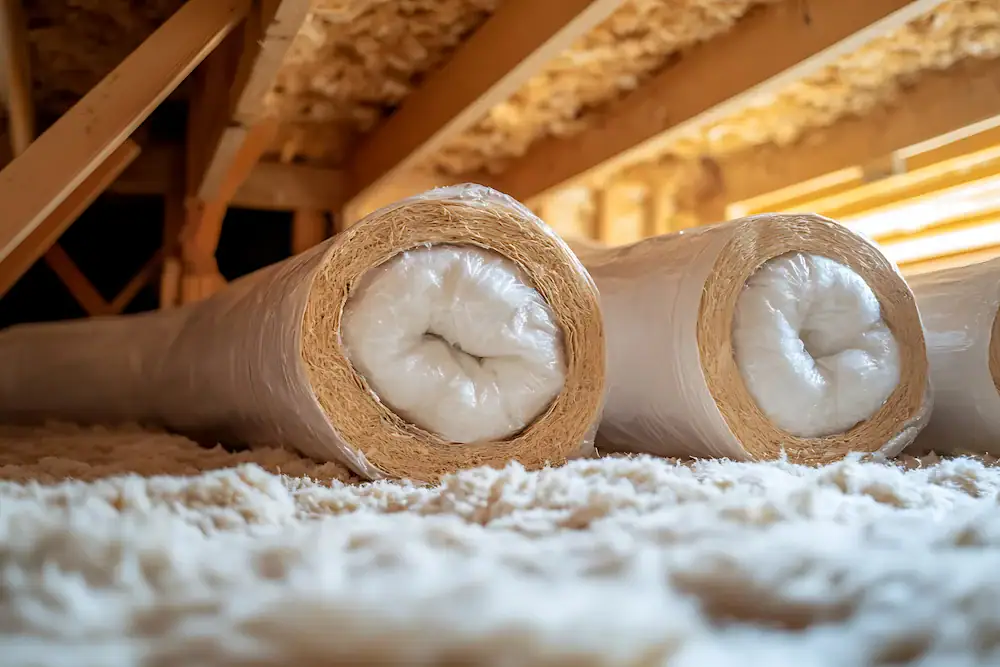
Cellulose insulation is made from recycled paper products, primarily newsprint and cardboard. It’s treated with fire-retardant and pest-deterrent chemicals, then blown into walls and attics using specialized equipment. Its eco-friendly composition and excellent coverage make it a popular choice for retrofitting and energy-conscious homeowners.
Pros of Cellulose Insulation:
- Environmentally Friendly: Made from recycled materials, cellulose reduces waste and supports sustainability.
- Excellent R-Value: Cellulose provides R-3.2 to R-3.8 per inch, comparable to fibreglass but with better air sealing.
- Superior Coverage: Blown-in cellulose fills irregular spaces and cavities completely, eliminating gaps.
- Sound Dampening: Cellulose absorbs sound better than fiberglass, improving acoustic comfort.
- Affordable: Generally less expensive than spray foam, though slightly more than fiberglass.
Cons of Cellulose Insulation:
- Moisture Sensitive: Cellulose absorbs moisture readily and can develop mold if exposed to damp conditions.
- Lower Fire Rating: Although treated with fire retardants, cellulose is more flammable than mineral wool or spray foam.
- Can Settle: Over time, cellulose may compact and settle, reducing effectiveness.
- Requires Professional Installation: Blown-in cellulose requires specialized equipment and trained technicians.
- Pest Concerns: While treated with pest deterrents, some homeowners worry about rodent attraction to paper-based materials.
Best Use Case: Cellulose is ideal for retrofitting existing homes, attics, and wall cavities where air sealing and acoustic improvement are desired. It works best in dry climates or areas with good moisture control.

Spray Foam Insulation
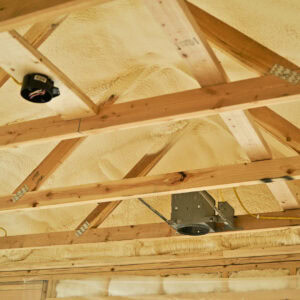
Spray foam insulation is created from liquid chemicals that expand and harden when applied. It creates an airtight seal and bonds to surfaces, filling gaps and cavities completely. Available in open-cell and closed-cell varieties, spray foam offers the highest R-value per inch of any common insulation material.
Pros of Spray Foam Insulation:
- Highest R-Value: Closed-cell spray foam provides R-6 to R-7 per inch, significantly outperforming other materials.
- Superior Air Sealing: Expands to fill every gap and crack, creating an exceptional thermal and air barrier.
- Moisture Resistant: Closed-cell foam resists moisture, making it ideal for basements, crawl spaces, and high-moisture areas.
- Long-Lasting: Spray foam doesn’t settle or degrade over time when properly installed.
Structural Support: Adds rigidity to walls and roofs, contributing to building integrity.
Cons of Spray Foam Insulation:
- Higher Cost: Spray foam is the most expensive insulation option, sometimes 2-3 times the cost of fibreglass.
- Requires Professional Installation: Application demands specialized equipment and trained technicians; DIY is not recommended.
- VOCs During Application: Off-gassing of volatile organic compounds during and shortly after installation can be a concern.
- Difficult to Remove: Once cured, spray foam cannot be easily removed if changes are needed.
Best Use Case: Spray foam excels in new construction, basement finishing, crawl spaces, and any project where maximum insulation and air sealing are priorities. It’s especially valuable in tight or irregular spaces.

Mineral Wool Insulation
Mineral wool (also called rock wool or slag wool) is made from natural minerals or industrial byproducts that are melted and spun into fibrous material. It comes in batts, rolls, or loose-fill forms and is increasingly popular for its fire resistance and durability.
Pros of Mineral Wool Insulation:
- Excellent Fire Resistance: Mineral wool has a higher fire rating than all other common insulations, making it ideal for fire-rated applications.
- Moisture Resistant: Doesn’t absorb water, making it suitable for basements and damp areas.
- Sound Dampening: Excellent acoustic properties reduce noise transmission.
- Good R-Value: Provides R-3.2 to R-4.2 per inch, competitive with cellulose and fiberglass.
- Pest Resistant: Not attractive to rodents or insects.
Cons of Mineral Wool Insulation:
- Higher Cost: More expensive than fiberglass and cellulose, though less than spray foam.
- Professional Installation Preferred: While possible as a DIY project, blown-in mineral wool usually requires professionals.
- Heavy: Heavier than other insulation types, which can be a consideration during installation.
Best Use Case: Mineral wool is ideal for basements, commercial applications, areas requiring fire ratings, and projects where sound control is important. It’s also excellent for homeowners prioritizing durability and pest resistance.
Frequently Asked Questions: Insulation Types
What is R-value and why does it matter?
R-value measures insulation’s thermal resistance (how well it prevents heat transfer). The higher the R-value per inch, the better the insulation performs. Different materials have different R-values, so comparing them helps determine which provides the best efficiency for your needs. Climate and the area being insulated (attic, walls, basement) determine how much R-value you need.
Can I mix different types of insulation in my home?
Yes, you can use different insulation types in different areas. Many homes combine fiberglass in walls with spray foam in basements or cellulose in attics. The key is choosing the right type for each specific application. A professional can recommend the best combination for your home’s needs and budget.
How long does insulation last?
Most insulation lasts 80+ years if properly installed and maintained. Fiberglass may settle over time and lose some effectiveness, while spray foam and mineral wool tend to maintain performance longer. Moisture damage, pest intrusion, or improper installation can reduce lifespan. Regular inspection helps catch issues early.
Is one insulation type better for cold climates like Ottawa’s?
In cold climates with freeze-thaw cycles, moisture resistance becomes critical. Spray foam and mineral wool handle moisture better than fiberglass or cellulose. However, proper installation with vapor barriers is equally important regardless of the material chosen. Climate should be one factor in your decision, but not the only one.
Can I install insulation myself, or do I need a professional?
Fiberglass batts are the most DIY-friendly option. Cellulose, spray foam, and mineral wool blown-in installations require specialized equipment and training – professional installation is recommended. Even with DIY-friendly materials, improper installation significantly reduces effectiveness. When in doubt, hire a professional to ensure optimal performance.
Which insulation type is most eco-friendly?
Cellulose is made from recycled paper, making it the most environmentally friendly option. Mineral wool uses natural or recycled materials. Fiberglass and spray foam have larger environmental footprints but can offset this through superior energy savings over their lifespan. Your choice should balance environmental impact with performance and durability.
What’s the best insulation for a basement or crawl space?
Spray foam and mineral wool are best for basements and crawl spaces because they resist moisture effectively. Fiberglass absorbs moisture and can develop mold in damp areas. Cellulose is not recommended for below-grade spaces. Moisture control is essential in these areas, making closed-cell spray foam or mineral wool the top choices.
Talk to an Insulation Professional Today
There is no single “best” insulation type for every situation. The right choice depends on your budget, the area you’re insulating, your climate, and your specific goals. What works perfectly for an attic renovation might not be ideal for a basement or crawl space.
This is why a professional assessment is invaluable. An experienced insulation contractor can evaluate your home’s current insulation, identify problem areas, discuss your goals and budget, and recommend the best solution for your specific needs.
At Ottawa Insulations, we specialize in all four insulation types and have the expertise to help you make the best choice for your project. Whether you’re looking to improve energy efficiency, upgrade comfort, or address moisture issues, we can assess your home and provide a customized recommendation. Contact us today for a free estimate and to help you choose the right insulation.