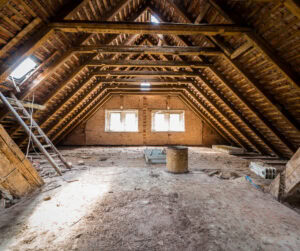
There’s nothing more frustrating than a home that’s too cold in the winter or unbearably hot in the summer. Many homeowners assume the problem is with their heating and cooling systems, leading them to spend thousands on unnecessary repairs and replacements. The real culprit just may be inadequate insulation.
Proper insulation is one of the most cost-effective investments you can make in your home. It keeps conditioned air inside where it belongs, reduces your energy bills, enhances comfort, and can even boost your property value. The key is working with professional insulation contractors who know how to assess your home properly, select the right materials, and install them correctly.
What Do Insulation Contractors Do?
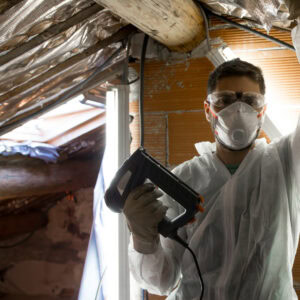
Insulation contractors are skilled professionals who specialize in assessing, installing, and maintaining thermal insulation systems for residential, commercial, and industrial properties. They work alongside HVAC specialists, builders, and property owners to create energy-efficient buildings that maintain consistent temperatures year-round.
Beyond installation, insulation contractors:
- Conduct thorough home energy audits to identify problem areas and heat loss
- Recommend appropriate insulation types based on your climate, home structure, and budget
- Handle specialized materials including spray foam, fibreglass batts, cellulose, and mineral wool
- Seal air leaks and gaps that would otherwise undermine insulation effectiveness
- Install insulation in attics, crawl spaces, basement walls, pipes, and HVAC ducts
- Ensure proper ventilation and moisture management to prevent mold and structural damage
Common Problems Solved by Professional Insulation Contractors
Inconsistent Room Temperatures & Drafts
Unexpectedly High Energy Bills
Moisture, Condensation & Humidity Problems
Ice Dams & Frozen Pipes
Pest & Pest Entry Prevention
Why Hire Professional Insulation Contractors?
While DIY insulation installation might seem like a way to save money, professional contractors deliver significant advantages:
Proper Installation Ensures Performance
Insulation R-values (thermal resistance) are only achieved with correct installation. Gaps, compression, and improper placement all reduce effectiveness. Professionals guarantee the insulation performs as rated.
Safety & Building Code Compliance
Installing insulation involves working at heights, handling potentially hazardous materials, and ensuring compliance with local building codes. Contractors carry insurance, follow safety protocols, and understand regulations—protecting both you and your home.
Expertise with Hazardous Materials
Older homes may contain asbestos insulation, which poses serious health risks if disturbed. Only trained professionals should handle asbestos removal and disposal.
Specialized Equipment & Tools
Blown-in insulation, spray foam, and other advanced installation methods require specialized equipment that most homeowners don’t own. Contractors have the right tools for the job.
Warranties & Guarantees
Reputable contractors stand behind their work with warranties on both materials and labour. This gives you peace of mind and protection if issues arise.
Types of Insulation & When to Use Them
Fibreglass Batts & Rolls
Cellulose Blown-In Insulation
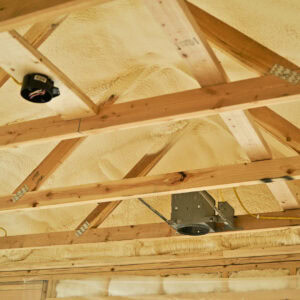
Spray Foam Insulation
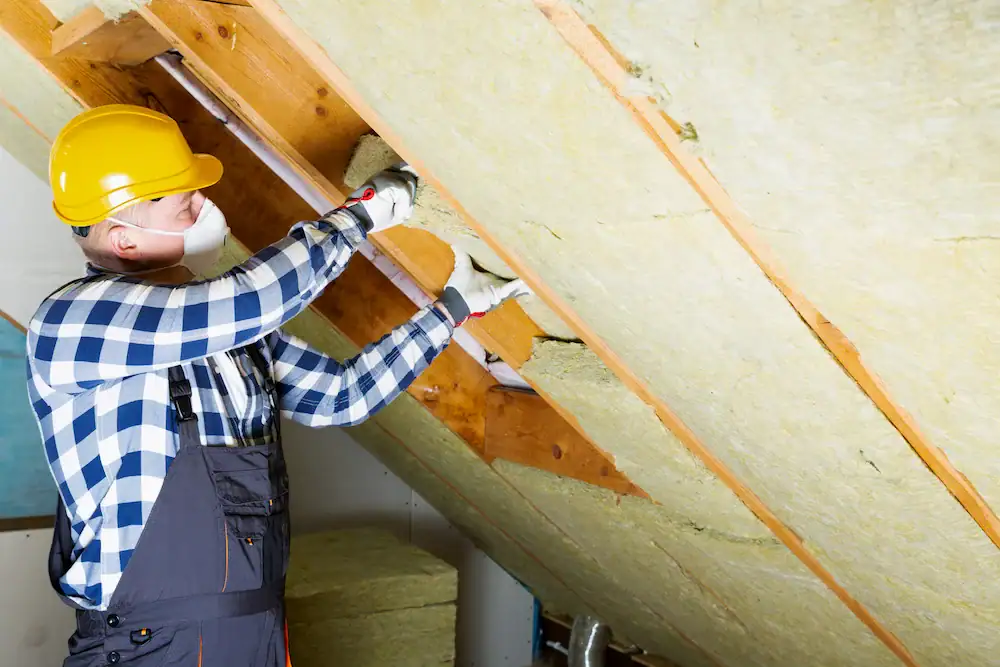
Mineral Wool (Rock & Slag Wool)
How to Find & Choose Insulation Contractors Near You
Not all contractors are created equal. When hiring an insulation contractor, vet them thoroughly by asking the right questions.
What Options Do You Offer for Insulation Materials?
A good contractor should explain all available options and recommend the best solution for your specific needs, climate, and budget. Be wary if they only push one type of insulation.
Do They Have a License to Work in Your Province?
Verify they hold valid Ontario licenses to operate in your area. A professional contractor should easily provide proof of current licensing.
What’s Their Warranty Policy?
Ask about coverage for both materials and labour, how long warranties last, and what happens if issues arise after installation. Reputable contractors stand behind their work.
How Familiar Are They With Federal and Provincial Building Codes?
Contractors must understand Ontario Building Code requirements and federal regulations. They should explain how their installation meets these standards, including fire ratings, R-values, and ventilation requirements.
Check Their Customer Reviews and References
Read verified reviews on Google, Yelp, and the Better Business Bureau. Ask for references from recent projects and contact them directly. Previous customer experiences are invaluable for assessing the right fit.