If you’re thinking about spray foam insulation for your Ottawa home, you’re probably wondering about cost. In Ontario, spray foam generally ranges from $0.44 to $8 per square foot. Why such a wide range? It comes down to a few key factors.
First, the type of foam you choose. Open-cell foam is the more budget-friendly option, typically $0.44 to $3 per square foot, while closed-cell foam is more expensive, running $1.55 to $8 per square foot. Beyond the type of foam, other factors like your home’s location, how easy it is to access the spaces, and the overall complexity of the project can all affect the total cost.
In this guide, we’ll break down the factors that drive pricing, give you realistic expectations, and help you figure out whether spray foam is the right investment for your home.
Open-Cell Spray Foam
Open-cell spray foam has a softer, less dense structure and is generally the more affordable option. It is best suited for interior walls and attic spaces where moisture control is not a primary concern. Open-cell foam provides a moderate R-value of approximately R-3.5 to R-3.8 per inch and allows some moisture vapor transmission, which can be beneficial in certain applications.
What is Spray Foam Insulation?
Spray foam insulation is a polyurethane-based material that is applied as a liquid and expands into a solid foam. It forms a seamless, airtight barrier that fills cracks and gaps in walls, floors, and ceilings. Unlike traditional insulation such as fiberglass or cellulose, spray foam provides a continuous layer that helps control air movement and maintain consistent comfort in Ottawa’s hot summers and cold winters. For homeowners who are new to spray foam, understanding the different types is an important step in determining which option is best suited for your home.Open-Cell vs Closed-Cell: Which Spray Foam Is Right for You?
Not all spray foam insulation is the same. There are two primary types, each with different characteristics, performance levels, and price points. Understanding the differences between open-cell and closed-cell spray foam will help you choose the option that best suits your home and budget.Open-Cell Spray Foam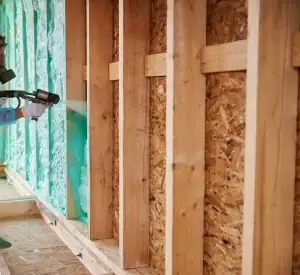
Open-cell spray foam has a softer, less dense structure and is generally the more affordable option. It is best suited for interior walls and attic spaces where moisture control is not a primary concern. Open-cell foam provides a moderate R-value of approximately R-3.5 to R-3.8 per inch and allows some moisture vapor transmission, which can be beneficial in certain applications.
Closed-Cell Spray Foam
Closed-cell spray foam is denser and more rigid, offering a higher R-value per inch, typically R-6 to R-6.5. It provides excellent moisture resistance and structural rigidity, making it ideal for basements, crawlspaces, attics, and exterior walls that are exposed to outdoor moisture. Closed-cell foam also delivers superior air sealing and a strong moisture barrier, making it a premium option for homes where energy efficiency and long-term protection are priorities. Choosing the right type of spray foam comes down to the location of the installation, the level of moisture control needed, and your budget. In many cases, a professional assessment can help determine which option will provide the best combination of performance and value for your home.Factors Affecting Spray Foam Installation Cost in Ottawa
Knowing what drives spray foam insulation costs can help you plan your budget and make smart decisions for your home. Several key factors influence the overall cost, including the size of the space, type of foam, R-value requirements, accessibility, and prep work. Here’s a closer look at each one.Size of Space
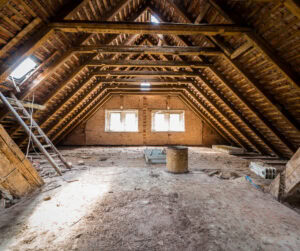
The total square footage is the biggest driver of cost. The larger the area you need to insulate, the more material and labour you’ll need. For example, a small attic project of 500 square feet will cost significantly less than a full-home application. Most insulation contractors will conduct a site visit to measure the space before providing an estimate.Type of Spray Foam
As we mentioned earlier, the type of foam used also affects the overall cost. Open-cell is generally the more affordable option, while closed-cell comes at a higher price due to its density, insulation performance, and moisture resistance. Many homeowners choose a hybrid approach, using open-cell in interior areas and closed-cell in spaces where moisture control or added rigidity is important.R-Value Requirements
R-value measures how well insulation resists heat flow. In Ottawa, recommended R-values vary depending on the application: attics typically require R-50 to R-60, exterior walls R-20 to R-25, and basements or crawl spaces R-15 to R-30. Higher R-values require thicker foam layers, which increases both material and labour costs. Local building codes, your current insulation levels, and an energy audit can all help determine the optimal R-value for your home.Accessibility and Prep Work
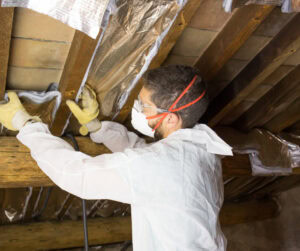
Hard-to-reach areas like crawl spaces, tight attic corners, or narrow wall cavities can take longer to insulate, which adds to labour costs. If your existing insulation is old, wet, or moldy, it should be removed first. While removal adds upfront cost, it ensures the new insulation sticks properly and performs as it should.Other Factors That Can Affect Cost
- Climate and seasonal factors: Spray foam installation is sensitive to temperature and humidity, so some contractors may adjust pricing depending on the time of year.
- Complexity of the project: Oddly shaped spaces, multiple stories, or intricate framing can add to labor costs.
- Local regulations and permits: Some projects may require inspections or compliance with specific building codes, which can affect cost.
Understanding these factors gives you a clearer idea of what to expect and helps you make decisions that balance performance and cost.