Keeping your home comfortable and energy-efficient year-round starts with good insulation. For many Ottawa homeowners, cellulose insulation is a popular choice. Made from recycled paper and plant fibres, it’s a sustainable and affordable way to improve the thermal performance of your home. It helps keep you warm in the winter and cool in the summer while reducing your environmental impact.
If you’re thinking about upgrading your insulation, cellulose is definitely worth considering. In this post, we’ll explore how it works, the key benefits, and when it’s the right choice for your home.
What is Cellulose Insulation?
Cellulose insulation is made from recycled paper products, primarily newspapers. It typically contains 75 to 85 percent recycled content, making it one of the most environmentally friendly insulation options on the market.
The remaining 15 to 25 percent consists of non-toxic fire retardant treatments and other additives that help protect against fire, mold, and pests.
Most commonly used in walls and attics, cellulose insulation forms a protective barrier that helps regulate your home’s indoor temperature.
How Cellulose Insulation Works
By trapping air within its dense fibre structure, cellulose insulation slows the transfer of heat in your home. During installation, the fibres interlock and compress, creating a thermal barrier by filling small gaps around wiring, pipes, and irregular framing that other insulation types may miss. This complete coverage means better temperature control year-round.
Installation Methods
Cellulose insulation can be installed in several ways, depending on your home and application:
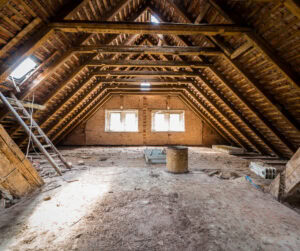
- Blown-In Attic Insulation: Specialized equipment blows cellulose into open attic spaces, creating a uniform layer that covers joists and fills around obstructions.
- Dense-Pack Wall Insulation: Ideal for existing homes, blown-in cellulose is densely packed into wall cavities without removing drywall.
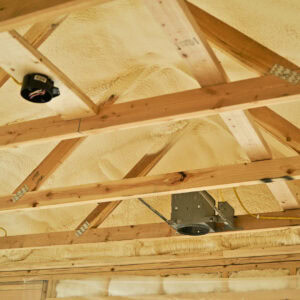
- Wet-Spray Application: Used in new construction, water is added during installation so the cellulose adheres to wall cavities before drywall is installed.
The right method depends on your home’s structure and whether you’re upgrading an existing home or building new. A professional installer can recommend the best approach for your situation.

Benefits of Cellulose Insulation
Cellulose insulation offers several key benefits that make it a smart choice for Ottawa homeowners.
Superior Energy Efficiency
Cellulose fills gaps and hard-to-reach areas where other insulation types might leave air pockets, preventing drafts and reducing heat loss in winter and heat gain in summer. The result is a consistently comfortable home and noticeably lower heating and cooling costs year-round.
Environmentally Friendly
Made from up to 85 percent recycled paper, cellulose insulation is one of the most sustainable insulation materials available. It keeps waste out of landfills and requires less energy to manufacture than fibreglass or foam products.
Fire, Mold, and Pest Resistance
Cellulose insulation is treated with non-toxic fire retardants that also protect against mold, insects, and rodents. These additives ensure the insulation remains safe, durable, and effective throughout its lifespan.
Excellent Soundproofing
The dense makeup of cellulose insulation absorbs sound effectively, minimizing noise transfer between rooms and from outside. This makes it an excellent option for bedrooms, home offices, and multi-unit buildings.
Understanding Cellulose R-Value
R-value measures how well insulation resists heat flow; the higher the number, the better it insulates. Cellulose insulation has an R-Value of approximately R-3.6 to R-3.8 per inch, making it one of the most cost-effective options.
In Ottawa’s climate, building codes typically recommend R-49 to R-60 for attics and R-20 for exterior walls. This usually means installing around 13–16 inches of cellulose in attics and 5–6 inches in walls.
While R-Value is important, it doesn’t tell the whole story. Real-world performance also depends on proper installation. When done right, cellulose insulation fills gaps and irregular spaces completely and performs better than batt insulation with the same R-Value.
Frequently Asked Questions About Cellulose Insulation
Yes. Cellulose provides excellent thermal performance, reduces drafts, and improves comfort year-round. Its dense fibers also help with soundproofing, fire resistance, and pest control, making it a highly effective insulation option.
Both materials have their advantages. Fiberglass is widely available, easy to handle, and often less expensive, but it can leave gaps and doesn’t provide the same soundproofing. Cellulose has a higher R-value per inch, better air sealing properties, superior sound absorption, and is made from recycled materials, making it more environmentally friendly.
While cellulose insulation has many benefits, some potential downsides include higher installation costs compared to fiberglass batts, professional installation requirements for best performance, and sensitivity to moisture if leaks are present. Improper installation can also lead to settling or uneven coverage.
Cellulose can absorb moisture if exposed to leaks or high humidity, but the fire retardant treatment inhibits mold growth. If it becomes wet, it should be allowed to dry completely or be replaced to prevent issues. Proper ventilation and addressing air leaks during installation help prevent moisture problems.
Yes. Cellulose is treated with non-toxic fire retardants and does not contain formaldehyde or volatile organic compounds (VOCs). Once installed, it does not off-gas, ensuring safe indoor air quality.
When properly installed, cellulose insulation can last 20–30 years or longer. Its thermal performance remains stable over time, and the fire retardant treatment continues to protect against mold and pests.
Costs vary based on home size, attic accessibility, and project scope, but cellulose is typically competitive with fiberglass and less expensive than spray foam. Proper installation ensures the best return on investment through energy savings.
While homeowners can rent blowing equipment, professional installation is strongly recommended. Achieving proper density, even coverage, and adequate air sealing requires experience and specialized equipment. Improper installation can reduce performance.
Yes. The dense fibers absorb sound, reducing noise transfer between floors, rooms, and from outside sources, making it ideal for multi-unit homes, bedrooms, and home offices.
Professional Cellulose Insulation in Ottawa
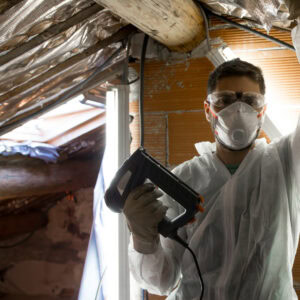
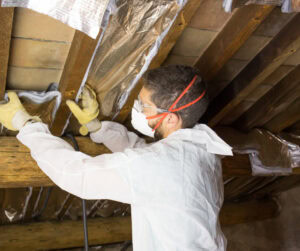
Proper installation is key to achieving optimal energy efficiency, comfort, and long-term performance. While some homeowners may attempt DIY installation, Ottawa Insulation has the training, equipment, and experience to ensure:
- Proper density and coverage in attics and walls
- Correct handling around wiring, pipes, and obstacles
- Compliance with building codes and ventilation requirements
- Minimal disruption to your home during installation
If you’re considering upgrading your home’s insulation, contact us today to learn more about cellulose insulation in Ottawa and discuss the best approach for your home’s structure, budget, and energy efficiency goals.