When it comes to insulation, one of the most important factors to consider is R-Value. This rating measures how well your insulation resists heat flow. It directly impacts both your energy bills and the comfort of your home.
In Ottawa’s climate, where winters are long and summers can be warm, choosing the right R-Value can make a measurable difference in how much you spend to heat your home. The ideal R-Value depends on where you live, which part of your home you’re insulating, and the age of your home.
In this post, we’ll walk you through what R-Value means, how to interpret it when comparing options, and the recommended levels for different parts of your home.
What Is an R-Value?
R-Value, short for resistance value, measures how effectively insulation slows the transfer of heat. The higher the R-Value, the better the insulation performs.
The key things to understand about R-Value are:
- R-Values from multiple layers can be added together to calculate total thermal resistance.
- Different insulation materials provide different R-Values per inch.
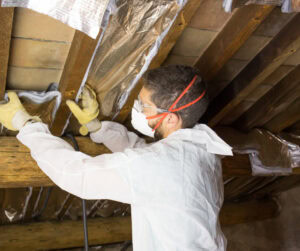
- Proper installation is critical; compressed or uneven insulation will reduce R-Value performance.
In simple terms, a higher R-Value means less heat escapes in the winter and less heat enters in the summer, keeping your home comfortable while reducing your energy bills.
What R-Value Do I Need?
The ideal R-Value depends on where the insulation is installed and your climate zone. In Ottawa and other cold regions, higher R-Values are recommended to maximize energy efficiency and comfort year-round.
Recommended R-Values by Area:
- Attics: R-49 to R-60
Attics require the highest R-Values because warm air rises and can escape through the roof. Proper attic insulation is critical for year-round comfort. - Exterior walls: R-13 to R-23
Walls typically need moderate insulation to reduce heat loss while maintaining cost efficiency. - Basements and crawl spaces: R-10 to R-20
Lower R-Values are often sufficient here, though insulating these areas can prevent cold floors and moisture issues.

R-Value by Climate Zone
Typical R-Values by Climate:
- Cold climates: Attic R-49 to R-60, Exterior walls R-19 to R-24
- Moderate climates: Attic R-38 to R-49, Exterior walls R-13 to R-19
- Warm climates: Attic R-30 to R-38, Exterior walls R-13 to R-15
R-Values in Ontario
Canada does not have a single universal R-Value standard. Instead, provincial building codes set minimum requirements based on climate conditions. Ontario’s climate varies significantly, from milder southern regions to much colder northern areas, which affects insulation needs. The Ontario Building Code (OBC) sets these minimums:- Southern Ontario (Ottawa, Toronto, London): Attic R-60, Exterior walls R-22
- Northern Ontario (Sudbury, Thunder Bay, Timmins): Attic R-60+, Exterior walls R-22 to R-24
- Basements and crawl spaces: R-20 for below-grade walls across Ontario
R-Value and Insulation Thickness
The R-Value you achieve depends on both the type and depth of insulation you install. Different materials provide different thermal resistance per inch, so you’ll need varying thicknesses to reach your target R-Value.
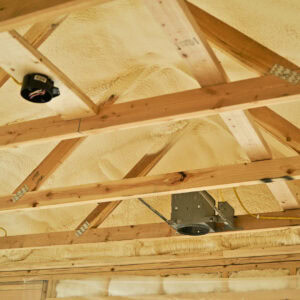
For example, to achieve an R-Value of R-60 in your attic, you might need 18-20 inches of fiberglass insulation, but only 15-16 inches of cellulose, or just 10 inches of spray foam. Understanding these differences helps you select the right insulation material for your home.
Insulation Type Comparison:
Insulation Type | R-Value per Inch | Cost Level | Typical Use |
|---|---|---|---|
Fiberglass Batts
| R-3.2 | $ | Walls, Attics |
Blown-In Cellulose | R-3.8 | $$ | Attics, Retrofits |
Spray Foam (Closed-Cell) | R-6.0 | $$$ | Walls, Basements |
Mineral Wool | R-4.0 | $$ | Walls, Ceilings |
When choosing insulation, remember that a higher R-Value per inch means thinner installation, but not necessarily lower cost. Consider your budget, application, and environmental priorities alongside the R-Value needed for your climate zone.
Frequently Asked Questions About R-Value
A good R-Value for an attic depends on your climate zone. In Ontario’s cold winters, an attic R-Value between R-50 and R-60 is recommended. This level of insulation prevents heat loss, improves comfort, and helps reduce heating costs throughout the year.
Across Canada, attic insulation recommendations generally range from R-40 to R-60. Colder regions such as Ontario, Manitoba, and Alberta benefit from R-60 for maximum efficiency, while milder coastal areas can meet performance targets with R-40 to R-50.
The Ontario Building Code (OBC) requires a minimum attic insulation value of R-60 for new construction. This aligns with Ontario’s focus on energy efficiency and climate resilience. Homeowners upgrading older houses are encouraged to increase attic insulation to meet or exceed this standard.
Not usually. But beyond a certain point, the cost of adding insulation outweighs the energy savings. In most Ontario homes, R-60 is the practical upper limit for attics. Going higher provides minimal added efficiency unless you’re building to ultra-high-performance or passive-house standards.
Yes. In Ottawa and other cold regions of Ontario, R-60 offers excellent long-term value. It reduces heat loss, lowers energy bills, and increases comfort during both winter and summer. It can also make your home more attractive to buyers who value energy efficiency.
If your insulation is below recommended R-Values, your home will lose heat faster in winter and gain heat faster in summer, leading to uneven temperatures and higher energy bills. Upgrading to at least R-50 (or ideally R-60) improves comfort and efficiency.
Only if it’s properly installed. Even high R-Values can underperform if insulation is compressed, uneven, or if air leaks are left unsealed. Combining the right R-Value with professional installation ensures the best real-world results.
Get Expert Guidance on Insulation and R-Value in Ottawa
Every home’s insulation needs are unique. For the best results, work with a qualified insulation contractor in Ottawa who can assess your home, identify energy-loss areas, and recommend the right R-Value for each space.
Ottawa Insulation provides expert guidance and professional installation to improve comfort, reduce energy costs, and ensure your home meets local building standards. Contact us today for a free consultation and expert recommendations tailored to your home.