

Is your home sufficiently insulated? If not, you could be costing yourself a lot of money in heating and cooling bills. In this blog post, we’ll take a look at the different types of insulation available and what is the most efficient form of insulation for your home.
What is Home Insulation?
For your information, home insulation is defined as any material used to reduce heat transfer between two objects. In other words, it helps keep your home warm in the winter and cool in the summer by trapping air and preventing it from escaping.
Types of Home Insulation
There are many different types of insulation, each with its benefits and drawbacks. The most common type of insulation is fiberglass, followed by cellulose, spray foam, and then rigid foam.
Fiberglass
Fiberglass is the most common type of insulation. It’s made from recycled glass and sand that’s been melted down and spun into fibers. These fibers are then woven together to create a mat, which is then used to insulate your home.
Cellulose
Cellulose insulation is made from recycled paper products, like newspapers and cardboard. The paper is shredded and then treated with chemicals to make it fire-resistant. It’s sometimes treated with pesticides to prevent pests from eating it.
Spray Foam
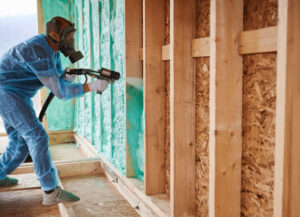
Spray foam insulation is made from two liquids that are mixed and then sprayed onto your walls. The resulting foam expands and hardens, creating a barrier preventing air from escaping.
Rigid Foam
Rigid foam insulation is made from various materials, including polystyrene, polyurethane, and phenolic resin. It’s available in sheets or boards that can be cut to fit your walls.
Which Insulation Should You Choose?
You read that fiberglass batts and blankets, cellulose, spray foam, and rigid foam boards are the most common types of insulation used in homes. But which one is the most efficient?
Fiberglass batts and blankets are the least expensive option and are typically used in attics and walls. Cellulose is made from recycled paper products and is often used in attics. Spray foam is applied wet and expands to fill any gaps or cracks. Rigid foam boards are often used in basements, crawl spaces, and exterior walls.
So, which one is the most efficient? The answer is spray foam. Spray foam has a higher R-value than any other type of insulation, meaning it is better at trapping heat inside your home. It also does not settle over time like fiberglass or cellulose, so it will continue to be effective for years to come.
Spray foam insulation is the most efficient type of insulation for your home. It has a higher R-value than any other type of insulation, meaning it is better at trapping heat inside your home. It also does not settle over time like fiberglass or cellulose, so it will continue to be effective for years to come.
For your information, Ottawa Insulation provides different types of insulation services that will be perfect for your home. If you have any questions, please don’t hesitate to contact us. We would be happy to help!
Is your home sufficiently insulated? If not, you could be costing yourself a lot of money in heating and cooling bills. In this blog post, we’ll take a look at the different types of insulation available and what is the most efficient form of insulation for your home.
What is Home Insulation?
For your information, home insulation is defined as any material used to reduce heat transfer between two objects. In other words, it helps keep your home warm in the winter and cool in the summer by trapping air and preventing it from escaping.
Types of Home Insulation
There are many different types of insulation, each with its benefits and drawbacks. The most common type of insulation is fiberglass, followed by cellulose, spray foam, and then rigid foam.
Fiberglass
Fiberglass is the most common type of insulation. It’s made from recycled glass and sand that’s been melted down and spun into fibers. These fibers are then woven together to create a mat, which is then used to insulate your home.
Cellulose
Cellulose insulation is made from recycled paper products, like newspapers and cardboard. The paper is shredded and then treated with chemicals to make it fire-resistant. It’s sometimes treated with pesticides to prevent pests from eating it.
Spray Foam
Spray foam insulation is made from two liquids that are mixed and then sprayed onto your walls. The resulting foam expands and hardens, creating a barrier preventing air from escaping.
Rigid Foam
Rigid foam insulation is made from various materials, including polystyrene, polyurethane, and phenolic resin. It’s available in sheets or boards that can be cut to fit your walls.
Which Insulation Should You Choose?
You read that fiberglass batts and blankets, cellulose, spray foam, and rigid foam boards are the most common types of insulation used in homes. But which one is the most efficient?
Fiberglass batts and blankets are the least expensive option and are typically used in attics and walls. Cellulose is made from recycled paper products and is often used in attics. Spray foam is applied wet and expands to fill any gaps or cracks. Rigid foam boards are often used in basements, crawl spaces, and exterior walls.
So, which one is the most efficient? The answer is spray foam. Spray foam has a higher R-value than any other type of insulation, meaning it is better at trapping heat inside your home. It also does not settle over time like fiberglass or cellulose, so it will continue to be effective for years to come.
Spray foam insulation is the most efficient type of insulation for your home. It has a higher R-value than any other type of insulation, meaning it is better at trapping heat inside your home. It also does not settle over time like fiberglass or cellulose, so it will continue to be effective for years to come.
For your information, Ottawa Insulation provides different types of insulation services that will be perfect for your home. If you have any questions, please don’t hesitate to contact us. We would be happy to help!
FAQ: Your Insulation Questions Answered
1. What does R-value mean, and why is it important?
R-value measures an insulation material’s ability to resist heat flow. The higher the R-value, the better it insulates. Spray foam, for example, offers R-values of 3.5 to 6.5 per inch, outperforming fiberglass (2.2 to 3.8 per inch) and cellulose (3.1 to 3.8 per inch), making it a top choice for energy efficiency.
2. How long does spray foam insulation last?
Spray foam insulation is highly durable and can last for decades—often the lifetime of your home—without losing effectiveness. Unlike fiberglass or cellulose, it doesn’t settle, sag, or degrade over time, ensuring consistent performance.
3. Is spray foam insulation safe for my home?
Yes, when installed correctly by professionals, spray foam is safe. It’s made from non-toxic materials once cured, but during application, proper ventilation is needed due to off-gassing. Hiring certified contractors, like those at Ottawa Insulation, ensures safety and quality.
4. Can I install insulation myself, or should I hire a professional?
While DIY kits exist, professional installation is recommended, especially for spray foam. It requires precise mixing and application to avoid issues like poor insulation or chemical exposure. Pros have the tools and expertise for a flawless job.
5. How much does spray foam insulation cost?
In 2025, spray foam costs between $1.50 and $3.50 per square foot, depending on type (open-cell or closed-cell), thickness, and labor rates. Though pricier upfront than fiberglass, its energy savings often make it cost-effective long-term.
6. What’s the difference between open-cell and closed-cell spray foam?
Open-cell foam is softer, less dense, and great for soundproofing with an R-value of about 3.5 per inch. Closed-cell foam is denser, moisture-resistant, and offers a higher R-value (around 6.5 per inch), plus structural support.
7. Will insulation help with noise reduction?
Yes, especially open-cell spray foam, which excels at dampening sound. It’s ideal for interior walls or noisy areas. Closed-cell foam also reduces noise but is better suited for thermal and moisture control.
8. How does insulation affect my energy bills?
Proper insulation, like spray foam, can cut heating and cooling costs by 30-50% by sealing air leaks and maintaining indoor temperatures. This reduces reliance on HVAC systems, saving you money year-round.
9. Is spray foam environmentally friendly?
Yes, it lowers energy use, reducing your carbon footprint. Many manufacturers now offer eco-friendly options with bio-based or recycled materials, making it a sustainable choice.
10. Where should I insulate in my home?
Focus on high-heat-loss areas: attics, exterior walls, basements, and crawl spaces. Spray foam’s ability to fill gaps makes it perfect for these spots. Contact Ottawa Insulation for a free estimate to identify your home’s needs!
Have more questions? Reach out to Ottawa Insulation—we’re here to help!


