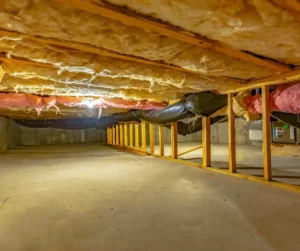
Crawl spaces are a fundamental, yet often neglected, component of a home’s foundation. They provide access to critical systems like plumbing and electrical wiring, ensuring the home runs smoothly. However, these hidden areas are frequently overlooked when it comes to insulation, despite their substantial impact on energy efficiency, indoor comfort, and overall home health.
If you’re a homeowner in Ottawa, where the winters can be harsh and energy costs significant, properly insulating your crawl space can make all the difference. Why does crawl space insulation matter, and how can you effectively insulate this space? Let’s dive deeper into its importance and explore five practical tips.
The Importance of Insulating Crawl Spaces
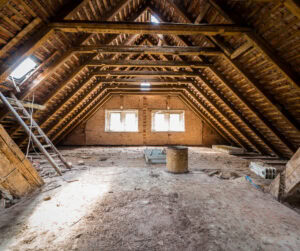
Crawl spaces are located between the ground and the first floor of your home. Due to their position, they are susceptible to fluctuating temperatures, high humidity, and moisture buildup. These vulnerabilities can lead to several issues if not addressed, including mold growth, pest infestations, and significant heat loss, which impacts energy efficiency.
In Ottawa, homes lose up to 25% of their heat through poorly insulated or unsealed spaces, including crawl spaces. By insulating this area, you can significantly improve your home’s energy efficiency, lower heating costs, and enhance indoor air quality. Proper insulation in crawl spaces acts as a barrier, reducing moisture infiltration and preventing harmful allergens, dust, and mold spores from circulating into your living areas.
How Does Crawl Space Insulation Affect Your Energy Bills?
When was the last time you noticed a drafty floor or high energy bills during Ottawa’s frigid winter months? Crawl spaces may be the culprit. Without insulation, they allow cold air to seep into your home, forcing your HVAC system to work harder to maintain a comfortable indoor temperature. This unnecessary strain not only spikes your utility bills but also reduces the lifespan of your heating equipment.
Conversely, a well-insulated crawl space creates a buffer zone that minimizes heat transfer and maintains a stable indoor climate. Homeowners can expect to save up to 15% annually on heating costs simply by addressing this overlooked area.
The Health Implications of Insulating Crawl Spaces
Beyond energy efficiency, crawl space insulation contributes to a healthier living environment. Moisture and humidity in uninsulated crawl spaces can lead to the growth of mold and mildew, which release spores into the air you breathe. This can aggravate allergies, asthma, and other respiratory conditions, especially in children and seniors.
By insulating your crawl space, you reduce the risk of mold growth, eliminate conditions that attract pests, and improve overall indoor air quality. In a city like Ottawa, where seasonal moisture levels can fluctuate dramatically, this investment in your home’s health is particularly valuable.
 5 Practical Tips for Insulating Crawl Spaces
If you’re ready to tackle your crawl space insulation project, here are five tips to guide you toward success:
1. Seal Air Leaks first
Before you install any insulation, it’s crucial to address air leaks. Gaps, cracks, and holes in your crawl space walls, ceiling, or floor allow air to enter and exit freely, undermining the effectiveness of insulation. Using caulk, spray foam, or weatherstripping, seal these openings to create a tight barrier.
In Ottawa’s climate, where extreme temperature swings are common, sealing air leaks can provide immediate benefits by preventing cold drafts in winter and humid air infiltration in summer.
2. Select the Right Insulation Material
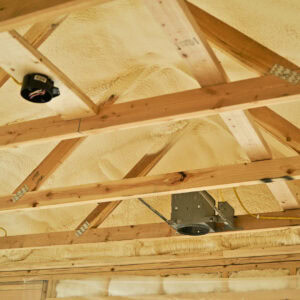
Not all insulation materials are suitable for crawl spaces. Since these areas are prone to moisture, you’ll need materials that resist water, mold, and pests. Closed-cell spray foam insulation is an excellent option because it expands to fill gaps and provides both an air and moisture barrier.
Fiberglass batts can also be used, but they must be properly installed with a vapor barrier to prevent moisture absorption. Rigid foam boards are another durable and effective choice for insulating crawl space walls.
3. Insulate Both Walls and Floors
A common mistake homeowners make is focusing on just one part of the crawl space. To achieve maximum energy efficiency, you need to insulate both the walls and the floor. Insulating the walls prevents heat loss to the surrounding environment, while insulating the floor stops cold air from seeping into your living areas.
Consider using a combination of materials, such as rigid foam boards for the walls and spray foam for the floors, to create a comprehensive insulation system.
4. Install a Vapor Barrier
Moisture is one of the biggest challenges in crawl spaces, particularly in areas like Ottawa where humidity can vary greatly. A vapor barrier is a plastic sheet that covers the crawl space floor and walls, preventing moisture from entering.
Choose a high-quality vapor barrier that is tear-resistant and durable. This addition not only protects your insulation from dampness but also helps maintain a drier, healthier crawl space.
5. Consider Hiring a Professional
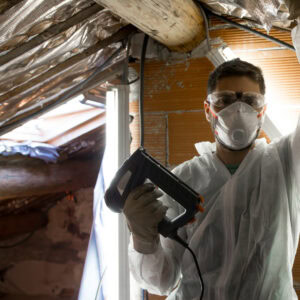
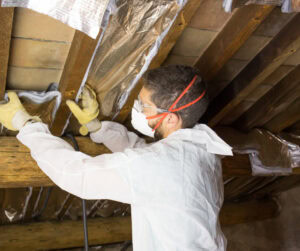
While DIY projects can be satisfying, insulating a crawl space is a complex task that often requires professional expertise. A qualified insulation contractor will assess your crawl space, recommend the best materials for Ottawa’s climate, and ensure proper installation.
Hiring a professional can save you time, money, and the frustration of dealing with common DIY pitfalls, such as improper sealing or choosing the wrong insulation material. At [Your Company Name], we offer free consultations to help Ottawa homeowners create energy-efficient solutions tailored to their needs.
Questions to Consider Before Insulating Your Crawl Space
Before starting your project, ask yourself:
- Is there existing moisture or mold in the crawl space that needs to be addressed first?
- Are there air leaks or cracks that should be sealed?
- Which insulation material best suits Ottawa’s climate and your specific needs?
- Should I hire a professional to ensure the job is done correctly?
Addressing these questions upfront will set the foundation for a successful crawl space insulation project.
Trusted Resources and Industry Insights
For more information on crawl space insulation, visit trusted industry websites like Natural Resources Canada or Energy Star, which provide valuable insights on improving home energy efficiency. Additionally, the Canadian Home Builders’ Association offers advice on maintaining healthy indoor environments, which align with the benefits of crawl space insulation.
Take the First Step Toward a More Comfortable Home
Don’t let your crawl space go unnoticed. Insulating this critical area can lead to significant energy savings, improved indoor air quality, and a healthier living environment. Whether you choose to DIY or hire a professional, investing in crawl space insulation is an investment in the comfort and efficiency of your home.
Ready to get started? Contact us today for a free insulation consultation tailored to Ottawa homeowners. Let’s create a warmer, healthier, and more energy-efficient space together.