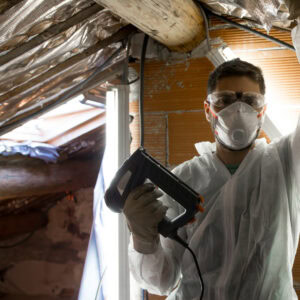
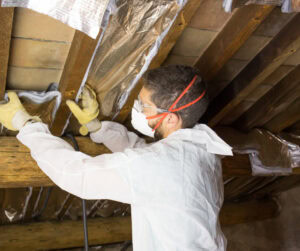
Your attic plays a critical role in your home’s comfort and energy efficiency, particularly in Ottawa’s seasonal climate with cold winters and warm summers. Heat naturally rises, and without proper insulation, a significant portion of your home’s energy escapes through the attic. This can lead to higher heating bills, uncomfortable indoor temperatures, and potential moisture issues such as ice dams and mold. Proper attic insulation helps keep your home warmer in winter, cooler in summer, reduces energy costs, and protects your home’s structure and indoor air quality.
How to Know If You Need More Insulation
Identifying whether your attic needs additional insulation is straightforward. Look for these signs:
What is Attic Insulation?
Attic insulation is material installed between the attic floor and the living space below. Its primary purpose is to slow the transfer of heat between the attic and your home. In winter, insulation helps retain warm air inside; in summer, it helps block heat from entering the living space. In addition to temperature control, insulation protects your home from moisture-related issues. Air leaks can carry water vapor into the attic, where it can condense and cause frost, mold, or wood rot. Air sealing prior to installation ensures insulation performs effectively and prevents structural or indoor air quality problems.Types of Attic Insulation
Choosing the right insulation depends on your budget, attic layout, and performance requirements. The most common types in Ottawa homes are fiberglass, cellulose, and spray foam.Fiberglass Insulation
Fiberglass is affordable and widely available, coming in two primary forms:- Loose-fill: Blown into the attic using specialized equipment, loose-fill fiberglass fills gaps and irregular spaces effectively.
- Batts or Rolls: Sheets of compressed fiberglass placed between joists. While easier for DIY installation, batts may leave small gaps if not fitted carefully.
Cellulose Insulation
Cellulose insulation is made from recycled paper products and treated to resist fire, mold, and pests. Installed as loose-fill, it fills irregular spaces completely and provides slightly higher thermal resistance than loose-fill fiberglass. It’s an environmentally friendly option suitable for Ottawa homes.Spray Foam Insulation
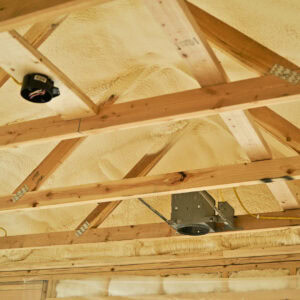
Spray foam insulation provides the highest R-value per inch and seals air gaps. Closed-cell spray foam has an R-value of about R‑6 per inch, ideal for areas where air sealing and moisture control are critical. While more expensive upfront, spray foam offers superior insulation performance, air sealing, and long-term durability.Recommended R-Values for Ottawa Attics
R-value measures insulation’s resistance to heat flow. For Ottawa attics, the recommended R-value ranges between R‑50 and R‑60. New construction generally requires R‑60, while older homes should aim for at least R‑50 to achieve effective energy efficiency. Meeting these R-values helps retain heat in winter, block unwanted heat in summer, and reduce energy consumptionHow to Know If You Need More Insulation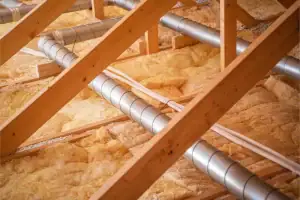
Identifying whether your attic needs additional insulation is straightforward. Look for these signs:
- High heating or cooling bills compared with similar homes.
- Uneven temperatures or drafts in different rooms.
- Ice dams forming on the roof during winter.
- Insulation that is compressed, wet, moldy, or less than 10 inches thick.
- Homes built before 2000 that may have minimal attic insulation.
Benefits of Upgrading Your Attic Insulation
Lower Energy Costs
Proper insulation reduces heat loss in winter and heat gain in summer. Well-installed insulation and air sealing can significantly lower energy bills.Improved Comfort
Insulation stabilizes indoor temperatures, eliminates drafts, and ensures a comfortable living environment year-round.Moisture Protection
Sealing and insulating the attic prevents condensation and mold growth, safeguarding your home’s structure and indoor air quality.Noise Reduction
Insulation helps block outside noise and reduces sound transmission between floors.Rebate Opportunities
Ottawa homeowners may qualify for provincial or utility rebates for insulation and energy-efficient upgrades. Programs vary depending on location, utility provider, and type of work, so it’s worth checking local resources before beginning a project.DIY vs Professional Installation
DIY installation is possible for loose-fill fiberglass or cellulose, but improper installation can reduce effectiveness and create moisture issues. Professional installation in Ottawa ensures:- Correct insulation depth and full coverage.
- Proper air sealing around vents, chimneys, and rim joists.
- Compliance with Ontario building codes.
- Eligibility for energy-efficiency rebates.
- Proper attic ventilation to prevent long-term moisture problems.