Proper attic insulation is essential for maintaining a comfortable and energy-efficient home, especially in Ottawa’s diverse climate. This guide provides updated insights and practical tips to help you optimize your attic insulation, reduce energy costs, and enhance indoor comfort.
Understanding R-Value and Its Importance
The effectiveness of insulation is measured by its R-value, which indicates the material’s resistance to heat flow. Higher R-values signify better insulating properties. In Ottawa, it’s recommended that attics have insulation with an R-value between R-50 and R-60 to combat cold winters and hot summers effectively. This typically translates to about 16 to 20 inches of insulation material.
 Common Types of Attic Insulation
Selecting the right insulation material is crucial. Here are some common types suitable for attics:
1. Fiberglass Batts
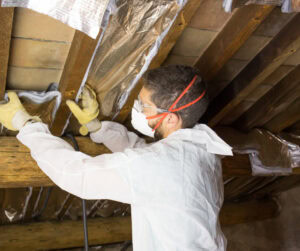
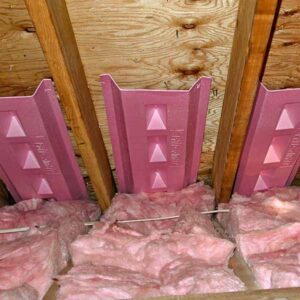
Fiberglass batts are pre-cut panels that fit between attic joists. They’re relatively affordable and easy to install, making them a popular choice for DIY enthusiasts. However, proper installation is vital to prevent gaps that can reduce efficiency.
2. Blown-In Cellulose
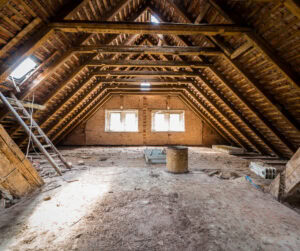
Made from recycled paper treated for fire resistance, blown-in insulation is ideal for filling gaps and irregular spaces. It provides excellent coverage and is particularly effective in older homes with unconventional attic layouts.
3. Spray Foam Insulation
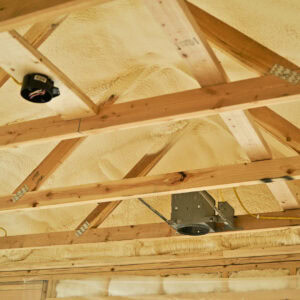
Spray foam expands upon application, sealing air leaks and providing a high R-value per inch. It’s excellent for hard-to-reach areas but is typically more expensive and requires professional installation.
Preparing Your Attic for Insulation
Before adding or upgrading insulation, proper preparation ensures maximum effectiveness.
1. Seal Air Leaks
Air leaks can significantly reduce insulation performance. Common leak areas include gaps around pipes, chimneys, and recessed lighting. Use caulk or expanding foam to seal these openings.
2. Ensure Proper Ventilation
Adequate ventilation prevents moisture buildup, which can compromise insulation and lead to mold growth. Ensure soffit vents are unobstructed and consider installing ridge vents if necessary.
3. Address Existing Insulation Issues
Remove any damaged or moldy insulation before adding new material. This prevents underlying problems from affecting the new insulation’s performance.
 Benefits of Upgrading Attic Insulation
 Benefits of Upgrading Attic Insulation
Investing in quality attic insulation offers several advantages:
1. Energy Cost Savings
Proper insulation reduces the workload on heating and cooling systems, leading to lower energy bills. Homeowners can save up to 20% on heating and cooling costs with adequate insulation.
2. Enhanced Indoor Comfort
Consistent insulation helps maintain uniform indoor temperatures, eliminating drafts and cold spots. This results in a more comfortable living environment year-round.
3. Environmental Impact
Reducing energy consumption decreases your home’s carbon footprint, contributing to environmental conservation efforts.
Professional Installation vs. DIY
While some homeowners may consider installing insulation themselves, there are benefits to hiring professionals:
- Expertise: Professionals can assess your attic’s specific needs and recommend the most effective insulation type and installation method.
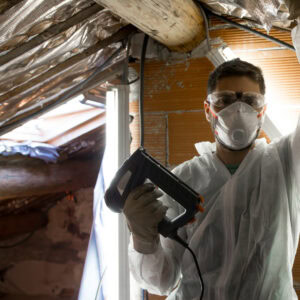
- Safety: Handling insulation materials, especially fiberglass or spray foam, requires proper protective equipment and knowledge.
- Efficiency: Professional installation ensures that insulation is applied correctly, maximizing its effectiveness and longevity.
For expert attic insulation services in Ottawa, consider Ottawa Insulation. Their team provides comprehensive solutions tailored to your home’s unique requirements.
Maintaining Your Attic Insulation
Regular maintenance ensures your insulation continues to perform optimally:
- Inspect for Damage: Periodically check for signs of moisture, mold, or pest infestations, and address any issues promptly.
- Ensure Ventilation: Keep vents clear to prevent moisture buildup, which can degrade insulation materials.
- Avoid Compression: Do not store items directly on insulation, as this can compress the material and reduce its effectiveness.
Conclusion
Optimizing your attic insulation is a worthwhile investment that enhances comfort, reduces energy costs, and contributes to a more sustainable home. By understanding the types of insulation available, preparing your attic appropriately, and considering professional installation, you can ensure your attic serves as an effective barrier against Ottawa’s varying temperatures.
For more information on attic insulation services, visit Ottawa Insulation. Our experienced team is ready to assist you in making your home more energy-efficient and comfortable.